 Sudden Valley Siding
 Living on Lake Whatcom Means Building for the Weather You Actually Get
Homes around Lake Whatcom and Sudden Valley sit in one of the more demanding microclimates in Whatcom County. The lake itself adds humidity that lingers under the tree canopy long after a storm has passed. Add in the marine-influenced weather that moves inland off the Salish Sea — driving rain, salt-tinged air, and long gray stretches with barely enough sun to dry things out — and you get an exterior environment that punishes anything not built to shed water and resist rot. We've worked on enough homes in this area to know that "it looked fine when it was installed" doesn't mean much five or ten years later if the materials and the installation weren't matched to this specific climate.
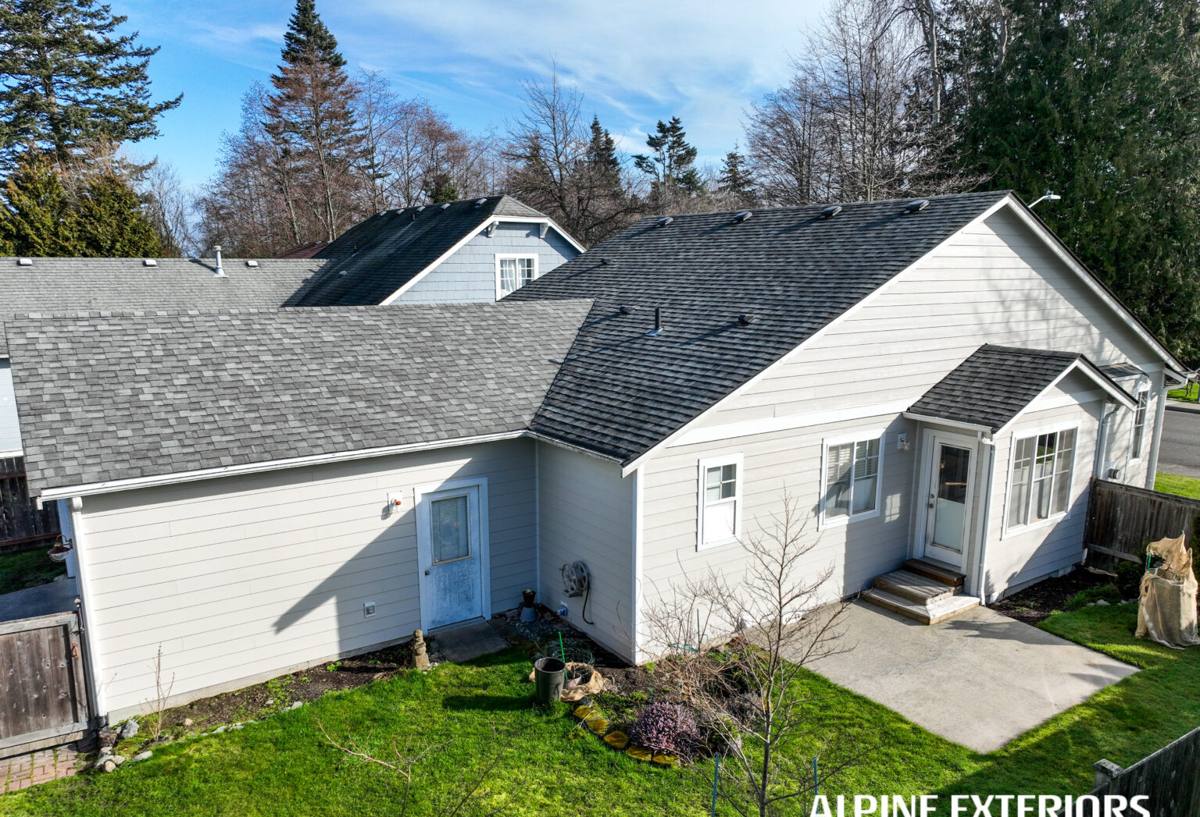
What Lake Whatcom Homes Are Up Against
Moisture That Doesn't Go Away
Whatcom County gets a lot of rain overall, but lakeside and heavily wooded lots around Sudden Valley trap moisture differently than an open lot in town. Morning fog off the water, dew that sits late into the day, and shaded north- and east-facing walls all mean exterior materials here are wet more often and for longer than the county average. Wood-based sidings, and even some engineered wood products, are more vulnerable in this kind of persistent-damp environment than they are in drier parts of the state.
Moss, Algae, and a Long Growing Season
Where there's shade and moisture, there's moss — and Lake Whatcom's tree cover gives it plenty of both. Moss and algae growth on siding and roofing isn't just cosmetic. It holds water against the surface, and on materials that aren't moisture-stable, that constant contact accelerates deterioration at seams, fastener points, and butt joints. A long moss season here means exterior surfaces need to tolerate repeated wet-dry cycling without swelling, delaminating, or losing paint adhesion.
Marine Air and Salt Exposure
Sudden Valley isn't waterfront on the Salish Sea, but Whatcom County as a whole sits close enough to salt water that marine air reaches well inland, especially with the prevailing weather patterns that push moisture and salt-bearing air up the county. Over years, that exposure contributes to corrosion on fasteners and hardware and adds another reason to choose finishes and materials that hold up to more than just fresh rainwater.
Why the Siding Material You Choose Changes Everything
Not all siding handles this combination of rain, shade, and moss the same way. We get asked a lot why we don't offer certain popular products, so here's the honest breakdown of how the main options perform under Lake Whatcom conditions.
| Material | How It Handles Lake Whatcom's Climate |
|---|---|
| Vinyl siding | Sheds rain reasonably well but can warp in temperature swings and doesn't stop moss and algae from taking hold in shaded, damp areas; seams are a weak point over time. |
| Engineered wood (LP SmartSide and similar) | Improved over old wood siding, but still wood-based — edges and cut ends need diligent sealing and maintenance, and prolonged damp shade is exactly the condition that stresses these products most. |
| Cedar or primed spruce | Classic look, but natural wood in a high-moisture, low-sun environment demands frequent refinishing to avoid rot, cupping, and moss staining. |
| Fiber cement (James Hardie) | Doesn't swell, rot, or feed moss the way wood-based products can; factory-cured finish holds color and resists the wet-dry cycling typical of shaded lakeside lots. |
This is exactly why we standardized on James Hardie fiber cement siding and don't install vinyl, LP SmartSide, Cemplank, Allura, primed spruce, or cedar. Each of those products has legitimate uses elsewhere, but for the conditions we see around Lake Whatcom, we've decided the trade-offs aren't worth it on the homes we put our name behind.
Why We Install Only James Hardie Fiber Cement
James Hardie fiber cement is a cement-and-cellulose composite, not a wood product, which means it isn't a food source for moss and algae and doesn't absorb water the way wood-based sidings do. For a climate like this one, that matters more than almost any other spec.
- Non-combustible construction — fiber cement doesn't contribute fuel to a fire the way wood-based siding can.
- ColorPlus factory finish — baked-on color that resists fading and chipping better than field-applied paint, which matters when repainting a shaded, hard-to-reach wall isn't something you want to do every few years.
- Climate-engineered HZ product lines — Hardie's HZ5 formulation is built for the Pacific Northwest's wet, moderate climate specifically, rather than a one-size-fits-all product.
- Strong transferable warranty — backed by a manufacturer warranty that can transfer to a new owner, which matters for resale in a community like Sudden Valley where many buyers are moving from out of the area and want documented, low-maintenance exteriors.
- Proven longevity when installed to spec — the material's performance depends heavily on correct installation: proper clearances, fastening, and flashing details that respect this area's moisture load.
We're upfront that fiber cement isn't the cheapest option on day one. What it saves you is the recurring cost and hassle of repainting, patching rot, and replacing panels that couldn't handle years of shade and damp — costs that show up repeatedly with wood-based products in this exact climate.
Beyond Siding: Roofing, Windows, and Decks for This Climate
Siding is only part of a home's defense against Lake Whatcom weather. We handle the full exterior envelope because these systems work together — a roof that's shedding moisture into a wall system, or windows that aren't flashed correctly against driving rain, can undermine even well-installed siding.
Roofing
Roofs here deal with the same moss pressure as siding, plus the added weight and wear of prolonged wet debris from overhanging trees common on wooded Sudden Valley lots. We install and repair roofing systems with attention to proper ventilation and moisture management, which reduces moss growth and extends roof life.
Windows
Driving rain finds every gap in poor window flashing. We pay close attention to flashing and integration with the siding system so water is directed out and away from the wall assembly, not trapped behind it.
Decks
Outdoor living is a big part of why people choose to live on Lake Whatcom, and decks here take a beating from shade, moisture, and moss just like siding does. We build and repair decks with materials and detailing suited to standing up to that same wet-shade cycle.
Why a Local Crew Makes a Real Difference
A contractor who works across Whatcom County regularly, rather than one who occasionally drives out for a single job, knows how Sudden Valley's terrain, tree cover, and lakeside microclimate differ from a job in downtown Bellingham or out toward Ferndale. That local knowledge shows up in small but important decisions — how much overhang clearance to leave, where moss pressure will be worst on a given lot, and how to sequence work around the area's weather windows so materials aren't installed wet or during a stretch of driving rain.
Local also means accountability. If a warranty question or a maintenance question comes up five years down the road, you're dealing with a crew that's still working in the same community, not one that's moved on.
What to Expect From the Process
- A no-pressure walk-around of your home to assess current siding, roofing, window, and deck condition.
- An honest conversation about what's actually needed versus what can wait.
- A written estimate with clear scope — no vague allowances.
- Scheduling that accounts for weather windows, since fiber cement and roofing work both go better in dry conditions.
- A final walkthrough so you know exactly what was done and how to maintain it.
Simple Maintenance for a Lake Whatcom Exterior
- Rinse siding and decking surfaces periodically to discourage moss and algae buildup, especially on shaded, north-facing walls.
- Keep gutters clear so water isn't overflowing onto siding or pooling near the foundation.
- Trim back tree limbs and brush that keep walls in constant shade and slow drying time.
- Inspect caulking and flashing around windows and doors annually, since sealant is a wear item even on a well-installed system.
- Address any small moss patches on roofing early, before they hold enough moisture to affect the roof deck underneath.
What Exterior Work Typically Costs to Consider
| Factor | Why It Affects Your Project |
|---|---|
| Home size and wall complexity | More corners, dormers, and trim details mean more labor and material. |
| Existing siding removal | Tear-off and disposal of old material adds time versus a straightforward re-side. |
| Access and lot terrain | Sloped, wooded Sudden Valley lots can affect staging, scaffolding, and material delivery. |
| Scope bundling | Combining siding with roofing, window, or deck work can reduce overall disruption and sometimes overall cost versus separate projects. |
| Material selection | James Hardie fiber cement typically costs more upfront than vinyl but less over time due to lower maintenance and repainting needs. |
If you're weighing your options for a home around Lake Whatcom or Sudden Valley — whether it's siding showing its age, a roof that's holding onto moss, or windows that let in more draft than they should — we're happy to take a look and give you a straightforward, no-pressure estimate. Use the form below to get started.