 Sudden Valley Siding
 Siding Replacement Built for Lake Whatcom's Climate
Homes around Lake Whatcom sit in a specific microclimate that's harder on exterior siding than most homeowners realize. You've got moisture coming from two directions — the lake itself, which keeps humidity and morning dew heavier than in drier parts of Whatcom County, and the marine air that rolls in off the Salish Sea. Add in a moss season that can stretch from fall through spring on shaded, tree-covered lots, and you have a recipe for siding that fails early if it wasn't right for the job in the first place. This page covers what a proper siding replacement looks like for a home in the Lake Whatcom / Sudden Valley area — not siding replacement in general, but the version of it that actually holds up here.
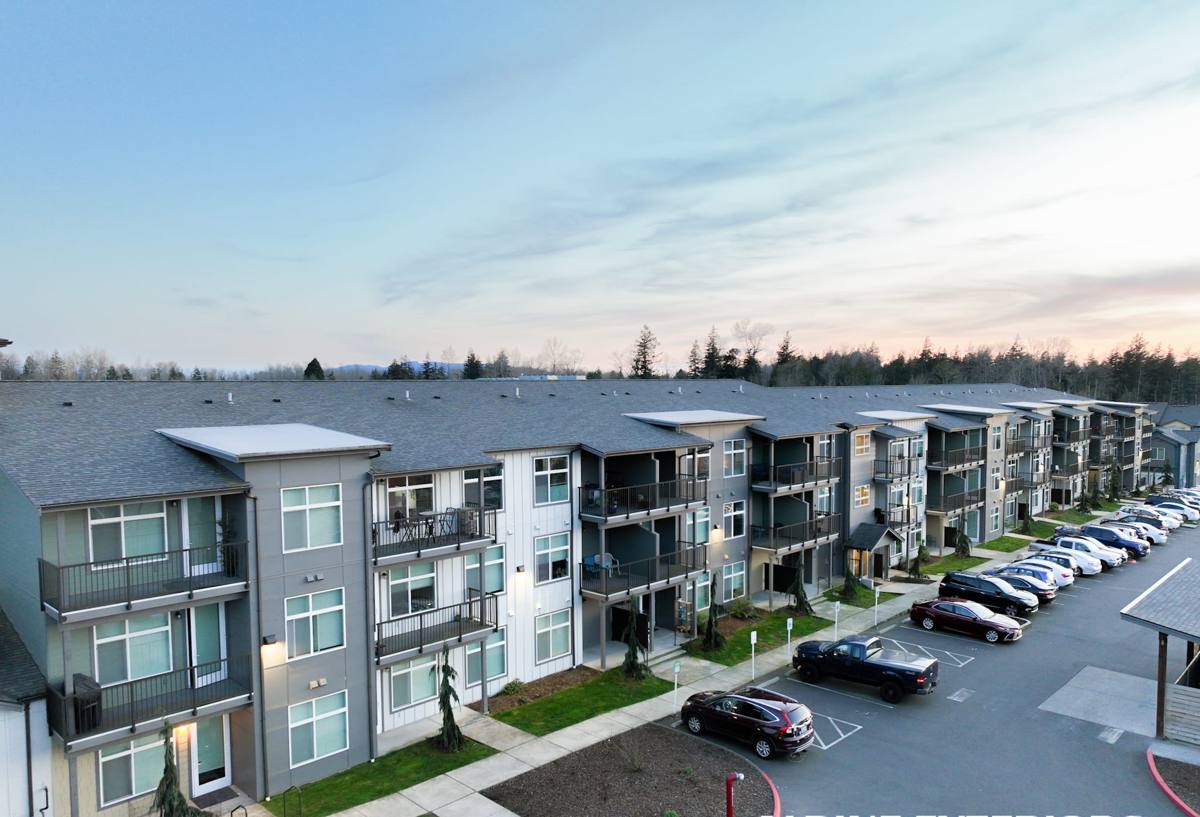
Why This Location Is Tougher on Siding Than It Looks
Lake Whatcom properties tend to share a few traits that affect siding performance: mature tree cover, north- or lake-facing elevations that stay shaded and damp longer during the day, and steep or wooded lots where airflow around the house is limited. All three of those slow down drying time after rain, and slow drying time is the single biggest factor in how long any siding material actually lasts.
Salt Air and Driving Rain
Even though Lake Whatcom is freshwater, the broader region's marine-influenced weather still brings the same driving, wind-pushed rain typical of Western Washington. That kind of rain doesn't just fall straight down — it gets forced sideways into laps, corners, and trim joints. Siding that isn't installed with correct overlaps, flashing, and clearances will take on water at exactly those points, regardless of what the material is made of.
The Long Moss Season
Shaded, tree-lined lots around the lake hold moisture longer, and moss and algae take hold on any surface that stays damp. On siding, that means constant organic growth pressure — moss doesn't just look bad, it holds water against the surface and, on materials that aren't dimensionally stable, contributes to swelling, cupping, and paint failure over time.
What a Correct Siding Replacement Involves
Replacing siding on a home in this environment is not a cosmetic swap. It's an opportunity to fix whatever's been letting moisture in and to install a system that's actually engineered for this kind of exposure. A correct job includes:
- Full removal of the old siding down to the sheathing, so hidden rot, soft spots, or prior water damage get found before they're covered up again
- Inspection and repair of sheathing and framing where moisture has already done damage
- A correctly installed water-resistive barrier (house wrap) with proper shingle-lap sequencing so water sheds down and out, not in
- Correct flashing at every window, door, deck ledger, and roof-to-wall intersection — the majority of siding failures start at these transitions, not the flat field of the wall
- Proper starter strips, panel gaps, and fastener placement per the manufacturer's installation manual, not "how the old siding was hung"
- Rain-screen or drainage gap detailing where the site conditions call for it, especially on shaded or lake-facing walls
- Factory-finished siding and trim installed with the correct caulking and touch-up procedure, not field-painted after the fact
Skipping any one of these steps is how a siding job looks fine for two or three years and then starts failing at the seams — which is a common story on older homes around the lake that were sided decades ago with materials and methods that weren't built for this level of moisture exposure.
Why We Install Only James Hardie Fiber Cement
We standardized on James Hardie fiber cement siding for every home we side, including homes around Lake Whatcom, and we don't install vinyl, LP SmartSide, cedar, primed spruce, Cemplank, or Allura. That's not a marketing position — it's a decision based on what actually holds up in this specific climate over decades, not just years.
Non-Combustible and Dimensionally Stable
Fiber cement doesn't expand and contract with moisture the way wood-based or wood-fiber products do, and it won't rot, delaminate, or attract wood-boring insects. In an environment with this much sustained dampness and shade, that dimensional stability is the difference between siding that stays flat and tight at the seams for 30+ years and siding that starts cupping or swelling within a decade.
ColorPlus Factory Finish
James Hardie's ColorPlus finish is baked on in a factory-controlled process, not brushed or sprayed on-site. That matters directly for moss and algae exposure — a consistent, factory-cured finish resists staining and holds color better under constant damp, shaded conditions than field-applied paint, and it comes backed by its own finish warranty separate from the substrate warranty.
Climate-Engineered HZ Product Lines
Hardie manufactures its siding in climate-specific formulations — HZ5 for the type of freeze-thaw and moisture cycling found in the Pacific Northwest. That's an engineering response to exactly the conditions Lake Whatcom homes deal with, not a one-size-fits-all product.
What We Turn Down, and Why
Vinyl siding is inexpensive and low-maintenance in mild climates, but it can warp under some conditions and its seams and J-channels give water an easier path in on a wall that stays wet as long as a shaded lake-facing wall does. Cedar and primed spruce look great new but demand a repainting and caulking maintenance schedule that most homeowners underestimate, and in a moss-heavy environment that maintenance burden only grows. LP SmartSide, Cemplank, and Allura are reasonable products in their own right, but we've standardized our crews, our warranty backing, and our installation training on one system so we can guarantee the work — and for the moisture load this area sees, fiber cement is the material we're willing to put our name behind.
Comparing Siding Options for a Lake-Adjacent Home
| Factor | Vinyl | Cedar / Primed Spruce | James Hardie Fiber Cement |
|---|---|---|---|
| Moisture resistance | Moderate — seams are vulnerable | Low — absorbs moisture, needs sealing | High — engineered for wet climates |
| Moss/algae staining | Visible over time, hard to clean without damage | Absorbs stains, needs recoating | Factory finish resists staining longer |
| Maintenance | Low, but limited repair options | High — repaint/reseal every few years | Low — factory finish, occasional wash |
| Fire resistance | Melts/deforms under heat | Combustible | Non-combustible |
| Typical lifespan when installed correctly | 20-30 years | 15-25 years with upkeep | 30-50 years |
Our Process for Lake Whatcom Siding Replacement Projects
1. On-Site Assessment
We walk the exterior with you, looking specifically at the walls that take the most exposure — shaded, lake-facing, and tree-covered elevations tend to show the earliest wear. We check for soft sheathing, existing moss buildup, and where water is currently getting past the old siding.
2. Scope and Estimate
You get a clear, written scope: what's being removed, what sheathing repair is anticipated versus contingent, which Hardie product line and profile fits the home, and a realistic cost range broken down by category.
3. Tear-Off and Sheathing Repair
Old siding comes off in full. Any rot or soft sheathing found underneath is repaired before anything new goes back on — this step is where hidden problems get caught, and it's the reason a proper replacement outperforms a re-side-over-existing job every time.
4. Weather Barrier and Flashing
House wrap goes on with correct lap sequencing, and every penetration and transition — windows, doors, roof lines, deck ledgers — gets flashed properly before siding installation starts.
5. Hardie Installation to Manufacturer Spec
Panels, lap siding, or shingle-style Hardie products go on with correct fastening, clearances, and joint treatment per the manufacturer's installation manual. This is where a lot of lower-bid jobs cut corners — spec compliance is what keeps the warranty valid and the wall performing.
6. Final Walkthrough
We walk the finished exterior with you, check caulking and trim details, and go over care and warranty information specific to your product line and color.
Questions to Ask Before Hiring a Siding Crew Near the Lake
- Do you have documented experience on lake-adjacent or heavily shaded, tree-covered properties in this area?
- Will you remove the old siding fully, or is this a re-side-over-existing bid?
- What happens if you find rotted sheathing — is repair included, or is it a change order, and how is that priced?
- Are you a certified James Hardie installer, and what does that certification cover?
- What warranty applies to the labor versus the manufacturer's product warranty, and is it transferable if you sell the home?
- How do you handle flashing at deck ledgers, windows, and roof-to-wall intersections specifically?
A crew that already works this specific area — Sudden Valley, the lake shoreline, and the surrounding shaded, wooded lots — will have answers ready for all of these without hesitating, because they've run into the same conditions on the last job.
Why Local Experience Around the Lake Matters
Siding installation isn't identical from one property to the next, even within the same county. A crew that mostly works open, sun-exposed lots in town won't automatically think about drainage gaps and drying time the way a crew does when it's spent time on shaded, lake-facing walls that stay damp for days after a storm. Knowing which elevations on a Lake Whatcom property need extra attention to flashing and drainage detailing — before the tear-off even starts — comes from having done the work here before, not from a generic installation checklist.
Cost Factors for a Lake Whatcom Siding Replacement
Every project is different, but a few factors consistently move the cost of a siding replacement in this area up or down:
| Factor | Effect on Cost |
|---|---|
| Extent of hidden sheathing/rot repair | Increases cost; often the largest variable, especially on older homes with prior water intrusion |
| House size and wall complexity (gables, dormers, multiple elevations) | More cutting, flashing, and detail work increases labor |
| Access and lot conditions (steep, wooded, limited staging area) | Common around the lake; can add setup and material-handling time |
| Hardie product line and profile chosen | Panel vs. lap vs. shingle-style and color selection affect material cost |
| Trim and accessory scope (fascia, soffit, corner boards) | Full exterior packages cost more than siding alone but reduce future mismatched repairs |
We give you a real, itemized number after the on-site assessment rather than a rough phone quote — sight-unseen estimates are where surprises later come from.
Get a Straight Answer for Your Home
If your siding is showing moss staining that won't wash off, soft spots near the bottom courses, or seams that have opened up after another wet Whatcom County winter, it's worth having someone look at it before it turns into a sheathing problem. We'll walk your property, tell you honestly what we see, and put together a clear estimate for a James Hardie siding replacement built for the conditions your home actually faces on Lake Whatcom. There's no pressure and no obligation — just fill out the form below to get started.