 Sudden Valley Siding
 Why a Generic Cost-Per-Square-Foot Number Won't Tell You Much
Search for siding replacement costs and you'll find a lot of national averages that mean almost nothing once you're standing in front of an actual house in Sudden Valley. Those numbers get built from national labor rates, national material pricing, and a "typical" home that may have nothing in common with a two-story place tucked into a wooded lot above Lake Whatcom. The real number for your project depends on a handful of specific factors, and understanding them is more useful than any ballpark figure we could put on this page.
We'd rather walk a homeowner through what actually moves the price up or down than quote a number that sounds reassuring and turns out to be wrong. This page covers the real drivers so you can ask better questions of any contractor you talk to, including us.
The Factors That Actually Set Your Price
Home Size and Complexity
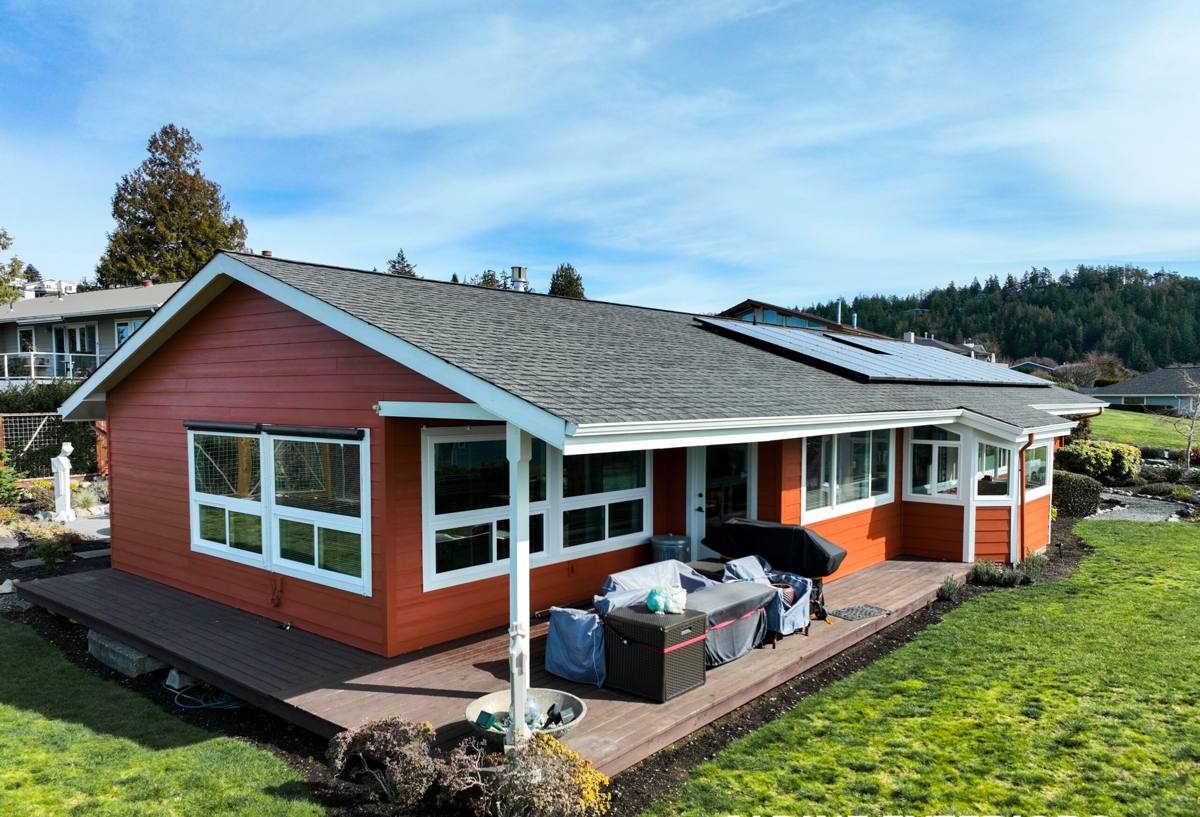
Square footage matters, but shape matters more. A simple rectangular ranch with a couple of windows is a straightforward install. A home with multiple gables, dormers, bump-outs, and varied roof pitches takes more cuts, more flashing detail, and more labor hours per square foot of coverage. Whatcom County has a lot of homes built into sloped, wooded lots, and Sudden Valley in particular has plenty of multi-level homes with decks, covered porches, and complex rooflines that add trim work most estimates don't account for until someone actually looks at the house.
What's Underneath the Old Siding
This is the factor that surprises homeowners most. You don't really know what condition the sheathing, framing, and weather barrier are in until the old siding comes off. Years of moisture intrusion behind failed caulk joints, poorly flashed windows, or simple age can leave rot in places you'd never guess from the outside. Repairing or replacing damaged sheathing and framing before new siding goes on isn't optional — it's the difference between a job that lasts decades and one that fails again in five years.
Product Choice
Vinyl, wood, engineered wood, and fiber cement all carry different material costs, different labor requirements, and different long-term maintenance bills. We'll get into why we install exclusively James Hardie fiber cement further down, but it's worth saying up front: the cheapest material to buy is rarely the cheapest siding over a 20- or 30-year window once you factor in repainting, caulking, and repair.
Access and Site Conditions
Steep driveways, wooded lots with limited staging area, homes set back from the road, and multi-story sections that need extra scaffolding all add labor time. A lot of Sudden Valley properties sit on grades or backed up against trees, which changes how a crew stages material and sets up safe access compared to a flat in-town lot.
Cost Factors at a Glance
| Factor | Why It Moves the Price |
|---|---|
| Home shape and roofline | More corners, gables, and trim details mean more cutting and labor hours |
| Condition of sheathing/framing | Hidden rot repair is often the single biggest surprise cost on a tear-off |
| Siding material selected | Material and installation labor rates vary significantly between product types |
| Number of stories | Height changes equipment, scaffolding, and safety requirements |
| Site access | Sloped lots, tree cover, and limited staging space add labor time |
| Window and trim count | Each opening needs flashing and trim detail work |
How Our Climate Changes the Math
Whatcom County's coastal proximity, driving rain, and a moss season that can stretch a good chunk of the year all put real stress on exterior cladding. Salt-laden marine air corrodes fasteners and finishes faster than an inland dry climate would. Wind-driven rain finds every gap in flashing and caulk. And moss doesn't just look bad — it holds moisture against a wall system for months at a time, which is exactly the condition that rots wood-based products and lifts poorly sealed seams.
That climate reality changes two things about cost. First, it raises the stakes on getting the water management details right the first time — house wrap, flashing, and drainage gaps aren't places to cut corners here, and doing them properly takes time that shows up in labor cost. Second, it affects which products make long-term financial sense. A product that needs to be repainted every few years or that's vulnerable to moisture wicking is going to cost more over its life in a place like Sudden Valley than it would in a drier climate, even if the upfront install price looks similar.
The Hidden Costs Homeowners Often Miss
Tear-Off and Disposal
Removing old siding, hauling it away, and disposing of it properly is real labor and real dump fees. It's part of almost every full replacement and should be itemized clearly in any estimate.
Rot and Water Damage Repair
As mentioned above, this is the line item that most often turns a "surprise" into a change order. A contractor who can't tell you how they'll handle unexpected sheathing damage before the job starts hasn't thought it through.
Code-Required Upgrades
Older homes sometimes need updated flashing, weather-resistive barriers, or window flashing details brought up to current code during a full re-side. This isn't padding — it's what keeps the new siding performing for its full lifespan.
Trim, Fascia, and Soffit Work
Siding replacement is a natural time to address failing trim, fascia boards, or soffit vents, since scaffolding and access are already in place. Bundling this work is usually more cost-effective than doing it as a separate project later.
Why We Don't Give You Four Material Options to Choose From
Plenty of contractors will hand you a menu — vinyl, LP SmartSide, primed spruce, fiber cement — and let price alone decide. We don't, and it's worth explaining why in a cost conversation specifically. Vinyl is inexpensive up front but performs unevenly in wind-driven rain and can warp or fade over time. Engineered wood products and primed wood siding require diligent caulk and paint maintenance to keep moisture out, which is a hard ask in a climate with our rain and moss exposure. When those maintenance schedules slip — and they often do — the repair costs land on the homeowner years down the road, often exceeding whatever was saved at installation.
We install James Hardie fiber cement exclusively because it's non-combustible, holds its factory-applied ColorPlus finish far longer than field-painted alternatives, and Hardie's HZ5 product line is engineered specifically for wet, humid climates like ours. It costs more than vinyl at installation. It also isn't the product that needs recaulking and repainting every few years, or the one that swells and delaminates when moisture gets behind it. When we talk about "the real cost" of siding, we mean the total cost over the years you'll own the house, not just the invoice on install day.
What to Have Ready Before You Get an Estimate
A more accurate quote starts with better information going in. Before a contractor walks your property, it helps to know:
- Roughly how old your current siding is and whether you've had any known leaks or water stains
- Whether any rooms have shown soft spots, bubbling paint, or musty smells near exterior walls
- Your rough timeline and whether you're bundling other exterior work (windows, trim, gutters)
- Any HOA or covenant requirements specific to your neighborhood, since some Sudden Valley communities have design guidelines
- Whether you want a full tear-off to bare sheathing (recommended) versus siding over existing material
What a Trustworthy Estimate Should Include
Whoever you hire, the estimate itself tells you a lot. Look for a clear breakdown between material and labor, an explicit allowance or process for handling rot repair if it's found during tear-off, specifics on the flashing and weather barrier system being used, and a written warranty that covers both material and workmanship — not just the manufacturer's material warranty. Vague, single-line lump-sum quotes make it hard to know what you're actually paying for, and make change orders more likely to feel like surprises instead of planned contingencies.
Get a Straight Answer for Your Home
The only way to get a real number is to have someone look at your specific house — its shape, its current siding condition, and what's likely underneath it. We're happy to walk your property, give you an honest read on what we find, and put together a clear, itemized estimate with no pressure to sign anything on the spot. If you're weighing your options for a Sudden Valley home, reach out for a free estimate using the form below.