 Sudden Valley Siding
 Exterior Contracting for Barkley Homes in Whatcom County
Barkley sits in a part of Whatcom County where homes take a steady beating from weather most of the year. Between salt-laden air moving in off the Sound, driving rain that comes sideways more often than straight down, and a moss season that can stretch from fall through spring, exterior surfaces here work harder than they do almost anywhere else in the state. We work on siding, roofing, windows, and decks throughout the area, and siding is where we've drawn a hard line on materials: we install James Hardie fiber cement siding exclusively, and we won't put anything else on a Barkley home.
That's not a marketing position. It's a standard we hold to because we've seen what this climate does to siding that isn't built for it, and we'd rather explain our reasoning honestly than sell a homeowner something we don't believe will hold up.
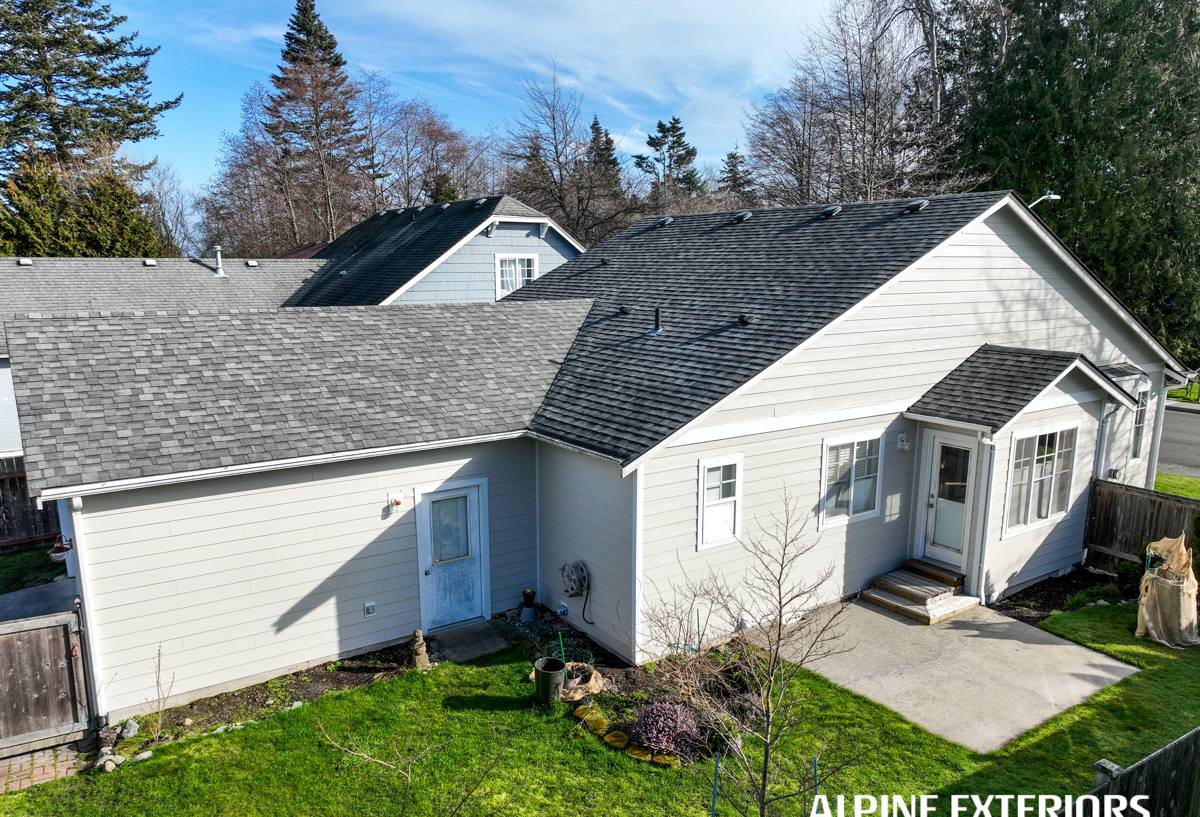
What the Local Climate Actually Does to a House
Salt Air
Homes closer to the water pick up airborne salt that settles on every exterior surface. Over years, that salt accelerates corrosion on fasteners, trim hardware, and any siding material with metal components or a finish that isn't built to shrug off chloride exposure. It also tends to draw moisture, which keeps siding surfaces damp longer than they'd otherwise be.
Driving Rain
Whatcom County doesn't just get a lot of rain — it gets wind-driven rain that hits siding at an angle instead of running straight down the wall. That means water finds its way into laps, seams, butt joints, and anywhere caulking has started to fail. Siding materials that swell, wick moisture, or delaminate when wet are a poor match for this pattern of exposure.
Moss and Shade
Between tree cover and the number of overcast, damp days in a typical year, moss and algae growth on north-facing and shaded walls is a fact of life here, not an occasional nuisance. Siding that stays damp for extended stretches gives moss more time to establish itself, and some materials are more forgiving of the cleaning that moss removal requires than others.
Why We Only Install James Hardie Fiber Cement
We used to install a wider range of siding products. We stopped installing several of them — including vinyl, LP SmartSide, and primed wood siding like cedar or spruce — not because those products are junk, but because after years of installs and callbacks in this exact climate, we concluded they weren't the right fit for what Barkley homes actually face.
Vinyl siding is affordable and low-maintenance in mild climates, but it can warp or crack in temperature swings, and its seams and laps give wind-driven rain more opportunities to get behind the panel. Engineered wood products like LP SmartSide perform well when installation and caulking are perfect and stay that way for decades, but any lapse in maintenance in a wet climate creates an opening for moisture to reach the wood substrate. Untreated or primed wood siding is beautiful, but it demands a repainting and caulking schedule most homeowners can't realistically keep up with here, and once moisture gets past the finish, rot follows.
James Hardie fiber cement is cement, sand, and cellulose fiber — it doesn't rot, it isn't a food source for moss the way wood is, and it holds up to sustained damp exposure far better than wood-based products. It's also non-combustible, which matters given the wildfire smoke and dry-season risk Washington has seen more of in recent years. We install it because it's the product we're willing to stand behind on a coastal Whatcom County home, not because it's the cheapest option or the easiest to install.
The Hardie Product Lines We Work With
Hardie makes several product lines, and the right one depends on the home's style and exposure:
- HardiePlank lap siding — the most common choice for traditional and craftsman-style homes, available in several exposure widths and textures
- HardiePanel vertical siding — used for board-and-batten looks or as an accent alongside lap siding
- HardieShingle — a shingle profile for homes that want that look without the maintenance burden of wood shakes
- HardieTrim — matching trim boards so the whole exterior envelope is fiber cement, not a mix of materials with different expansion rates and lifespans
Most of what we install carries Hardie's ColorPlus factory finish — baked-on color applied under controlled conditions, which holds up better than field-applied paint and comes with its own finish warranty. For homes in shaded, moss-prone spots, factory finish also means a more consistent surface that's easier to clean without stripping paint.
Roofing, Windows, and Decks
Siding doesn't work in isolation — it's one part of an exterior envelope that has to work together to keep water out. We handle the rest of that envelope too:
Roofing
A roof in bad condition undermines even the best siding job, since water that gets past flashing or worn shingles runs down behind the wall assembly. We inspect roof condition, flashing, and moss buildup as part of any siding project, and we handle roof repair and replacement on its own as well.
Windows
Window flashing and trim details are one of the most common places water intrusion starts, especially on homes where siding was replaced without re-flashing the openings correctly. We install and replace windows with attention to how they integrate with the siding around them, not as a separate afterthought.
Decks
Decks in this climate face the same driving-rain and moss exposure as siding, plus standing water on horizontal surfaces. We build and repair decks with materials and detailing suited to sustained wet-season use.
What a Siding Project Looks Like
- On-site inspection of current siding, trim, and any signs of moisture damage or rot behind the wall
- Assessment of moss, algae, or shading issues specific to the home's orientation
- A written estimate covering material, tear-off, and installation, with product line and color options
- Removal of old siding and inspection of sheathing and house wrap underneath, with repairs made before new siding goes on
- Installation to Hardie's published fastening, clearance, and caulking specifications
- Final walkthrough covering warranty paperwork and basic care
That fourth step matters more than it sounds. Siding installed over rotted sheathing or a failed weather barrier will fail again regardless of what's on the outside. We don't cover up problems we find underneath — we tell you what's there and fix it as part of the job.
What Drives the Cost of a Siding Project
| Factor | Why It Matters |
|---|---|
| Home size and wall complexity | More corners, dormers, and trim details mean more cutting, fitting, and labor time |
| Condition of existing sheathing | Rot or moisture damage found during tear-off adds repair work before new siding can go on |
| Product line and finish | Lap width, shingle profiles, and factory ColorPlus finishes carry different material costs |
| Trim and accent work | Board-and-batten accents, custom trim, or mixed profiles add labor beyond straight lap replacement |
| Access and site conditions | Slopes, tree cover, and tight lot lines around a home affect scaffolding and staging time |
We give firm, itemized estimates after an on-site look at the home — not a phone-quote guess — because the condition of what's underneath the existing siding is usually the biggest swing factor in final cost.
Keeping Fiber Cement Siding Looking Right
James Hardie siding is low-maintenance, not no-maintenance. A short annual routine keeps it performing the way it's supposed to:
- Rinse siding with a garden hose or low-pressure wash once or twice a year to clear pollen, dust, and early moss growth
- Check caulking at trim joints, window flashing, and butt joints annually and re-caulk any spots that have cracked or pulled away
- Trim back vegetation and tree branches that keep any section of wall in constant shade and dampness
- Look at ground-level siding and trim for splashback staining from sprinklers or roof runoff
- Address any moss or algae buildup promptly rather than letting it establish, especially on north-facing walls
Why a Local Crew Makes a Difference
A crew that works Whatcom County exteriors regularly knows how this specific climate behaves — where moss takes hold first, which wall orientations catch the worst of the driving rain, and how salt air near the water changes what fasteners and flashing details hold up over time. That's knowledge you build by working the same conditions year-round, not from a manufacturer spec sheet. It also means someone is local if a warranty question or a follow-up item comes up after the job is done, instead of chasing down a crew that worked its way through the area once and moved on.
If you're weighing a siding, roofing, window, or deck project for a home in Barkley, we're glad to come take a look and walk you through what we see — no pressure, no obligation. A free estimate gets you a real, itemized picture of the work and the cost before you decide anything.