 Sudden Valley Siding
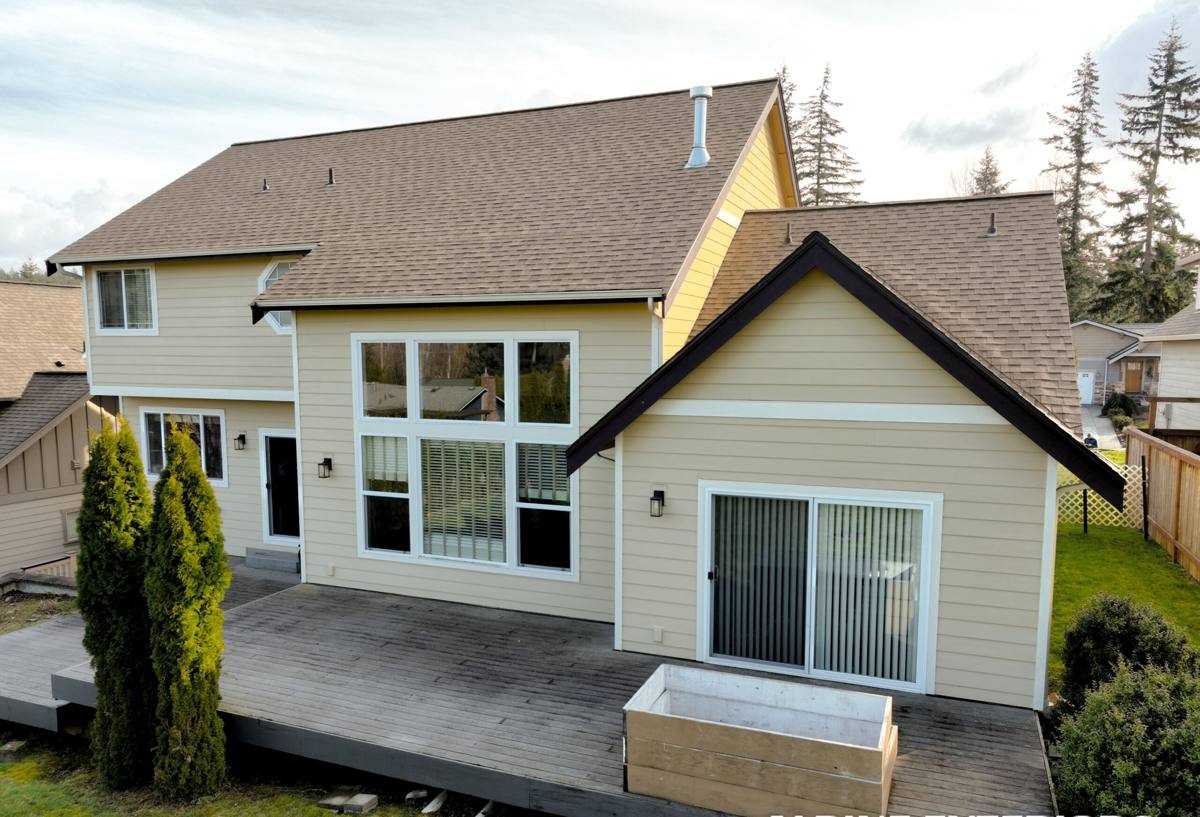
 Roof Repair for Yew Street Homes in Sudden Valley
Yew Street sits inside the Sudden Valley community, tucked against the timber and terrain that make this part of Whatcom County beautiful and, for a roof, genuinely hard on materials. Homes here deal with moisture-laden air moving off the Sound and across Lake Whatcom, long stretches of driving rain through the fall and winter, and a moss season that can run eight months or more under tree cover. None of that is unusual for this area. What it means practically is that roofs in this neighborhood age differently than roofs in a drier climate, and repairs that don't account for that end up being temporary at best.
We work Yew Street regularly, which matters more than it sounds. A crew that already knows which roof lines in this neighborhood hold moss, which orientations take the worst wind-driven rain, and which older roofing systems are common on Sudden Valley homes can diagnose a leak faster and fix it more precisely than a crew seeing the street for the first time.
Why This Climate Is Hard on Roofs
Three things do most of the damage to roofs in this part of Whatcom County:
- Driving rain. Wind-blown rain doesn't just sit on a roof surface — it gets pushed sideways and upward under shingle tabs, around flashing edges, and into any gap that a calm-weather inspection would miss.
- Persistent moisture and shade. Tree cover around Sudden Valley keeps roof surfaces damp longer after storms, which is exactly the condition moss, moss spores, and organic growth need to take hold.
- Moss season length. In a lot of the country moss is a seasonal nuisance. Here, on shaded north- and east-facing slopes especially, it's closer to a year-round condition that needs to be actively managed rather than treated once and forgotten.
Salt-laden air moving through the region also accelerates corrosion on exposed metal — nails, flashing, and fasteners — faster than it would inland in a drier climate. A repair that reuses corroding fasteners or doesn't upgrade flashing where it's failing is a repair that's already counting down to the next leak.
How This Shows Up as Roof Damage
Moss holds moisture directly against the roofing material. On composition shingles, that moisture works its way under the granule layer over time and accelerates wear on the asphalt underneath. On wood-based roofing, moss and moisture together promote rot. Either way, the failure isn't sudden — it's a slow softening that eventually shows up as a leak, often well after the underlying damage started.
Signs a Yew Street Roof Needs Repair
Most roof problems we get called out for in Sudden Valley show themselves in a handful of consistent ways:
- Dark streaking or visible moss/algae growth, especially on shaded slopes
- Granules collecting in gutters or at downspout outlets
- Curling, lifting, or cracked shingle tabs, particularly on rain-exposed slopes
- Water stains on interior ceilings or in the attic near roof penetrations
- Soft or spongy decking felt underfoot in the attic
- Rusted, lifted, or missing flashing around chimneys, skylights, and roof-to-wall transitions
- Debris buildup in valleys that holds water against the roof surface
None of these on their own necessarily means a full roof replacement. But each one is a sign that water is finding a way in, and in this climate that window between "small problem" and "structural repair" tends to close faster than homeowners expect.
What a Correct Roof Repair Actually Involves
A roof repair done right isn't just patching the visible symptom. It's tracing the leak back to its actual entry point, which is often several feet away from where the water stain shows up inside. Water travels along the underside of decking and framing before it drips somewhere visible, so a repair that only addresses the drip location without finding the real entry point is a repair that will need to be redone.
A proper repair typically includes:
- Locating the actual water entry point, not just the visible symptom
- Removing and inspecting the affected shingles, underlayment, and decking
- Assessing decking condition for rot or soft spots before replacing anything on top of it
- Replacing damaged flashing rather than sealing over corroded or lifted metal
- Matching replacement materials as closely as possible to the existing roof
- Re-checking ventilation in the repair area, since trapped moisture is often part of what caused the failure
Skipping the decking inspection is one of the more common shortcuts in a rushed repair. Shingles laid over compromised decking will look fine for a while and then fail again, usually during the next hard rain.
Moss and Debris Management as Part of the Repair
Because moss is such a persistent factor around Sudden Valley, we treat moss and debris removal as part of the repair itself, not an optional add-on. That means clearing existing growth, removing organic debris from valleys and gutter lines, and addressing the conditions that let moss establish itself in the first place — usually shade, moisture retention, and reduced airflow across the roof surface.
We're conservative about moss removal methods. Aggressive pressure washing or scraping can strip granules and shorten the life of a shingle roof faster than the moss itself would. Our standard is to use methods that clear growth without damaging the roofing material underneath — that's a professional judgment call we make based on the roof type and condition, not a one-size-fits-all treatment.
Our Process for Yew Street Homes
The steps below reflect how we approach roof repair calls in this neighborhood specifically, informed by the roofing ages and styles common in Sudden Valley:
- Inspection first. We walk the roof and the attic where accessible, not just a ground-level look, before quoting anything.
- Honest scope. We tell you plainly whether this is a repair situation or whether the roof is close enough to end-of-life that repair money would be better spent toward replacement.
- Written estimate. Clear scope, clear materials, no vague line items.
- Weather-aware scheduling. We schedule repair work around forecasted dry windows where possible, since roofing work done in active rain is rarely done well.
- Cleanup. Debris, old materials, and displaced granules are cleared from the property, including gutters where the repair affected them.
Repair vs. Replacement: What Actually Drives the Decision
Homeowners often ask us to just fix what's leaking without a real conversation about whether that's the right call. Here's a general framework for how we think about it:
| Factor | Leans Toward Repair | Leans Toward Replacement |
|---|---|---|
| Roof age | Well within expected service life | Near or past typical lifespan for the material |
| Decking condition | Solid, no rot found | Soft, spongy, or rotted in multiple areas |
| Extent of damage | Isolated to one section or penetration | Spread across multiple slopes |
| Moss/algae history | First significant occurrence | Repeated growth despite past treatment |
| Prior repairs | First repair on this roof | Several past patches already in place |
None of these factors alone makes the decision. A roof with one prior repair and isolated new damage is usually still a repair candidate. A roof with rotted decking under multiple sections, regardless of age, is a different conversation. We'll walk you through where your specific roof falls before recommending either direction.
Why a Crew That Already Works Yew Street Matters
There's a practical advantage to hiring a crew already familiar with a specific neighborhood. In Sudden Valley, that means knowing which roof ages and roofing systems are common on the street, understanding how the tree cover and terrain around Yew Street affect moisture retention and moss growth on specific roof orientations, and being able to source matching materials for repairs on roofs of a certain era without a long guessing process.
It also means we're not learning the area's weather behavior on your roof for the first time. We already know that a repair here needs to account for driving rain from certain directions and extended damp periods under shade, and we build that into how we flash, seal, and material-match every repair — not as an upsell, but as the baseline standard for doing the job right in this location.
Materials and Methods We Use
For asphalt composition roofs, the most common system in this area, we match shingle type and weight as closely as possible to avoid an obvious patch appearance and to keep wind and impact resistance consistent across the roof. For flashing, we use corrosion-resistant metal appropriate for the salt-influenced air in this region rather than reusing older, already-corroding flashing just because it's still technically in place. For underlayment, we favor products with strong water-resistance performance given how much sustained wet weather this roof will see over its life.
We don't cut corners on decking replacement when it's needed. Reusing rotted or soft decking under new shingles is one of the more common ways a "repair" fails again within a year or two, and it's not a shortcut we're willing to take.
A Simple Homeowner Checklist
Between professional inspections, here's what's reasonable for a homeowner to check on their own:
- Look at gutters and downspouts for granule buildup after storms
- Check for visible moss or dark streaking on shaded roof slopes
- Watch for ceiling stains or musty smells in attic spaces after heavy rain
- Clear leaves and debris from valleys where safely accessible
- Note any shingle tabs that look lifted or curled from the ground
- Have the roof professionally inspected after any major windstorm
Catching any of these early is usually the difference between a modest repair and a much larger one once water has had time to work into the decking and framing.
If you're seeing any of these signs on a Yew Street roof, or just want an honest read on where your roof stands, we're happy to take a look. The estimate is free, there's no pressure to move forward, and you'll get a straight answer about whether repair or something more is the right call — just fill out the form below.