 Sudden Valley Siding
 Composite Decking Built for Silver Beach's Lake and Coastal Air
Silver Beach sits close enough to open water that homes here take a different kind of weathering than decks a few miles inland in Sudden Valley proper. You get driving rain off the water, salt-laden air that finds its way into every fastener and hidden clip, and a moss season that runs longer than most homeowners expect in Whatcom County. A deck built without those specifics in mind will show it within a couple of seasons — green streaking in shaded corners, swollen fastener holes, boards that cup at the edges. Composite decking done right for this neighborhood accounts for all of it from the substructure up, not just the boards you can see.
We've worked enough decks along this stretch of Sudden Valley to know which details matter here and which are just upsells. This page walks through what a Silver Beach composite deck actually needs, what a correct installation looks like, and how we handle the job from first look to final walkthrough.
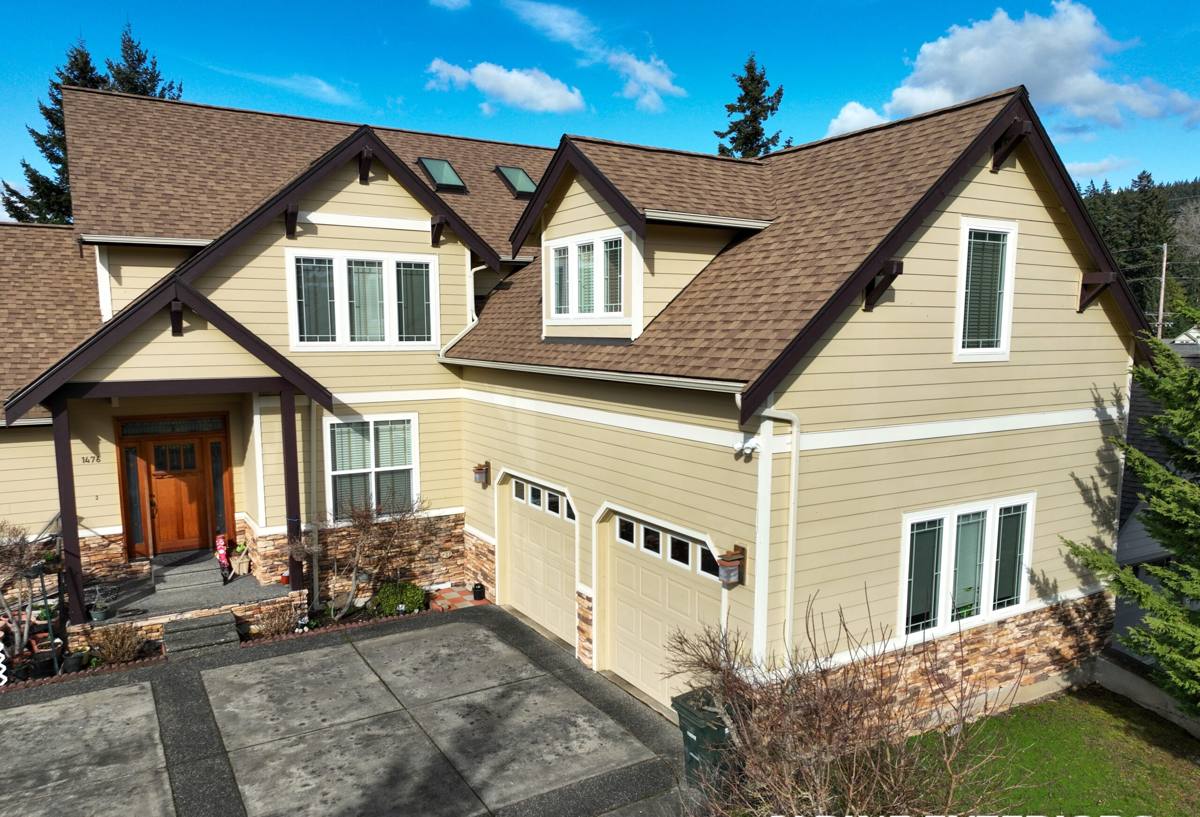
Why Silver Beach's Climate Is Harder on Decks Than People Expect
Whatcom County gets a lot of rain overall, but Silver Beach's proximity to the water adds two things that inland Sudden Valley lots don't deal with as much:
- Salt-influenced air: moisture carrying trace salt corrodes standard fasteners and hardware faster than it would a few miles up the hill.
- Persistent shade and moisture pockets: lakeside tree cover and lot orientation keep certain deck sections damp long after the rest of the yard has dried out, which is exactly where moss and algae take hold first.
Add in a moss season that can run from early fall through late spring in this part of Washington, and a deck surface here is fighting biological growth for a large chunk of the year. None of this is exotic — it's just cumulative. A deck that's technically fine in July can be genuinely slick and green by February if it wasn't built with drainage and airflow in mind.
What Composite Decking Solves — and What It Doesn't
Composite boards solve the biggest headache of wood decking in this climate: they don't absorb water the way lumber does, so you're not dealing with warping, splintering, or the annual re-staining cycle. That's a real advantage in a neighborhood that gets this much sustained moisture.
What composite doesn't solve on its own is moss and algae growth on the surface, or moisture problems underneath the deck if the substructure and drainage weren't handled correctly. Composite is a surface material — it still needs a properly built frame, correct spacing, and airflow underneath to perform the way it's supposed to. A lot of the complaints homeowners have about composite decking (staining, mildew, a "dirty" look after a couple of winters) trace back to installation shortcuts, not the material itself.
Board Type Matters More Here Than in Drier Climates
Composite boards generally fall into two categories, and the difference matters more in a shaded, damp lot than it would somewhere drier:
| Board Type | How It Handles Moisture | Best Fit for Silver Beach |
|---|---|---|
| Capped composite | Fully wrapped polymer shell resists staining, moss grip, and moisture intrusion | Strong fit — handles shaded, damp sections well |
| Uncapped composite | Exposed composite surface can absorb some moisture and stain over time | Workable in full-sun areas, weaker choice under tree cover |
| Solid PVC | No wood content, essentially moisture-proof, lighter overall | Good in high-moisture zones, different feel underfoot and higher cost |
We'll walk your specific lot with you and point out which sections get real sun and which stay damp most of the year — that split often changes the recommendation from one side of the same deck to the other.
What a Correct Installation Looks Like
The board is maybe a third of what makes a composite deck last in this environment. The rest is substructure work that doesn't show once the project is done, but determines whether you're dealing with problems in five years or fifteen.
Framing and Joist Protection
Untreated or under-protected joists are the most common failure point we see on decks in wet climates, composite or not. Joist tape or an equivalent moisture barrier on top of the framing keeps water from wicking into the wood every time it rains — and in Silver Beach, that's often.
Fastener Selection
Standard galvanized fasteners can corrode faster near the water than they would further inland. We use hardware rated for coastal or high-moisture exposure so you're not looking at rust streaks bleeding through the decking in a few years.
Drainage and Airflow Underneath
Standing water and stagnant air under a deck is where rot and moss both get started. Proper joist spacing, a slight slope away from the house, and clearance for airflow underneath all matter more on a shaded lot than they do on an open, sunny one.
Ledger Board Attachment
Where the deck ties into the house is the single highest-consequence connection on the whole structure. Flashing and waterproofing at the ledger board keep water from working its way into the house framing — this is not a spot to cut corners, regardless of what decking material sits on top.
Our Process for a Silver Beach Deck Project
- On-site walkthrough: we look at sun exposure, tree cover, existing structure (if replacing a deck), and drainage patterns specific to your lot.
- Board and structure recommendation: based on what we see, not a default upsell — some sections of a lot genuinely need less than others.
- Written estimate: materials, labor, and timeline laid out plainly before anything is signed.
- Demo and substructure work: if replacing an old deck, we check the ledger board and framing underneath before building on top of it — no point putting new boards over compromised structure.
- Installation: framing, joist protection, correct fastening, and board installation per manufacturer spec to keep any product warranty intact.
- Final walkthrough: we go over maintenance expectations specific to your deck's sun and shade pattern before we consider the job done.
Maintenance in a Moss-Heavy Climate
Composite decking cuts down maintenance significantly compared to wood, but "low maintenance" doesn't mean "no maintenance" in a neighborhood with a moss season this long. A realistic upkeep routine looks like:
- Sweeping debris off the deck regularly, especially in shaded corners where leaves and needles hold moisture
- A seasonal wash — plain soap and water in most cases — before moss gets a real foothold, typically going into fall
- Keeping gutters and downspouts near the deck clear so runoff isn't dumping directly onto the surface
- Checking rail posts and stair connections annually for any movement, which shows up faster on lakeside lots than sheltered ones
None of this is heavy lifting, but skipping it for a couple of years in a spot like Silver Beach shows up faster than it would on a drier, sunnier lot elsewhere in Whatcom County.
Cost Factors Specific to This Kind of Job
Every deck is different, but the variables that tend to move the price on a Silver Beach project are fairly consistent:
| Factor | Why It Matters Here |
|---|---|
| Existing structure condition | Old joists or ledger boards damaged by years of moisture may need replacement before new decking goes on |
| Board tier (capped vs. uncapped vs. PVC) | Shaded, damp sections often justify a higher-tier board than full-sun areas of the same deck |
| Site access | Lakeside lots and sloped yards can add time and equipment needs versus a flat, accessible backyard |
| Railing and stair complexity | Multi-level decks common on sloped Sudden Valley lots add material and labor beyond the deck surface itself |
We'll give you a broad, honest range once we've actually seen the site — not a number pulled from a national average that doesn't account for your specific lot.
Why Hire a Crew That Already Knows Silver Beach
A contractor who mostly works dry, inland jobs can still install composite decking competently, but they're less likely to flag the details that matter specifically here — which sections of a lot stay damp longest, where salt-air corrosion tends to show up first, how much moss pressure a shaded corner is actually going to see. We work this part of Whatcom County regularly, which means the recommendations we make are based on what actually holds up on lots like yours, not a generic install checklist.
That local knowledge also shows up in smaller ways — knowing which board colors hide pollen and moss residue better, or where drainage tends to pool on sloped lakeside lots after a heavy Pacific storm. It's the accumulated detail that separates a deck that looks good on install day from one that still looks good five winters later.
Get a Free, No-Pressure Estimate
If you're planning a new composite deck or replacing an aging one in Silver Beach, we're happy to come take a look, walk the site with you, and give you a straightforward estimate — no pressure, no upsell script. Use the form below to get started.