 Sudden Valley Siding
 Siding Replacement Built for Sehome's Conditions
Sehome sits close enough to Bellingham Bay that the air itself works against your siding. Salt-laden moisture rides in on marine air, mature tree canopy in the neighborhood's older streets keeps north-facing walls shaded and damp longer than they should be, and Whatcom County's long wet season means siding rarely gets a real chance to dry out between October and April. Add moss season on top of that — spores settling into every horizontal lap and unpainted seam — and you have a climate that punishes the wrong siding material faster than most homeowners expect.
We've replaced siding on enough homes in this part of Bellingham to know what actually fails here and why. This page covers what a correct siding replacement looks like for a Sehome home, what we install and why, and how our process works from first look to finished wall.
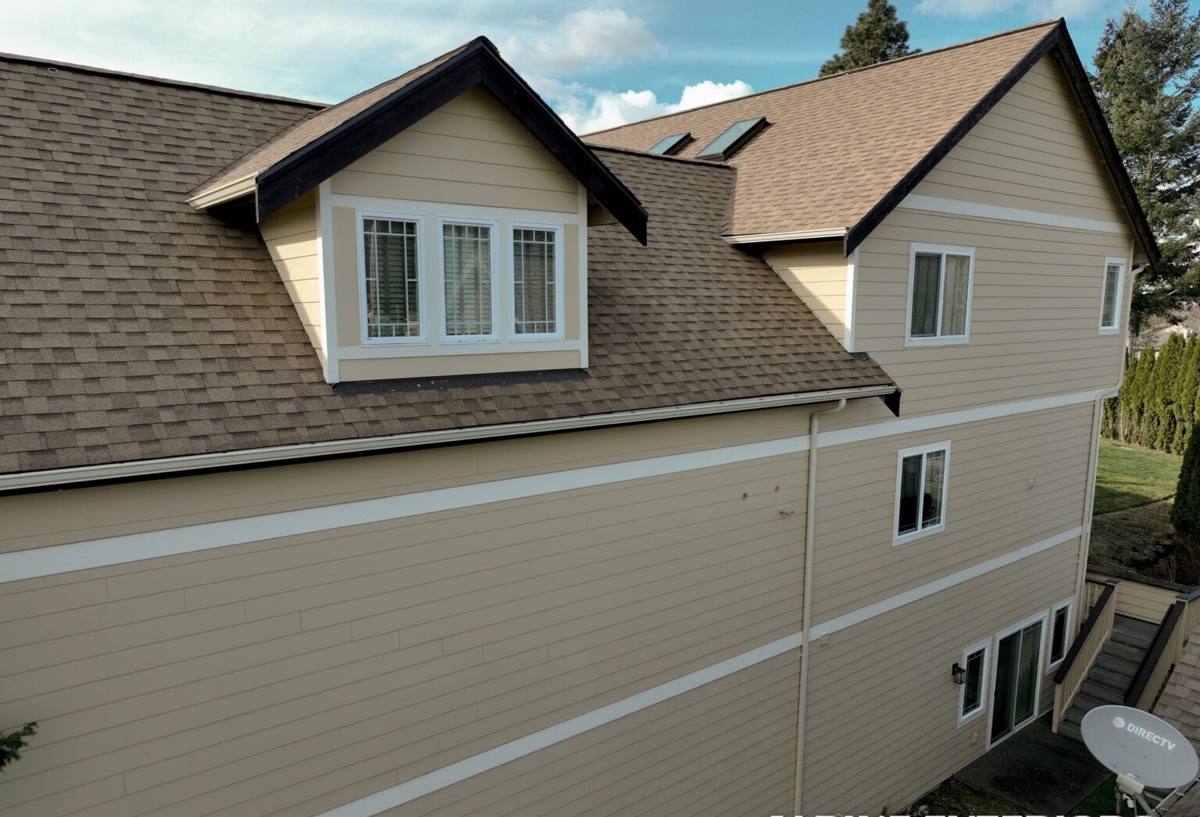
What the Coastal Climate Does to Siding Over Time
Three things drive siding failure in Sehome, and they compound each other:
Salt Air
Airborne salt from Bellingham Bay accelerates corrosion of exposed fasteners and works into any crack or seam in a siding system, carrying moisture with it. Materials that rely on paint film alone for protection lose that protection faster near the water.
Driving Rain
Storms off the Salish Sea don't fall straight down — wind-driven rain gets pushed sideways into wall assemblies, testing every seam, joint, and piece of flashing. A siding system with weak lap performance or poor water-shedding design will show it here before it shows anywhere else.
Extended Moss Season
Shaded, tree-lined lots hold moisture longer, and moss doesn't need much of an opening to take hold. Once moss establishes on siding, it holds water against the surface continuously — which is a much bigger problem for a material that swells, delaminates, or rots when saturated than for one that doesn't.
None of this is unique to Sehome, but the combination — shade, salt air, and sustained wet weather — is more concentrated here than in drier inland parts of Whatcom County, and it shows up in the siding replacements we get called for.
Signs a Sehome Home Needs Siding Replacement
Some of these are obvious from the ground; others take a closer look. If your home is showing more than one or two of these, it's worth an inspection before another wet season passes.
- Soft spots or visible sag when you press on lap siding, especially near the bottom courses and around windows
- Paint that's peeling or bubbling repeatedly in the same spots, even after repainting
- Persistent moss or algae growth that comes back within a season of cleaning
- Visible gaps opening up at seams, corners, or butt joints
- Warping, bowing, or delamination — layers separating or edges curling
- Rust streaking from fasteners or trim
- Interior signs: musty smell, staining, or soft drywall near exterior walls
- Siding that's original to a home built more than 20-25 years ago, especially wood-based products
Why We Install Only James Hardie Fiber Cement
We standardized on James Hardie fiber cement siding for every job we take on, including replacements in Sehome, and we don't install vinyl, LP SmartSide, Cemplank, Allura, primed spruce, or cedar. That's not a marketing position — it's a decision based on what holds up in this climate over decades, not just the first few years.
Fiber cement is non-combustible, doesn't feed moisture the way wood-based products can, and doesn't soften, expand, or contract with humidity swings the way vinyl does in temperature extremes. James Hardie's factory-applied ColorPlus finish is baked on under controlled conditions rather than field-applied, which matters a lot in a place where you can't always paint on a dry week. And Hardie's HZ5 product line is engineered specifically for climates like ours — cold, wet, and humid — with performance testing built around exactly the conditions Whatcom County throws at a wall.
We're not going to tell you other siding products are junk. Vinyl is inexpensive and low-maintenance in the right climate. Cedar has real appeal and a long track record when maintained relentlessly. LP SmartSide and other engineered wood products have improved over the years. But every one of them asks something of the homeowner — more frequent painting, more caulking, more vigilance about moisture — that we don't think makes sense to build into a wall in a marine, high-moss climate. We'd rather install one product correctly and stand behind it than offer five options and hope the maintenance keeps up.
What a Correct Siding Replacement Involves
Siding replacement isn't just removing old boards and nailing up new ones. The parts nobody sees are usually what determines whether a job lasts 10 years or 40.
Tear-Off and Sheathing Inspection
Once old siding comes off, we check the sheathing underneath for rot, soft spots, and existing water damage — especially common around window and door openings and at the base of walls where moisture collects. Damaged sheathing gets replaced before anything new goes up; covering a compromised wall with new siding just hides the problem.
Weather-Resistive Barrier and Flashing
A correctly installed water-resistive barrier, properly lapped and taped, is what actually keeps driving rain out of the wall assembly — the siding itself is the first line of defense, not the only one. Flashing at windows, doors, and any wall penetration has to be installed to shed water outward, not trap it.
Fastening and Clearances
James Hardie specifies exact fastener types, spacing, and clearances from grade, roof lines, and other surfaces. Skipping these specs is one of the most common ways fiber cement installations fail prematurely — and it voids the manufacturer's warranty. We follow Hardie's published installation instructions on every job, not a shortcut version.
Caulking and Sealing
Seams, trim joints, and penetrations get sealed with the right sealants in the right places — not everywhere, since over-caulking a fiber cement system can trap moisture instead of shedding it.
Finish and Cleanup
ColorPlus-finished panels arrive factory-painted, so field touch-up is minimal and limited to cut edges, using Hardie's matched touch-up products. We haul away old siding and job-site debris as part of the work, not an add-on.
Choosing the Right Hardie Line for Your Home
James Hardie makes several product lines, and the right choice depends on your home's exposure, style, and what you're trying to solve.
| Product | Best For | Notes for Sehome Homes |
|---|---|---|
| HardiePlank Lap Siding | Most homes; classic horizontal lap look | Most common choice; wide range of textures and ColorPlus colors |
| HardiePanel Vertical Siding | Modern styling, accent walls, gable ends | Pairs well with lap siding for mixed-material exteriors |
| HardieShingle Siding | Craftsman and cottage-style homes | Gives a shingle look without the maintenance of real wood shakes |
| HardieTrim Boards | Window/door trim, fascia, corners | Matches siding finish; resists the rot common at wood trim joints |
| HZ5 Engineered Line | Cold, wet, marine climates | Whatcom County falls in this climate zone — this is what we spec by default |
For homes with heavy shade or a history of moss problems, we sometimes also talk through gutter and downspout condition, trim clearances, and grading during the estimate, since siding is only part of how a wall manages water.
What Drives Cost on a Siding Replacement
Every home is different, but these are the factors that most affect price on a Sehome siding replacement:
| Factor | Why It Matters |
|---|---|
| Sheathing condition | Rot or water damage found during tear-off adds repair work before new siding can go on |
| Home size and wall complexity | More corners, gables, and dormers mean more cutting, trim, and labor time |
| Product line and profile | Lap width, texture, and trim details affect material cost |
| Story height and access | Second-story and steep-lot homes need more staging and safety setup |
| Existing siding removal | Some materials, like old cedar or multiple re-siding layers, take longer to strip |
| Trim and detail work | Window/door trim replacement and custom corner details add scope |
We give real numbers after walking the home, not a phone estimate — sheathing condition alone can shift the scope of a job significantly, and we'd rather tell you that up front than after tear-off.
Our Process, Start to Finish
- Walkthrough and estimate: We inspect the current siding, check trim and window flashing where visible, and talk through what we're seeing and why.
- Proposal: A written scope covering product line, color, trim details, and a firm price — no vague allowances.
- Scheduling: We work around Whatcom County's wet season where we can, but tear-off and dry-in are managed to limit how long a wall sits exposed.
- Tear-off and inspection: Old siding comes off, sheathing gets checked, and any repairs are discussed before covering the wall back up.
- Weather barrier, flashing, and installation: Installed to James Hardie's published specifications, including fastener spacing and clearances.
- Trim, caulking, and touch-up: Final detail work and finish touch-up on cut edges.
- Walkthrough and cleanup: We review the finished work with you and clear the site of debris and old material.
Why Local Experience in Sehome Matters
A crew that already works in and around Bellingham knows which walls take the worst of the rain off the bay, where moss comes back fastest, and how mature tree cover on established streets changes drying time after a storm. That's not something you learn from a spec sheet — it's from doing tear-offs on homes with the same exposure, season after season. It also means we're not guessing at permitting norms or scheduling around the Whatcom County weather window; we've done it enough times to plan around it.
If you're weighing a siding replacement for a home in Sehome, we're glad to take a look and give you a straight assessment of what's going on with your current siding and what it would take to do it right. Reach out for a free, no-pressure estimate — the form below gets you started.