 Sudden Valley Siding
 Roofing for a Wet Stretch of Whatcom County
Geneva sits in one of the damper corners of Washington, and the roofs here take a different kind of beating than roofs three hours south in a drier climate. Homes around Sudden Valley and Geneva deal with a long, heavy rain season, a marine-influenced air mass that carries moisture and a faint edge of salt inland off the water, and enough shade and tree cover to keep roof surfaces damp for days after a storm passes. None of that is dramatic on its own. Over ten or fifteen years, though, it adds up to shortened shingle life, moss colonies that lift roofing material at the edges, and flashing that corrodes or works loose faster than it would in a milder climate. A roof replacement done right in this area has to account for all of that from the first nail, not just match what was there before.
What This Climate Actually Does to a Roof
Moss and Organic Growth
Whatcom County's combination of shade, humidity, and mild temperatures is close to ideal moss habitat. Moss doesn't just look bad — it holds water against the roofing surface, works itself under shingle tabs and shakes, and gradually lifts material away from the deck. On north-facing slopes and anywhere near overhanging conifers, moss can establish itself within two or three wet seasons on a roof that isn't detailed to resist it.
Driving Rain and Wind-Driven Moisture
Storms coming off the water don't always fall straight down. Wind-driven rain pushes moisture up under shingle laps, around vent boots, and into any flashing seam that isn't sealed and lapped correctly. A roof that would perform fine in a calmer climate can leak here if the underlayment and flashing details aren't built for sideways rain.
Marine Air and Metal Fatigue
The salt-tinged marine air that moves across Whatcom County accelerates corrosion on unprotected or lower-grade metal — flashing, fasteners, vent caps, and gutter hardware. It's not dramatic on a two-year-old roof, but on a fifteen-year-old one it's often the reason small leaks start showing up at valleys and roof-wall junctions before the shingles themselves are worn out.
Signs a Repair Won't Cut It Anymore
Not every roof problem calls for full replacement. But there's a point where patching individual leaks stops being cost-effective and starts being a way of throwing money at a roof that's already failing as a system. Watch for:
- Granule loss heavy enough that gutters are collecting gravel-like debris after every rain
- Shingles that are curling, cupping, or cracking across large sections rather than one isolated spot
- Moss or dark algae streaking that keeps returning within a season of being cleaned
- Soft or spongy decking felt through the roof surface, or sagging visible from the ground
- Daylight visible through the roof deck from inside the attic
- Multiple past repairs in different areas rather than one recurring, fixable spot
- Interior water stains on ceilings or in the attic that show up during or right after storms
What a Correct Roof Replacement Involves
Full Tear-Off and Deck Inspection
We don't install new roofing over old material. A full tear-off lets us actually see the deck — plywood or sheathing that's soft, delaminated, or stained from long-term moisture gets replaced before anything new goes down. Covering that up with a new roof just hides a problem that will resurface.
Underlayment and Ice-and-Water Shield
Eaves, valleys, and any low-slope transitions get a self-adhering waterproof membrane, not just standard felt. In a climate with this much annual rainfall, that membrane is doing real work every wet month of the year — it's the backup layer that keeps wind-driven rain and any ice-dam backup from reaching the deck.
Ventilation
A roof that can't breathe traps moisture in the attic, which shortens the life of the decking and the roofing material from underneath. We check intake at the soffits and exhaust at the ridge or roof vents and correct the balance where it's inadequate — a common gap on older homes that were roofed without much attention to airflow.
Flashing — Including Where the Roof Meets Your Siding
Step flashing at walls, counter-flashing at chimneys, and valley metal all get replaced with new material, properly lapped so water sheds down and out rather than getting trapped. This is also where roof-wall transitions matter most, which is the next section, because it's where a lot of hidden damage actually starts.
Material Options for a Geneva Home
There's no single "correct" roofing material for this area — it depends on your home's roof pitch, your budget, and how much long-term maintenance you're willing to do. Here's how the common options compare for a climate like ours:
| Material | Typical Lifespan | Moss/Moisture Resistance | Ongoing Maintenance | Relative Upfront Cost |
|---|---|---|---|---|
| Architectural asphalt shingle | 25–30 years | Good with proper detailing | Periodic moss treatment recommended | Moderate |
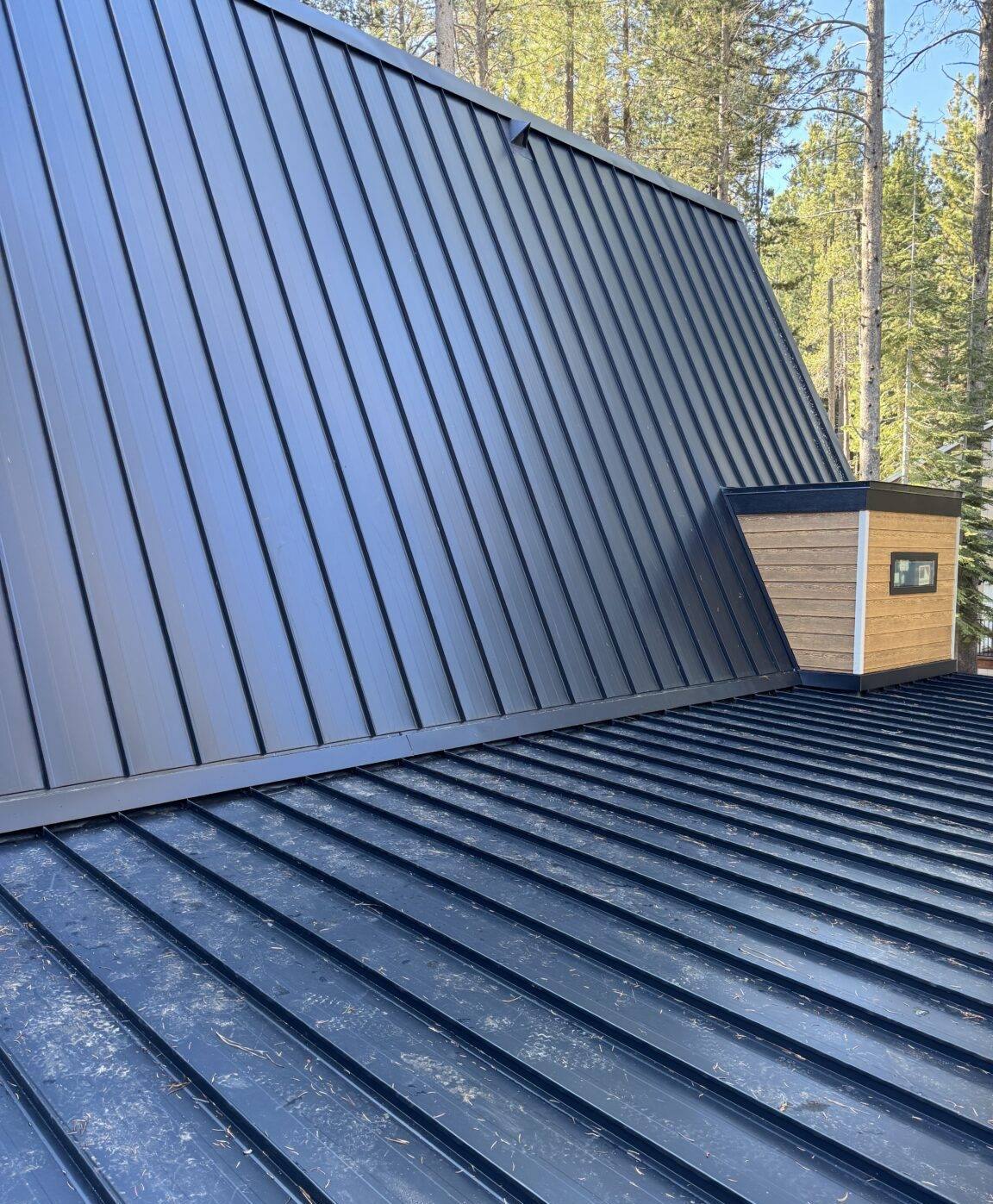
| Standing seam metal | 40–50+ years | Excellent — sheds moss growth | Low | Higher |
| Synthetic/composite shake | 30–40 years | Very good | Low to moderate | Higher |
| Cedar shake | 20–30 years with upkeep | Requires active moss/moisture management | High | Higher |
Most of the homes we replace roofs on in this area go with architectural asphalt shingle for the balance of cost and performance, or standing seam metal when the homeowner wants to largely stop thinking about moss and reroofing for decades. We'll walk through the honest trade-offs for your specific roof rather than pushing one product across the board.
The Roof-Wall Connection: The Detail That Gets Skipped
Because we're a siding contractor first, we spend more time than most roofing crews thinking about what happens where the roof meets the wall — dormers, sidewalls, chimney intersections, and roof-to-wall junctions in general. This is one of the most common places for hidden water damage on homes in wet climates, because it requires flashing that's coordinated between two trades: roofing and siding. A kickout flashing that's missing or undersized at the bottom of a roof-wall intersection can dump water directly behind the siding for years before anyone notices rot in the wall framing. When we replace a roof, we check and correct these transitions as part of the job instead of stopping at the roofline and leaving the wall side for someone else to deal with later.
Our Process, Start to Finish
- On-site inspection. We look at the roof, the attic, and the roof-wall transitions, not just the shingles from the ground.
- Written estimate. A clear scope of work and material selection, with options explained honestly — no pressure toward the most expensive product.
- Scheduling around weather. Given how much rain this area gets, we plan tear-off days around forecast windows to keep your home protected throughout.
- Tear-off and deck repair. Old material removed, deck inspected, any damaged sheathing replaced.
- Underlayment, flashing, and roofing installation. Installed to manufacturer specifications so warranties stay valid.
- Cleanup and magnetic sweep. Debris and stray fasteners cleared from the yard and driveway before we leave.
- Final walkthrough. We go over the finished roof with you before calling the job done.
Keeping a New Roof Performing Through Whatcom County Winters
A correctly installed roof still benefits from basic upkeep in this climate. A few habits go a long way toward getting the full lifespan out of the investment:
- Clean gutters at least twice a year, especially before the heaviest fall rains
- Trim back overhanging branches to cut down on shade and debris buildup
- Have moss treated or gently removed before it establishes a thick mat, not after
- Walk the attic once a year looking for damp insulation, staining, or daylight through the deck
- Check that gutters and downspouts are still directing water away from the foundation and siding
- Schedule a quick inspection after any unusually severe windstorm
Why a Crew That Already Works Sudden Valley and Geneva Matters
Roofing logistics in this area aren't the same as roofing a flat subdivision lot. Many homes around Sudden Valley and Geneva sit on sloped lots with tree cover close to the house, which affects staging, tear-off debris handling, and material delivery. A crew that already works this part of Whatcom County knows how to plan around that, knows what moisture-related problems tend to show up first in local homes, and isn't guessing at the climate conditions your roof has actually been living in. If your property is part of a community with its own design or exterior guidelines, we can also help you understand what documentation or approval steps might apply before work starts — it's worth checking with Whatcom County and any applicable community association ahead of scheduling.
If your roof is showing its age or you're just trying to plan ahead before the next wet season, we're glad to come out, take an honest look, and put together a straightforward estimate — no pressure, no obligation. Use the form below to get started.