 Sudden Valley Siding
 Siding Repair Built for This Corner of Whatcom County
Sehome sits in a part of Whatcom County where the weather doesn't do siding any favors. Homes here deal with a mix of marine air, heavy fall and winter rain, and long stretches of gray, damp weather that keeps siding wet far longer than it would be inland. A siding repair that works fine in a drier climate can fail here within a couple of seasons if it's not done with this environment in mind. We work as a local crew based out of Sudden Valley, and Sehome is inside our regular service area — not a stop we make once and never see again.
This page is specifically about siding repair, not full replacement, and specifically about what that looks like for homes in and around Sehome. If your siding needs patching, resealing, or a section rebuilt, here's what actually matters and what a correct job involves.
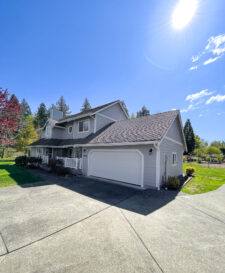
What the Local Climate Does to Siding
Salt Air and Slow Corrosion
Homes closer to the water pick up salt-laden air that accelerates corrosion on fasteners, flashing, and any exposed metal trim. It's a slow process — you won't see it happen — but over years it shows up as rust streaks bleeding through paint, staining around nail heads, and fasteners that lose their grip before the siding itself fails. A repair that reuses corroded fasteners or skips proper flashing detail is a repair that's already counting down to a second repair.
Driving Rain
Storms in this part of Whatcom County frequently bring wind-driven rain, not just straight-down rain. Wind-driven moisture gets pushed sideways and upward into laps, seams, and trim joints that were never designed to shed water horizontally. This is where most of the water intrusion problems we find start — not on the open face of a wall, but at the joints, corners, and penetrations where the original installation or a prior repair left a gap.
The Long Moss Season
Shade, moisture, and mild temperatures add up to a moss and algae season that runs long here — often most of the year on north-facing and heavily shaded walls. Moss isn't just cosmetic. It holds moisture directly against the siding surface for extended periods, which is exactly the condition that causes rot in wood-based products and accelerates coating breakdown on almost anything.
The Repair Problems We See Most Often Here
The specific failure points vary by what's actually on the wall, but the pattern is consistent: water finds a way in, and it takes time before it's visible from the outside.
- Caulk failure at butt joints and trim — the sealant dries out, shrinks, and cracks, opening a path for wind-driven rain.
- Soft or swollen panels — a sign that moisture has been sitting behind the siding, often longer than the visible damage suggests.
- Rust staining and loose fasteners — common on older installs that didn't use corrosion-resistant hardware suited to marine-influenced air.
- Moss and algae buildup on shaded walls — holding damp against the surface and, on some materials, feeding rot underneath.
- Impact damage — cracked or dented sections from storm debris, ladders, or yard equipment.
- Gaps at trim, corners, and penetrations — often the actual entry point even when the damage shows up somewhere else on the wall.
What that damage looks like depends on the material. Older cedar or wood siding tends to show rot and soft spots where moisture has been trapped. Vinyl siding cracks, warps, or pulls loose from fasteners in temperature swings and wind. LP SmartSide and similar engineered wood products can swell or delaminate at cut edges and joints if the factory-sealed edges were compromised during the original install. Fiber cement, when it fails, is almost always a caulking, flashing, or fastener issue rather than the panel itself breaking down — which is one reason we standardized on it, but it still needs correct repair technique when something does go wrong.
What a Correct Siding Repair Actually Involves
Diagnosing the Real Cause
Patching the visible damage without finding what let water in means the same spot fails again in a year or two. A proper repair starts with figuring out where the moisture is actually getting behind the siding — which is frequently not the same spot where the damage is visible, since water travels downward and sideways behind the surface before it shows up.
Matching Material, Texture, and Reveal
A repaired section that doesn't match the surrounding siding in texture, panel width, or reveal is obvious from the sidewalk. On James Hardie siding, that means using the correct HZ product line and matching the factory ColorPlus finish so the patch doesn't stand out as a different shade after a season or two of sun exposure.
Rebuilding the Moisture Path
This is the part that gets skipped on rushed repairs. Correct work means checking the house wrap or weather-resistive barrier behind the removed section, restoring proper flashing at any penetration or trim intersection, and leaving the right gaps and clearances so water that does get behind the cladding has somewhere to drain instead of sitting against structural framing.
Fasteners and Finish Work Suited to This Air
Given the corrosion factor in marine-influenced air, we use fasteners and hardware rated for that exposure rather than whatever happens to be on the truck. It costs a little more up front and it's the difference between a repair that lasts and one that starts rust-staining the new work within a couple of years.
Repair or Replace? A Straight Answer
Not every siding problem calls for full replacement, and we won't tell you it does. The table below is a general guide — every house is different, and a proper inspection is the only way to know for certain.
| Situation | Repair Usually Makes Sense | Replacement Is Usually Better |
|---|---|---|
| Damage extent | Isolated section, single wall, or a few panels | Damage spread across multiple walls or the whole house |
| Underlying moisture | Caught early, minimal hidden rot | Water has been behind the siding long enough to reach sheathing or framing |
| Siding material | James Hardie fiber cement in otherwise good condition | Older wood, vinyl, or engineered wood nearing the end of its service life |
| Age of the siding | Relatively recent install with a localized failure | Siding is decades old with widespread wear, fading, or repeated repairs |
| Cost over time | One-time fix resolves the issue | Repeated repairs to the same areas year after year |
When a home's existing siding isn't James Hardie and it's reaching that replacement threshold, our standard recommendation is Hardie fiber cement — it's the only material we install new, because of how it holds up against this specific combination of driving rain, moss, and salt air over the long run. But if a repair is the honest answer for your situation, that's what we'll tell you.
How Our Process Works
- On-site inspection. We look at the damaged area and check for hidden moisture beyond what's visible from the outside.
- Written scope and estimate. You get a clear explanation of what's causing the problem and what the repair actually involves — no vague line items.
- The repair itself. Matched materials, corrosion-resistant fasteners, and proper flashing and moisture-barrier detail at every affected joint.
- Cleanup and a final look. We walk the repaired area with you before we consider the job finished.
Why a Crew That Already Works This Neighborhood Matters
A contractor who's driven past Sehome once on the way to a bigger job doesn't know which walls take the worst of the wind-driven rain, how fast moss builds back on shaded north walls, or what a repair here has to survive that a repair somewhere drier wouldn't. We're a Sudden Valley-based crew that works this area regularly, which means faster response when a repair needs attention and a working knowledge of how homes in this specific stretch of Whatcom County actually age. That's not something you get from a general contractor who covers the whole region and specializes in nothing.
Simple Maintenance Checklist to Catch Problems Early
Most siding repairs are cheaper and simpler when the problem is caught before it spreads. A few minutes twice a year can save a much larger repair later.
- Walk the exterior after major fall or winter storms and look for cracked, loose, or missing sections.
- Check caulking at trim, corners, and around windows and doors for cracking or gaps.
- Look for soft spots, swelling, or discoloration, especially near the ground and under windows.
- Clear moss and debris off shaded walls before it builds up into a thick mat.
- Check fasteners and metal trim for rust staining or streaking.
- Keep gutters clear and downspouts directed away from the foundation so runoff doesn't wash against the siding.
If you're seeing any of these signs on a Sehome or Sudden Valley area home, we're glad to take a look. A free, no-pressure estimate gives you a straight answer on whether you need a repair, and what that repair should actually involve — just fill out the form below.