 Sudden Valley Siding
 Custom Windows Built for Happy Valley's Climate
Homes in and around Happy Valley sit close enough to open water and heavy timber that window performance isn't just about looks — it's about survival. Salt-laden air off the Sound, driving rain that comes in sideways during fall and winter storms, and a moss season that seems to stretch longer every year all put real, ongoing stress on window frames, seals, and sills. A window that looks fine in a showroom can start failing within a few years out here if it wasn't spec'd and installed with this specific climate in mind.
Custom windows aren't just about matching an odd-sized opening in an older home, though that's part of it. In Happy Valley, "custom" also means choosing frame materials, glazing, and flashing details that are actually suited to Whatcom County conditions instead of a generic Pacific Northwest package. This page walks through what that looks like, what a correct installation involves, and how our process works from first look to final walk-through.
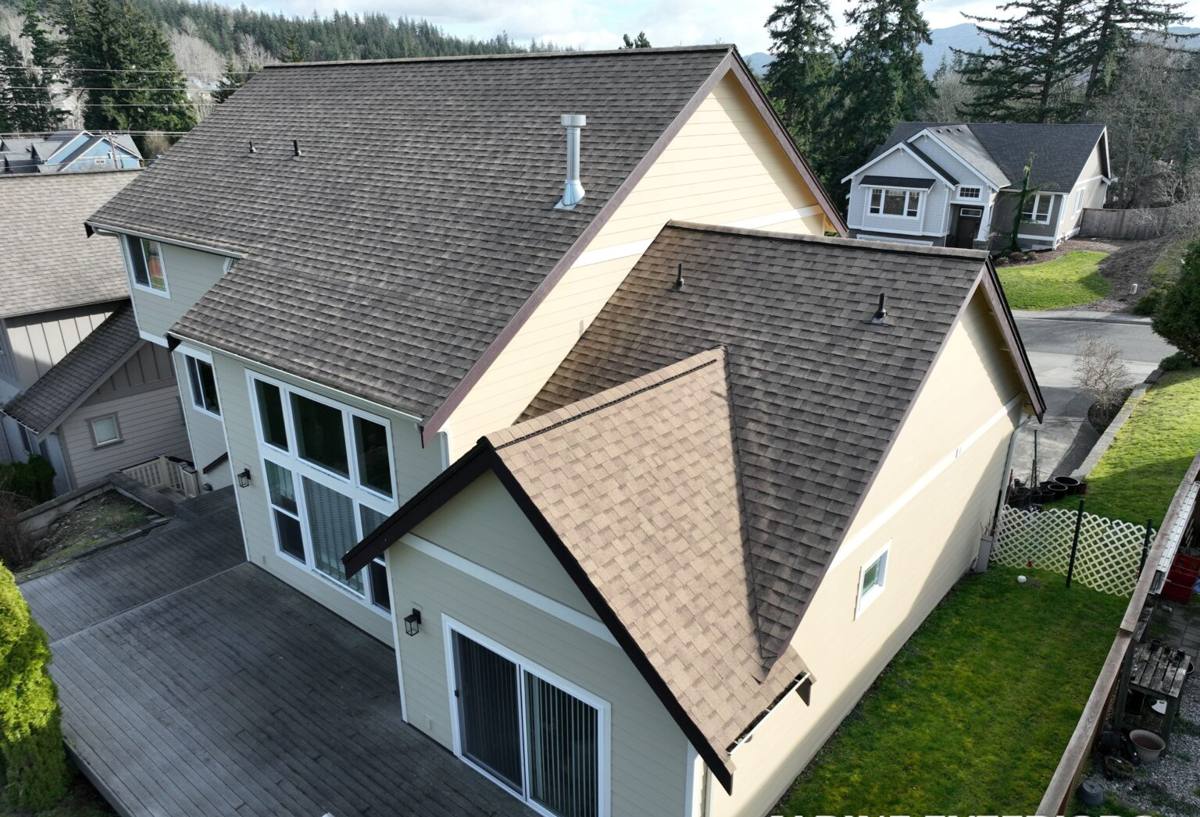
What Happy Valley Homes Actually Need From Their Windows
Salt Air and Corrosion
Proximity to Bellingham Bay and the broader Salish Sea means airborne salt is a real factor here, even for homes that aren't waterfront. Salt accelerates corrosion on hardware — hinges, locks, balance systems, and especially unprotected fasteners. Over time this shows up as stiff or failing operation, pitted metal, and streaking on the frame finish. Window hardware and frame materials that aren't rated for coastal exposure tend to show their age faster in this area than they would inland.
Driving Rain and Wind-Driven Water
Whatcom County storms don't always come straight down. Wind-driven rain pushes water sideways into wall assemblies, and window openings are one of the most common places water finds its way in. This isn't primarily a glass problem — it's a flashing, sealant, and installation-sequencing problem. A window that's watertight in a lab test can still leak in the field if the surrounding wall isn't detailed correctly around it.
Moss, Mildew, and a Long Wet Season
Moss doesn't just grow on roofs. Given enough shade and moisture, it colonizes window sills, tracks, and the wood or composite trim around frames. Once established, it holds moisture against the surface long after the rain stops, which speeds up rot in wood components and can stain or degrade lower-grade vinyl and composite trims. Window styles and materials that shed water quickly and don't trap debris in the sill area hold up noticeably better through a full Whatcom County wet season.
What "Custom" Actually Means Here
Custom windows cover more ground than most homeowners expect. It's not only about non-standard sizes — it's about matching the window to the specific opening, the home's exposure, and how that wall has performed historically.
- Non-standard or oddly-sized openings common in older Happy Valley homes, additions, and remodels
- Matching sightlines and grille patterns to an existing home's style rather than forcing a generic replacement look
- Selecting frame material based on the wall's actual sun and rain exposure, not a one-size answer for the whole house
- Upgraded glazing packages for rooms facing prevailing weather or persistent shade and dampness
- Custom flashing and sill pan details for openings with a known or suspected history of water intrusion
Frame Material: The Trade-Offs We're Honest About
There's no single "best" window material for every home in this area — there are trade-offs, and we'd rather walk you through them than push one product line as a universal answer.
| Material | Coastal/Salt Air Behavior | Moisture Behavior | Maintenance |
|---|---|---|---|
| Vinyl | Doesn't corrode; good baseline durability | Handles moisture well if properly flashed; welded corners resist water entry | Low; occasional cleaning |
| Fiberglass | Excellent corrosion resistance; dimensionally stable in temperature swings | Very good moisture resistance; holds paint/finish well over time | Low to moderate |
| Wood (clad or unclad) | Attractive but vulnerable if cladding or finish is compromised near salt exposure | Requires consistent maintenance to prevent rot, especially in shaded, moss-prone areas | Higher; periodic refinishing and sealant checks |
| Aluminum | Can corrode without proper coatings; thermally less efficient | Prone to condensation issues in our damp climate without thermal breaks | Moderate |
We steer most Happy Valley homeowners toward vinyl or fiberglass for general use because they hold up with the least ongoing maintenance burden in salt air and sustained moisture. Wood-framed windows can still be the right call for a specific architectural look, but we're upfront that they demand a real maintenance commitment out here — that's a homeowner decision, not a product flaw, and we'll help you weigh it honestly.
What a Correct Installation Actually Involves
The window unit itself is often not where failures start — poor installation is. A correct job in this climate follows a specific sequence, and skipping steps is exactly how homeowners end up with slow leaks that don't show up until they've already caused rot behind the wall.
Our Installation Process
- Remove the old window and inspect the rough opening for existing water damage, rot, or prior improper flashing
- Repair or rebuild any compromised framing before the new window goes in — never install over a bad substrate
- Install a proper sill pan to direct any water that does get past the window back outside the wall
- Set the window level, plumb, and square, shimmed correctly to avoid stressing the frame
- Flash the head, jambs, and sill in the correct shingled sequence so water is always directed downward and outward
- Seal with appropriate sealants rated for our climate, not generic caulk that hardens and cracks within a couple of seasons
- Finish interior and exterior trim, then test operation and check for air and water infiltration
Any one of these steps done wrong can undo the benefit of an otherwise good window. This is the part of the job that doesn't show up in a product brochure but matters more than the brand name on the frame.
Signs Your Current Windows Are Losing the Fight
- Visible fogging or moisture between panes on double or triple-glazed units — a sign of failed seals
- Soft or discolored wood trim around the frame, especially on shaded or north-facing walls
- Moss or persistent green growth building up in the sill track
- Drafts or noticeable temperature difference near the window even when it's fully closed
- Hardware that's stiff, corroded, or difficult to lock and unlock
- Peeling paint or bubbling finish on the interior sill, often a sign of moisture getting where it shouldn't
Why Local Experience in This Area Matters
A window contractor who mostly works drier, inland areas doesn't always default to coastal-appropriate flashing and sealant choices — not because they're careless, but because it isn't what their usual jobs demand. Crews who regularly work Happy Valley and the broader Sudden Valley area already know which walls tend to see the worst wind-driven rain, which sills collect moss fastest, and which older homes in this pocket of Whatcom County were built with flashing details that don't hold up to current conditions. That local pattern recognition shows up in fewer callbacks and windows that are still performing correctly five and ten years out, not just on install day.
Planning a Custom Window Project
Timing Considerations
Dry-window installation is easier to schedule and execute cleanly during the drier summer stretch, but well-planned projects can proceed responsibly through most of the year with the right weather monitoring and sequencing. We won't schedule exterior work into a stretch of forecasted heavy rain if it can be avoided — that's a basic quality-control call, not an excuse.
Cost Factors
| Factor | Why It Affects Cost |
|---|---|
| Frame material | Fiberglass and higher-end vinyl cost more upfront than basic vinyl but often cost less over the life of the window in maintenance |
| Opening condition | Rot repair or reframing behind an old window adds labor and material beyond the window unit itself |
| Glazing package | Upgraded glass for exposed or shaded, damp-prone walls costs more but reduces condensation and heat loss |
| Number and size of openings | Larger custom shapes and multi-window projects have more complex flashing and framing labor |
| Trim and interior finish work | Matching existing trim profiles or restoring interior finishes adds finish carpentry time |
We give straightforward, itemized numbers so you can see exactly what you're paying for — no inflated "good-better-best" packages designed to upsell you past what your home actually needs.
Get a Straightforward Look at Your Windows
If your Happy Valley home has windows that are drafty, fogging, or showing rot around the frame, it's worth getting an honest read on whether repair, partial replacement, or a full custom install makes sense before another wet season sets in. We'll walk the exterior with you, point out what we actually see, and give you a clear picture of your options. Request a free, no-pressure estimate using the form below.