 Sudden Valley Siding
 Why Silver Beach Homes Wear Out Siding Faster Than You'd Expect
Silver Beach sits right against Lake Whatcom, tucked into tree cover and shoreline humidity that most Whatcom County neighborhoods don't deal with year-round. That combination — constant moisture off the water, shade that keeps siding damp longer after every rain, and driving weather that comes off the lake sideways during winter storms — is hard on exterior materials. Add in the long moss and algae season that Western Washington is known for, and you've got a climate that actively works against anything less than a genuinely weather-engineered siding product.
Homeowners here often tell us the same thing: paint that should last a decade is peeling in five or six years, panel seams are swelling, and the north-facing wall never quite dries out before the next rain shows up. That's not bad luck. It's what happens when a siding product not built for this kind of sustained moisture exposure gets installed anyway.
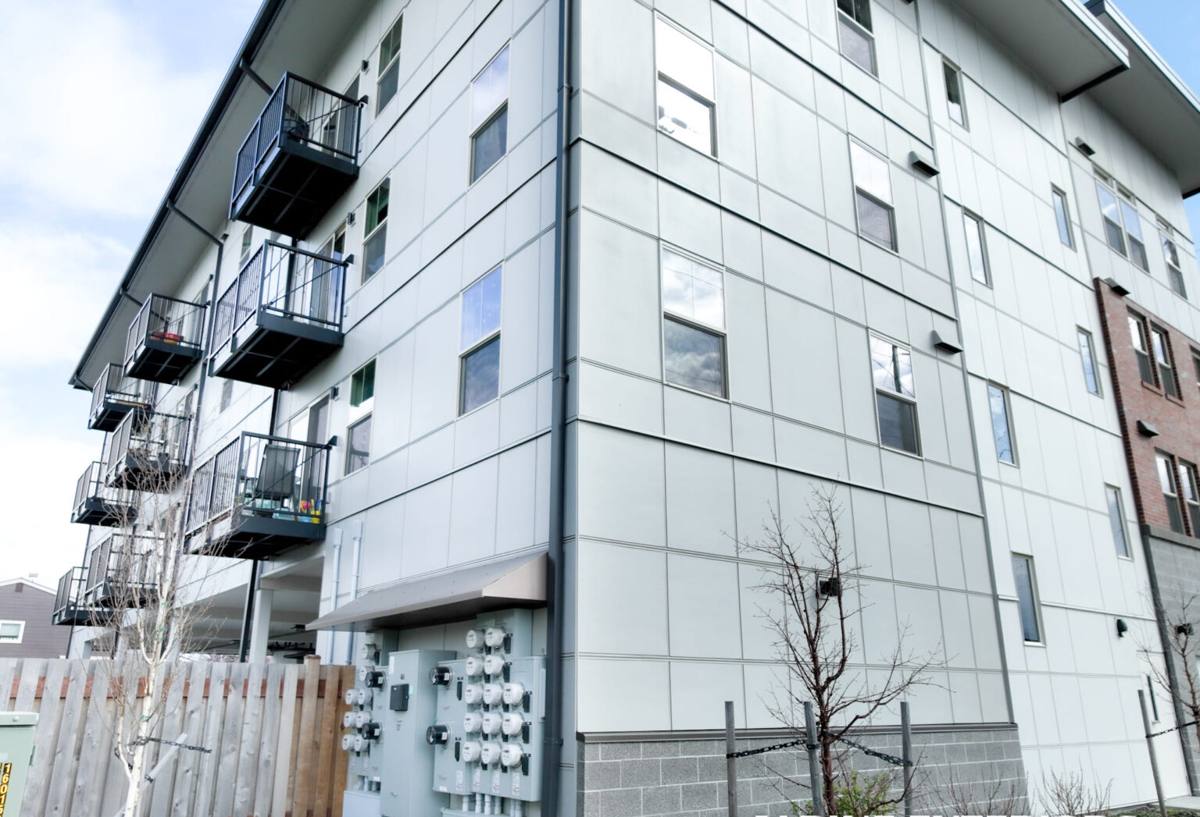
What Silver Beach's Climate Actually Demands From Siding
Moisture That Doesn't Let Up
Being close to the lake means higher ambient humidity than you'd find further inland in Whatcom County. Siding here doesn't get long dry stretches between rain events the way it might in a more open, sun-exposed location. Materials that swell, wick moisture, or trap water behind the surface are going to show it — bubbling paint, soft spots, or delamination — faster here than almost anywhere else in the area.
Moss and Algae Pressure
Shade from surrounding trees plus lake humidity is exactly the recipe moss and algae need. Porous or wood-based siding surfaces give spores something to grip onto and grow into over a full moss season that can run from fall through spring. Once organic growth gets established in a surface, it holds moisture against the wall even longer, which accelerates whatever damage the underlying material is already prone to.
Driving Rain and Wind Off the Water
Open water means wind has a runway. During winter storms, rain doesn't just fall on Silver Beach homes — it gets driven sideways into wall assemblies, seams, and trim junctions. That kind of exposure punishes any installation where flashing, caulking, or panel gaps were treated as an afterthought.
Why We Install Only James Hardie Fiber Cement Here
We don't install vinyl, LP SmartSide, Cemplank, Allura, primed spruce, or cedar on any of the homes we work on — including here in Silver Beach — and this climate is a big part of why. Fiber cement in general resists moisture and fire better than wood-based or engineered-wood products, but the reason we standardized on Hardie specifically is the combination of factory-cured ColorPlus finish, climate-engineered HZ5 product lines built for the Pacific Northwest's wet-side conditions, and a warranty structure that's actually backed by a manufacturer with decades of field performance data in exactly this kind of climate.
That's not a knock on every other product category — cedar has real character, and vinyl has its price point. But on a lake-adjacent, moss-heavy, wind-driven-rain site like Silver Beach, we've seen what happens to materials that aren't built for sustained moisture exposure, and we'd rather tell a homeowner honestly that we won't install something we don't think will hold up here.
What HZ5 Actually Means
James Hardie makes region-specific formulations of its fiber cement siding, and HZ5 is engineered for wetter, more temperature-variable climates like ours. It's not a marketing label — it's a different mix designed to resist moisture absorption and freeze-thaw stress better than a generic, one-size-fits-all formulation would in a drier climate zone.
ColorPlus Factory Finish
Instead of field-painting siding after installation — which is where a lot of moisture and adhesion problems start — ColorPlus panels are finished at the factory under controlled conditions, then baked to cure. That finish is engineered to resist fading and hold up to the kind of UV and moisture cycling that Western Washington throws at exterior paint. It also means touch-up and color-match products exist specifically for the finish on your home, rather than relying on a generic exterior paint that was never matched to the substrate.
What a Correct James Hardie Installation Involves
The product only performs as well as the installation underneath it. In a moisture-heavy environment like Silver Beach, the details most homeowners never see are the ones that determine whether siding lasts fifteen years or fifty.
- Removal of failing siding down to the sheathing, with a full inspection for hidden rot, especially around window and door openings
- Correction of any water-damaged sheathing or framing before new material goes up — never siding over a compromised wall
- A proper weather-resistive barrier installed with correct lapping, so water sheds down and out rather than behind the cladding
- Rain screen or drainage gap detailing appropriate to a high-moisture site, giving water a path to escape instead of sitting against the panel back
- Manufacturer-specified fastener placement, panel gaps, and clearances — Hardie's own installation guide is specific about this, and shortcuts here are where most siding failures start
- Correct flashing at every horizontal trim, window head, and roof-to-wall intersection, since these are the points wind-driven rain finds first
- Caulking only where Hardie's specifications call for it — over-caulking traps moisture just as badly as under-caulking lets it in
Our Process for Silver Beach Projects
1. On-Site Assessment
We walk the property, look at drainage patterns around the foundation, check for existing moss or algae staining, and inspect current siding for signs of trapped moisture or rot — particularly on north- and lake-facing walls where sun exposure is lowest.
2. Tear-Off and Substrate Check
Old siding comes off and we inspect the sheathing underneath. This is the step that gets skipped by crews trying to move fast, and it's the single biggest predictor of whether new siding will last in a wet climate. Any soft or damaged sheathing gets replaced before anything new goes up.
3. Weather Barrier and Drainage Detail
Given how much moisture Silver Beach sees, we pay particular attention to the drainage plane behind the siding — making sure water that does get behind the cladding has somewhere to go rather than sitting against the wall assembly.
4. Installation to Manufacturer Spec
Panels, fasteners, and trim go in following James Hardie's published installation requirements — not shortcuts, not "close enough." This is also what keeps the manufacturer's warranty intact, since Hardie's warranty coverage depends on correct installation.
5. Final Detailing and Walkthrough
Trim, caulking, and touch-up finishing get checked against spec, and we walk the property with the homeowner before calling the job done.
Cost Factors on a Site Like Silver Beach
Every home is different, but a few factors specific to lake-adjacent, tree-covered properties tend to move the estimate more than they would on a straightforward, open-lot job:
| Factor | Why It Matters Here |
|---|---|
| Substrate condition | Homes with a history of moisture exposure near the lake more often need sheathing repair before new siding goes on |
| Access and site slope | Many Silver Beach lots slope toward the water, which can affect staging, scaffolding, and material staging costs |
| Existing moss/algae remediation | Heavily shaded walls may need additional prep to remove organic growth before tear-off |
| Trim and detail complexity | Homes with more window/door openings and roof-to-wall transitions need more flashing and detail work, which adds labor |
| Product line selected | HZ5 lap siding, panel systems, and trim options carry different material costs depending on the look you want |
We give straightforward, itemized estimates rather than vague ballpark numbers, because on a site with this many variables, generic pricing isn't useful to a homeowner trying to plan a project.
What Homeowners Can Do Between Now and a Full Re-Side
If a full siding replacement isn't in the immediate plan, there are still things worth staying on top of, particularly given the moss season and moisture load this neighborhood deals with:
- Keep gutters and downspouts clear so water is directed away from siding and foundation walls, not sheeting down the face of the house
- Watch for soft spots, bubbling paint, or dark staining, especially on shaded or lake-facing walls — these are early signs of trapped moisture
- Trim back vegetation and tree cover that keeps siding from drying out between rain events
- Address moss and algae growth promptly rather than letting it establish, since it holds moisture against whatever surface it's growing on
- Get a professional inspection if you notice recurring paint failure in the same spots year after year — that's usually a sign of an underlying moisture path, not just a cosmetic issue
Why Hiring a Crew That Already Works This Neighborhood Matters
Silver Beach and the broader Sudden Valley area have their own microclimate quirks — shade patterns, drainage behavior, and wind exposure that differ from siding jobs elsewhere in Whatcom County. A crew that's worked this specific stretch of lakefront and near-lakefront homes knows where moisture tends to collect, which wall orientations need extra drainage detailing, and how the moss season here actually behaves across a full year, not just a single site visit.
That local familiarity shows up in decisions a homeowner never sees directly: where extra flashing gets added even though it's not strictly the minimum spec, which walls get prioritized for tear-off inspection, and how drainage planes get detailed on a lake-adjacent lot versus a drier, more open one. It's the difference between a technically code-compliant install and one that's actually built for the conditions this neighborhood sees every winter.
Ready to Talk Through Your Home
If your Silver Beach home is due for new siding, or you're seeing early signs of moisture trouble on shaded or lake-facing walls, we're happy to take a look and walk you through what a correct James Hardie installation would involve for your specific property. Reach out for a free, no-pressure estimate using the form below.