 Sudden Valley Siding
 Windows Built for What Sudden Valley Actually Throws at Them
Homes in the Yew Street area of Sudden Valley don't deal with generic weather — they deal with a specific combination of salt-laden air, wind-driven rain, and long stretches of damp, shaded conditions that come with Whatcom County's climate and the tree cover common to this part of the community. Windows here take more abuse than windows in a dry inland climate, and they show it faster: swollen sashes, fogged glass, soft sills, and frames streaked with moss or mildew are common sights on homes that have gone too long between window services. A custom window job done right for this area isn't just about picking a style you like. It's about materials, flashing, and sealing choices that account for what this specific corner of Whatcom County does to a window over years, not just what it looks like on install day.
This page is about one thing: custom window installation and replacement for homes in and around Yew Street. Not a general overview of window options nationwide — what actually holds up here, what a correct installation looks like, and how we approach the work on homes in this neighborhood.
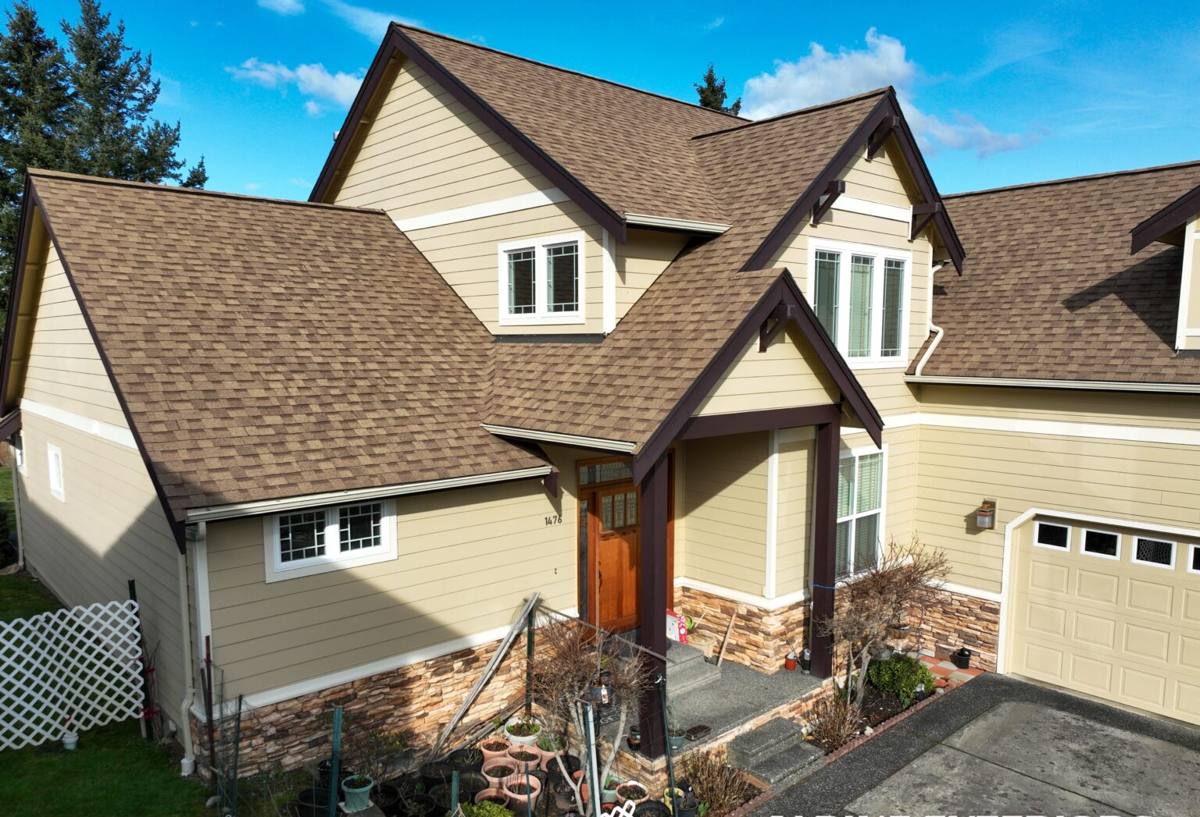
What Salt Air, Rain, and Moss Do to Windows Over Time
Salt Air and Hardware Fatigue
Salt-laden air works on metal components — hinges, cranks, balance mechanisms, and screws — long before most homeowners notice anything wrong with the glass itself. Corrosion starts small: a window that used to open smoothly starts sticking, or a lock that used to seat cleanly starts feeling loose. By the time hardware fails outright, it's often been degrading quietly for a couple of years.
Driving Rain and Seal Failure
Wind-driven rain doesn't just hit a window head-on — it gets pushed sideways and upward, finding any weak point in the seal around the frame or between the sash and frame. Once a seal starts to fail, water works its way behind trim and into the wall cavity, and that damage is usually invisible from inside the house until it's significant. This is the single biggest reason we treat flashing and sealing as more important than the window unit itself.
Moss, Algae, and Trapped Moisture
A long moss season means organic growth doesn't stay confined to the roof. On shaded lots — and there are plenty in Sudden Valley — moss and algae find a foothold on window sills, in corner joints, and in any spot where water sits instead of draining. Beyond the cosmetic issue, trapped moisture under moss holds against wood and painted surfaces far longer than open rain does, which accelerates rot in sills and trim that would otherwise last for years.
Signs a Yew Street Home Needs Window Work
Most window problems don't announce themselves loudly. They show up as small annoyances that get written off as normal aging, until they're not minor anymore. Here's what we tell homeowners in this area to watch for:
- Fogging or a milky haze between the panes of a double-pane window (a failed seal, not something you can clean off)
- Noticeable drafts near the frame even when the window is fully latched
- Windows that are hard to open, close, or lock — often a sign of frame swelling or hardware corrosion
- Soft, spongy, or discolored wood at the sill or lower frame corners
- Visible moss, algae, or persistent dark streaking on the frame or sill
- Paint that's bubbling, peeling, or cracking on the window trim specifically, even if the rest of the siding looks fine
- Condensation forming on the inside of the glass regularly, especially in cooler months
- A noticeable increase in heating costs without any other obvious cause
Any one of these on its own might not mean much. Two or three together, especially on windows facing the prevailing weather, usually mean it's worth having someone take a real look rather than waiting another season.
What a Correct Custom Window Installation Involves
Accurate Measuring and Fit
"Custom" starts with measurement. Older homes in this area often have openings that have shifted slightly over the decades, or that were never perfectly square to begin with. A stock-sized window forced into an out-of-square opening creates gaps that no amount of caulk fixes properly. We measure each opening individually and account for how it's actually built, not just its nominal size.
Flashing and Moisture Management
This is the step that separates a window that lasts fifteen-plus years from one that starts leaking in three. Proper flashing directs any water that gets past the exterior surface back out and away from the wall structure, rather than letting it pool behind the trim. Given how much wind-driven rain this area sees, we treat flashing detail as non-negotiable, not an optional upgrade.
Sealing and Insulation
Around the window unit itself, the gap between the frame and the rough opening needs to be sealed and insulated correctly — not overpacked with expanding foam, which can bow the frame, and not left with gaps that let air and moisture through. This step also matters for energy efficiency, since a poorly sealed window undermines even a high-performance glass package.
Trim and Finish Work
The exterior trim around a window is a common failure point specifically because it's exposed to direct weather and often gets less maintenance attention than the window itself. Correct trim work uses materials and detailing that shed water rather than trap it, and it's finished in a way that doesn't leave exposed end grain or unsealed joints for moisture to enter.
Skipping any of these steps is how a good window ends up failing early
- Skipping flashing: water gets behind the trim even though the window itself is fine
- Skipping proper sealing: drafts and energy loss even with new, efficient glass
- Rushing trim work: rot returns within a few years in the exact same spot
- Ignoring rot in the surrounding framing before installing: the new window is only as good as what it's set into
Choosing Window Materials for This Climate
There's no single "best" window material for every home — the right choice depends on the home's exposure, budget, and how much upkeep the homeowner wants to do. Here's how the common options compare for a climate like this one:
| Material | Moisture & Salt Air Resistance | Maintenance | Typical Lifespan |
|---|---|---|---|
| Vinyl | Good — won't rot or corrode, but can warp under extreme temperature swings | Low — occasional cleaning | 20–30 years |
| Fiberglass | Very good — stable in wet, humid conditions, resists warping | Low | 30+ years |
| Wood (unclad) | Poor without diligent upkeep — this climate is hard on exposed wood | High — regular painting/sealing required | Varies widely with maintenance |
| Wood with aluminum or vinyl cladding | Good — cladding protects the wood from direct weather exposure | Moderate | 25–35 years |
| Aluminum | Fair — durable but conducts cold and can corrode near salt air without proper finish | Low | 20–30 years |
As a matter of professional standard, we're cautious about recommending unclad wood windows for homes with direct weather exposure in this area — not because wood is a bad material, but because the maintenance schedule needed to keep it performing well is more than most homeowners realistically keep up with, and a missed repaint cycle here does more damage, faster, than it would in a drier climate. Clad wood, fiberglass, or quality vinyl generally give a better balance of appearance and long-term performance for this specific climate.
Our Process for Yew Street Window Projects
On-Site Assessment
We start by looking at the actual condition of each opening — not just the window unit, but the framing, sill, and trim around it. If there's hidden rot or water damage, that gets identified and addressed before a new window ever goes in. Installing a new window into a compromised opening just hides the problem temporarily.
Installation Day
Openings are prepped, flashed, and the new units are set, leveled, and shimmed for correct fit. We seal and insulate around the frame, then finish with trim and exterior sealant appropriate for the material and exposure. Work areas are protected and cleaned up as we go, not left for a final pass.
Follow-Up and Warranty
Manufacturer warranties cover the window unit itself; our installation workmanship is backed separately. We walk through operation of each window with the homeowner before calling the job done, and we're available afterward if something needs adjustment.
Cost Factors for Custom Windows in Sudden Valley
Every home is different, so we don't quote sight-unseen — but these are the main factors that move the price of a window project up or down:
| Factor | Why It Affects Cost |
|---|---|
| Number of windows | More units means more material and labor, though per-unit cost often drops on larger jobs |
| Material choice | Vinyl, fiberglass, and clad-wood carry different price points and installation labor |
| Window size and shape | Custom or oversized openings, and specialty shapes, cost more than standard rectangular sizes |
| Condition of the existing opening | Rot repair or reframing adds labor and material beyond the window itself |
| Accessibility | Second-story windows, tight side-yard access, or sloped lots common in this area can add labor time |
| Trim and finish complexity | Matching existing trim profiles or upgrading materials affects both cost and long-term durability |
Broadly, homeowners in this area should expect a wide range depending on these factors — a single straightforward replacement is a very different job than a whole-house custom window package with rot repair included. We give firm numbers after seeing the actual openings, not before.
Why a Crew That Already Works Yew Street Matters
A window contractor who's worked homes in this specific area already knows what to expect before they show up: which exposures take the worst of the wind-driven rain, how shaded, tree-covered lots hold moisture longer after a storm, and which construction eras in this part of Sudden Valley tend to have particular trim or framing quirks. That's not a marketing point — it's the difference between a crew that has to relearn the local conditions on your dime and one that already builds their process around them. It also means fewer surprises mid-job, because rot patterns, hardware corrosion, and moss buildup in this neighborhood tend to follow recognizable patterns once you've seen enough of them.
If you're weighing whether your windows need attention, or you already know they do and want it done right the first time, we're glad to take a look. Reach out for a free, no-pressure estimate — use the form below to get started.