 Sudden Valley Siding
 Composite Decking for Yew Street, Sudden Valley
Yew Street sits inside a part of Whatcom County where the weather doesn't do decks any favors. Long wet stretches, moisture-laden air moving in off the Sound, and a moss season that can run half the year all work on an outdoor deck the same way they work on roofs and siding — slowly, and mostly out of sight until a board starts to cup, a fastener starts to weep rust, or a green film shows up on the walking surface. Composite decking, installed correctly, is built to shrug off most of that. Installed carelessly, it fails in exactly the same spots a wood deck does — just with different symptoms.
This page is about composite decking specifically for homes in and around Yew Street — what the local climate actually does to a deck, what a correct installation looks like, and how we approach the work when we're on your property.
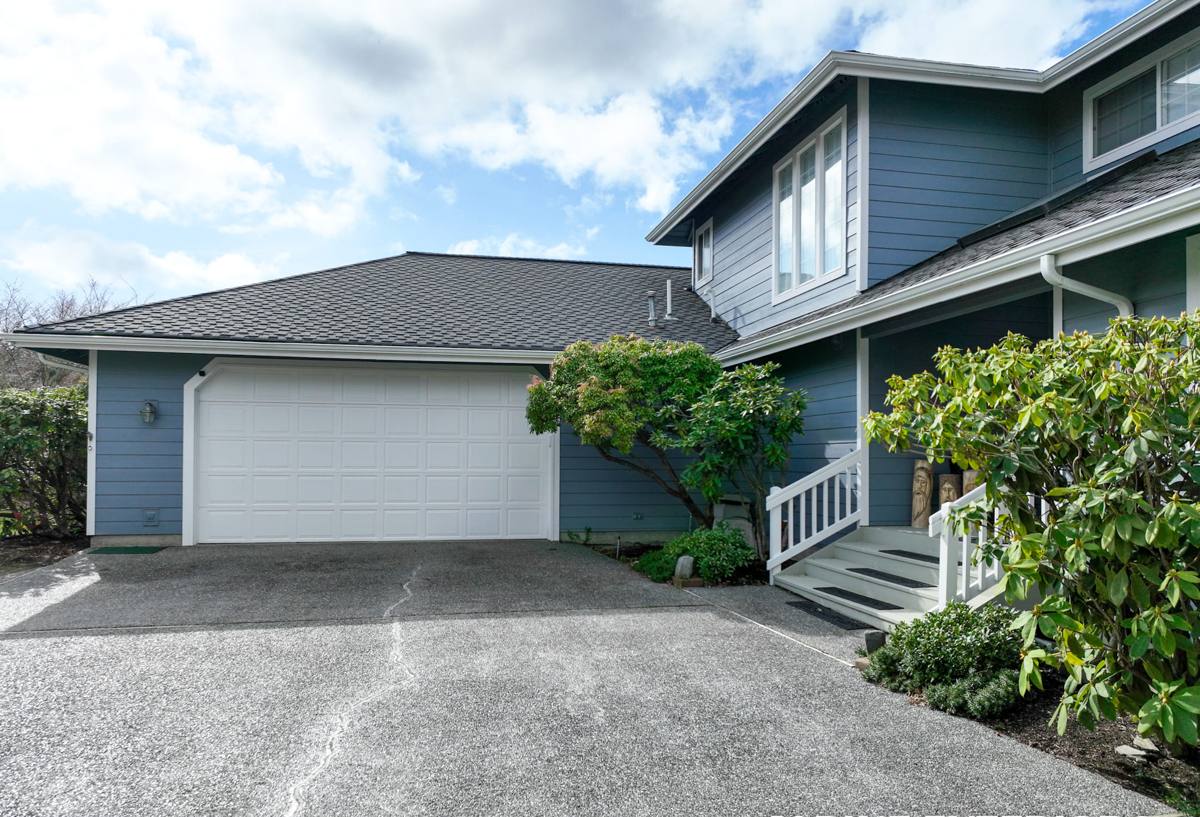
What Whatcom County Weather Does to a Deck
Sudden Valley's setting means decks here deal with a specific combination of stresses rather than any single extreme:
- Driving rain that gets pushed sideways under railings and against ledger boards, not just straight down onto the deck surface.
- A long moss and algae season — shaded decks, north-facing decks, and decks tucked under trees stay damp long enough for growth to take hold, which makes the walking surface slick and, on the wrong material, can work into the surface texture over time.
- Salt-tinged, moisture-heavy air that accelerates corrosion on any hardware that isn't rated for it — screws, brackets, and structural connectors included.
- Freeze-thaw swings that are mild by mountain-town standards but still cycle enough each winter to open up any gap where water has been sitting.
None of this is unique to composite decking — wood decks face the same conditions. The difference is that composite material handles moisture at the board level differently than wood does, which changes what "correct installation" means and where a crew needs to pay closest attention.
Where Problems Actually Start
In our experience, deck failures in this climate almost never start with the decking boards themselves. They start with what's underneath and around them: a ledger board that wasn't flashed properly where it meets the house, joists that don't have enough airflow beneath them, fasteners that weren't rated for exterior/coastal-influenced exposure, or a picture-frame border that traps water instead of shedding it. The visible board is usually the last thing to show a problem, not the first.
Composite, Wood, and PVC — An Honest Comparison
We install composite decking because, for most homes in this area, it's the best balance of upkeep, appearance, and long-term moisture performance. That doesn't mean it's the right call in every situation, or that every composite product is interchangeable. Here's how the main options actually compare for a deck that sees Whatcom County weather:
| Factor | Pressure-Treated Wood | Composite Decking | PVC / Cellular Decking |
|---|---|---|---|
| Moisture behavior | Absorbs water; swells, cups, and checks over seasons | Low absorption; moisture-resistant core, needs proper airflow beneath | Essentially non-absorbent; very stable in wet climates |
| Moss/algae resistance | Poor — porous surface holds growth | Good on capped boards; requires periodic cleaning | Very good — smooth, non-porous surface |
| Annual maintenance | Sealing/staining, sanding, spot repairs | Occasional wash-down, no sealing/staining | Occasional wash-down |
| Upfront cost | Lowest | Mid-range | Highest |
| Feel underfoot / appearance | Natural wood grain, ages unevenly | Consistent wood-look grain and color | Uniform, more "manufactured" look |
| Typical warranty structure | Manufacturer treatment warranty only, not workmanship | 25–50 year fade/stain limited warranties, product-dependent | Similar or longer, product-dependent |
We'll walk you through the real trade-offs for your specific deck rather than pushing one product line — a small, shaded deck tucked against the house has different needs than a large, open deck that gets full sun and wind exposure.
What a Correct Composite Installation Involves
Composite boards are more forgiving than wood in some ways and less forgiving in others. Get the substructure wrong and a composite deck can trap moisture worse than a wood deck would, because the boards themselves aren't drying it out.
Framing and Ledger Attachment
The ledger board — where the deck ties into the house — is the single most common failure point we find on older decks in this area. It needs proper flashing that directs water away from the house framing, not caulk alone. On a re-deck, we check this connection every time, even when the customer only asked about the decking surface.
Joist Spacing and Airflow
Composite manufacturers specify tighter joist spacing than most builders use for wood decking, especially on diagonal layouts or near stair openings. Just as important is airflow underneath the deck — composite boards need ventilation below them to shed the moisture that does get in. A deck built low to the ground with poor cross-ventilation will hold dampness against the joists no matter how good the surface material is.
Fasteners and Hardware
Every fastener, bracket, and hanger below the decking needs to be rated for exterior, corrosion-resistant use. This is a place where cutting corners doesn't show up for a year or two — then it shows up as rust streaks and a loose connection all at once.
Hidden Fastening and Board Gaps
Most composite systems today use hidden fastener clips rather than face screws, which keeps the surface cleaner and removes screw-head penetration points where water and debris can collect. Board gap spacing also matters more here than in a dry climate — too tight, and boards can't shed water and debris; too wide, and small items work through.
Drainage and Grade
Water needs somewhere to go once it's shed off the deck. We check the grading and drainage path beneath and around every deck we build, not just the deck itself — a deck that dumps water against a foundation or crawlspace vent creates a second problem to solve later.
Our Process, Start to Finish
- On-site assessment. We look at the existing deck or build site, the ledger connection, grading, sun/shade exposure, and how the deck ties into your siding and roofline.
- Honest scope and estimate. You get a clear breakdown of what needs to be replaced structurally versus cosmetically, and what product options make sense for your budget and exposure.
- Tear-out (if replacing). Old decking and, where needed, damaged framing come out. This is when hidden ledger and joist problems get found and fixed — not covered up.
- Framing repair and correction. Joist spacing, flashing, ventilation, and fastener hardware are brought up to what the composite manufacturer actually requires, not just what the old deck had.
- Composite installation. Hidden-fastener boards go down with proper gapping, picture-framing or border details as specified, and attention to drainage at every transition.
- Final walkthrough and cleanup. We walk the finished deck with you, cover care and cleaning basics for this climate, and leave the site clean.
What Drives the Cost
Every deck is different, but the same handful of factors move the price up or down on most Yew Street jobs:
| Cost Factor | Why It Matters |
|---|---|
| Deck size and shape | Cutouts, angles, and multiple levels add labor and material waste beyond straight square footage |
| Substructure condition | Rot, undersized joists, or an unflashed ledger add repair scope before decking can go down |
| Board tier and brand | Entry-level capped composite versus premium composite or PVC carries a real material cost difference |
| Railing and stair systems | Composite/aluminum railing systems, especially with glass or cable infill, add meaningfully to total cost |
| Height and access | Second-story decks and difficult site access increase labor time |
| Site drainage work | Regrading or adding drainage beneath the deck is sometimes necessary given how wet this area stays |
We'll give you a real number for your deck after we've actually looked at it — not a phone-quote guess that changes once we open things up.
Living With a Composite Deck in This Climate
One of the reasons homeowners move to composite decking here is how little upkeep it needs compared to wood — but "low maintenance" doesn't mean "no maintenance," especially with a moss season this long.
- Sweep or blow off leaves and debris regularly, especially in shaded areas — trapped organic matter is what feeds moss and algae growth.
- Wash the deck surface once or twice a year with a soft-bristle brush and a composite-safe cleaner; avoid pressure washing directly into board grooves.
- Keep gutters and downspouts near the deck clear so water isn't dumping directly onto or under it.
- Check railing posts and stair connections annually for movement — hardware issues show up here before they show up in the decking.
- Address any standing water or slow-draining spots under the deck promptly rather than waiting for the next dry stretch.
Why a Crew That Already Works Yew Street Matters
Decking work in Sudden Valley isn't identical to decking work on the dry side of the state, and it isn't identical to decking work in downtown Bellingham either. A crew that already works this specific area knows how local moss patterns run through the seasons, how the grading and drainage tend to behave on the lots here, and what shortcuts show up in older decks that need correcting rather than covering over. That local familiarity shows up in fewer surprises during tear-out and a deck that's built for the conditions it will actually sit in, not a generic set of specs.
It also means a shorter response time if something needs a look after the job is done — we're not driving in from out of the area for a warranty check or a quick question about care and cleaning.
Get a Straight Answer on Your Deck
If you're weighing a deck replacement or a new build on Yew Street, we're happy to come take a look, tell you honestly what your substructure needs, and lay out real options and pricing for composite decking that's built for Whatcom County weather — no pressure, no obligation. The estimate form below gets you on our schedule.