 Sudden Valley Siding
 Deck Repair Built for South Hill's Terrain and Weather
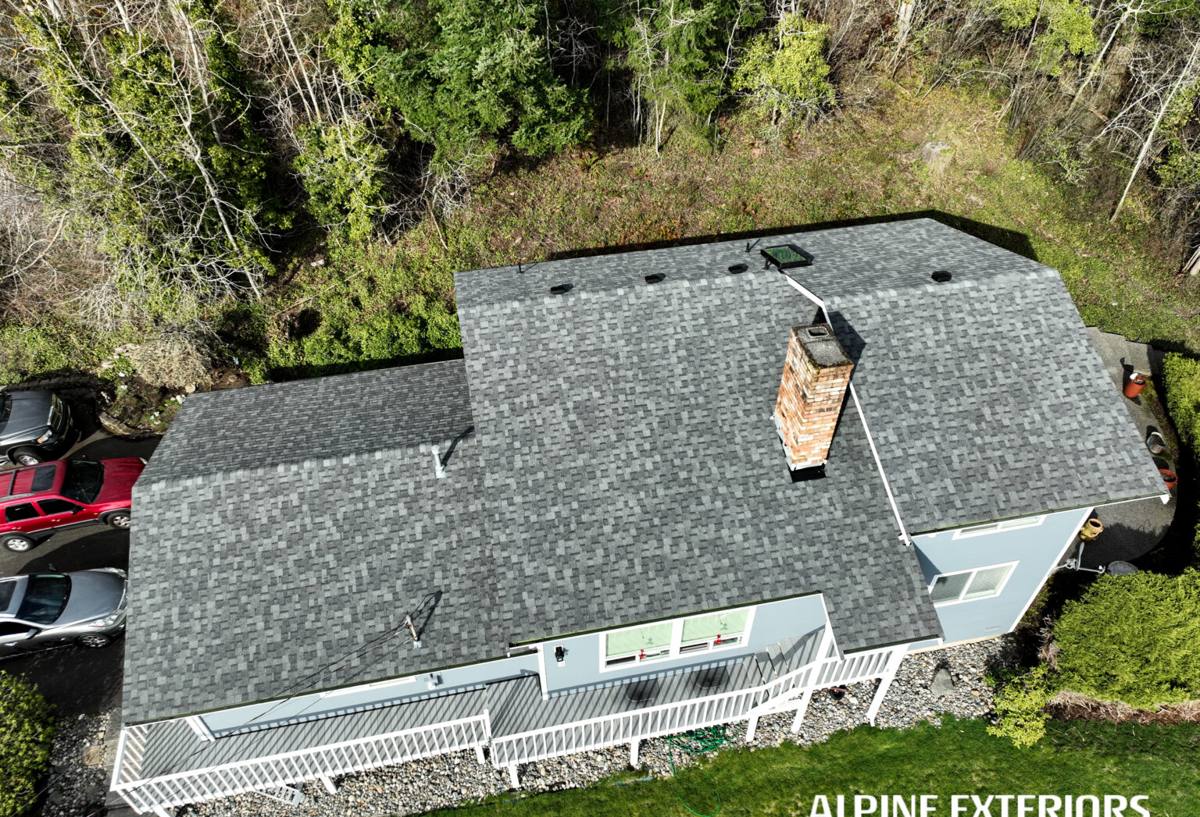
Homes on South Hill sit on wooded, sloped ground above Sudden Valley, and that setting shapes what a deck goes through year to year. Tree canopy holds moisture on the boards longer after every rain. Slope means water runs toward the house and under the deck instead of away from it. And Whatcom County's marine climate — salt-tinged air off the Sound, driving rain that comes in sideways during fall and winter storms, and a moss season that can run from October into May — puts a slow, steady load on wood, fasteners, and framing that flatter, more open lots don't see as badly.
We repair decks in this specific setting regularly, which matters. A deck built or repaired without accounting for shade, slope, and moss behaves differently than the same deck in a sunny, level yard. This page covers what South Hill decks actually need, what a correct repair involves, and how we handle the job from first look to final walk-through.
What This Climate Does to a Deck Over Time
Moss and Trapped Moisture
Moss doesn't just look bad — it holds water against the decking surface and in the gaps between boards, keeping wood wet far longer than open sun and wind would allow. On shaded South Hill lots, that extended wet period is what actually causes rot, not any single storm. Moss growing on a deck surface is usually a sign the wood underneath is staying damp longer than it should.
Driving Rain and Wind-Driven Water
Storms here don't always fall straight down. Wind-driven rain gets pushed under railings, into ledger board connections, and behind fascia boards where standard flashing details sometimes fall short. Over years, that's where we find the worst hidden damage — not on the open deck surface, but at the ledger, the stair stringers, and any spot where the deck meets the house or ground.
Salt Air and Fastener Corrosion
Whatcom County's proximity to salt water means metal hardware corrodes faster than it would inland. Nails, screws, and joist hangers that aren't rated for coastal exposure can rust, weaken, and eventually fail years before the wood around them gives out. A deck can look structurally sound on the surface while its fasteners are quietly failing underneath.
Signs Your Deck Needs Repair — Not Just Cleaning
Power-washing and re-staining help, but they don't fix structural problems, and pressure-washing over rot can actually make things worse by driving water deeper into softened wood. Here's what tells us a deck needs real repair work:
- Boards that feel spongy, springy, or soft underfoot, especially near the house or in shaded corners
- Visible moss or dark staining that keeps returning within weeks of cleaning
- Gaps, rust streaks, or movement at joist hangers and ledger board connections
- Railings or stair posts that wobble or flex when you lean on them
- Fasteners backing out, snapping off, or leaving rust trails down the wood
- Any daylight or water pooling visible underneath the deck after a rain
- A ledger board area that stays wet noticeably longer than the rest of the deck
What a Correct Deck Repair Job Actually Involves
A repair that only replaces the boards you can see from the top often misses the problem. We look at the deck as a system — surface, framing, and connections — because failure in one usually starts in another.
Structural Inspection First
Before replacing anything, we check the ledger board attachment to the house, the condition of joists and beams, post bases, and any spot where water collects instead of draining. On sloped South Hill lots, we also look at how water moves under and around the deck footings, since uphill runoff can undermine a post base over time even when the deck above looks fine.
Framing and Fastener Repair
Rotted or corroded framing gets sistered or replaced, not just covered over. Corroded fasteners and hangers are swapped for hardware rated for wet, coastal conditions — this is one of the most common corners cut in a quick patch job, and it's usually the first thing to fail again.
Decking and Railing Repair
Individual boards, railing sections, or stair components are replaced to match the existing deck where possible, with attention to proper spacing for drainage and airflow — tight, moisture-trapping gaps are a major contributor to the moss and rot cycle we see on shaded lots.
Flashing and Water Management
Where the deck meets the house, correct flashing keeps wind-driven rain from working its way behind siding or into the ledger connection. This detail gets missed more than any other on older or DIY-repaired decks, and it's a major source of hidden rot.
Repair vs. Replacement: How We Help You Decide
Not every deck needs a full rebuild, and not every problem can be safely patched. We walk you through the honest trade-offs rather than defaulting to the bigger job.
| Factor | Repair Usually Makes Sense | Replacement Should Be Considered |
|---|---|---|
| Framing condition | Isolated rot in a few joists or the rim board | Widespread soft or rotted framing throughout |
| Ledger board | Attachment is sound, flashing needs correction | Ledger itself is rotted or improperly attached |
| Decking surface | Scattered damaged boards, rest is solid | Most boards show rot, cupping, or persistent moss |
| Posts and footings | Footings are sound, posts need hardware upgrades | Footings are undersized, shifted, or heaving |
| Age of structure | Under 15–20 years, built to a reasonable standard | Older structure with outdated or unknown framing methods |
When we're on-site, we'll show you exactly what we find and explain which category your deck falls into, with the reasoning behind it — not just a recommendation.
Our Deck Repair Process
- On-site inspection: We check the deck from underneath as well as on top, testing framing, connections, and moisture-prone areas by hand.
- Written scope and estimate: You get a clear breakdown of what needs repair, what's optional, and why, with an honest price range before any work starts.
- Repair or replacement of damaged components: Framing, fasteners, decking, and railings are addressed based on what the inspection actually found.
- Flashing and drainage correction: Any water-management gaps at the ledger, posts, or stairs get fixed as part of the repair, not left for later.
- Final walk-through: We go over what was done, what to expect from the repaired areas, and simple upkeep that extends the life of the work.
Materials and Fasteners We Use in This Climate
Material choice matters more here than in drier, inland areas. Our standard is to match hardware and fasteners to coastal, high-moisture conditions rather than using whatever is cheapest at general building-supply pricing.
- Stainless steel or heavy hot-dip galvanized fasteners and joist hangers, rated for exterior and coastal exposure
- Properly rated flashing tape and metal flashing at every ledger and post connection, not just caulk
- Decking material matched to the existing deck when repairing sections, or discussed honestly if a full re-deck with composite or a different wood species makes more sense for your shade and moisture conditions
- Proper board spacing on any new decking to allow drainage and airflow, reducing the moss and trapped-moisture cycle common on shaded South Hill lots
We're upfront about the maintenance trade-offs of each material — wood needs periodic cleaning and sealing to resist moss and moisture in this climate, while composite costs more upfront but reduces that upkeep. Neither is automatically "better"; it depends on your deck's exposure and how much maintenance you want to take on.
Cost Factors for South Hill Deck Repair
Every deck is different, so we don't quote sight-unseen, but these are the main factors that move a repair estimate up or down:
| Factor | Why It Affects Cost |
|---|---|
| Extent of framing damage | Hidden rot found once boards come up can expand the scope |
| Access and slope of the lot | Steep or wooded South Hill sites can require more setup time |
| Ledger and flashing condition | Correcting water intrusion at the house connection is labor-intensive but critical |
| Decking material | Matching existing wood versus upgrading to composite changes material cost |
| Railing and stair condition | Code-compliant railing and stair repairs add scope if these are failing |
Most deck repairs fall into a broad range depending on these factors — small, isolated repairs cost far less than jobs involving framing or ledger correction. We'll give you real numbers once we've actually seen the deck.
Why Hire a Crew That Already Works South Hill
Deck repair on hillside, tree-covered lots is different work than repair on a flat, open lot across town. A crew that already works this part of Sudden Valley knows to check uphill drainage before blaming the deck itself, knows which fastener and flashing upgrades actually hold up against the moss and salt-air combination here, and doesn't need to relearn those lessons on your project. We've seen how quickly a rushed or generic repair fails in this environment, and we build every repair to hold up against the conditions South Hill homes actually face — not the conditions a deck would face somewhere drier and sunnier.
We also treat every homeowner honestly about what's actually needed. If a repair is enough, we won't push a replacement. If the framing is too far gone to responsibly patch, we'll tell you why and lay out the real options.
If your deck is showing moss, soft spots, movement, or you just want an honest read on its condition, we're glad to take a look. Request a free, no-pressure estimate using the form below, and we'll give you a straight assessment of what your South Hill deck actually needs.