 Sudden Valley Siding
 Building Decks That Actually Hold Up in Silver Beach
Silver Beach sits close enough to the water that homes here deal with a different set of pressures than decks built a few miles inland. Salt-laden air, wind-driven rain off Lake Whatcom, and long stretches of gray, damp weather each fall and winter put real stress on outdoor structures. A deck that would be perfectly fine in a drier part of Whatcom County can start showing fastener corrosion, soft spots, or slick moss growth within a couple seasons here if it wasn't built with that environment in mind.
We build and replace decks for homeowners throughout Sudden Valley and the surrounding lake communities, including Silver Beach. That means we're not guessing at what holds up — we're applying what we've already seen work, and what we've seen fail, on homes very much like yours.
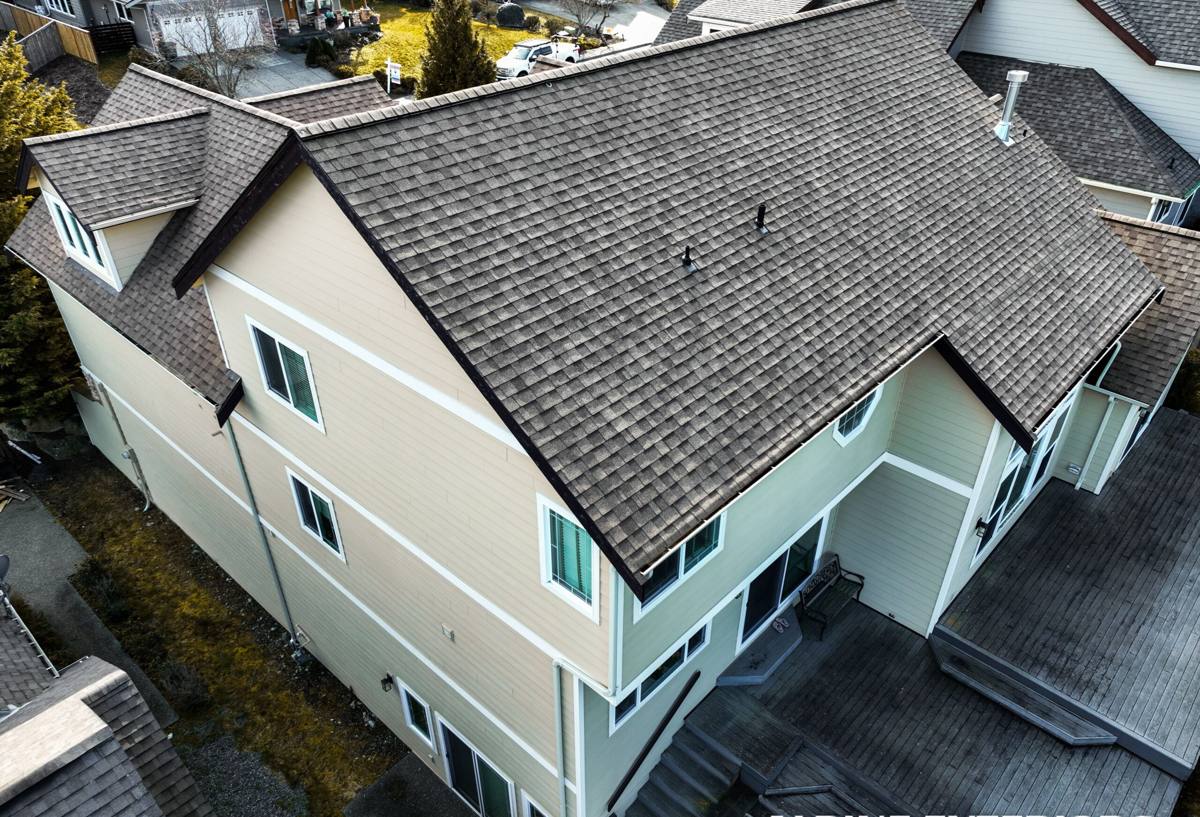
What the Silver Beach Climate Does to a Deck Over Time
Salt Air and Moisture
Proximity to Lake Whatcom means a near-constant low level of moisture in the air, and in some spots enough mineral and salt content to accelerate corrosion on exposed metal. Standard hardware-store fasteners and connectors can start rusting and staining the decking around them well before the wood itself is due for attention. Once a fastener starts to corrode, it loses holding strength — which is a structural issue, not just a cosmetic one.
Driving Rain
Storms coming off the lake don't fall straight down — wind pushes rain sideways into ledger boards, stair stringers, and any point where the deck attaches to the house. These are the areas most prone to hidden rot, because water gets driven into joints and seams that a straight-down rain would never reach.
Moss and Algae Season
Whatcom County's long wet season, roughly October through April, gives moss and algae plenty of time to establish on any deck surface that doesn't drain and dry quickly. Beyond looking bad, a mossy deck surface is a slip hazard, and moss holds moisture against the decking material, which shortens its life whether it's wood or composite.
What a Correctly Built Deck Looks Like Here
None of the issues above are unusual or unsolvable — they're just things a deck has to be designed for from the start, not patched later. A properly built Silver Beach deck accounts for:
- Corrosion-resistant fasteners and structural connectors rated for coastal or high-moisture exposure, not standard interior-grade hardware
- Proper flashing at the ledger board where the deck meets the house, so wind-driven rain can't work its way behind the siding
- Decking material and gap spacing that lets water shed quickly instead of pooling
- Joist and beam sizing that accounts for our snow load and wet-wood weight, not just dry-lumber span tables
- A surface texture and drainage pattern that resists moss buildup and stays safer underfoot through the wet months
- Ventilation underneath the deck so structural framing can actually dry out between storms
Skip any one of these and the deck may look fine for a year or two before problems show up — usually as soft decking, rust streaks, or a slick green film that keeps coming back no matter how often it's pressure washed.
Decking Material Options for a Silver Beach Property
There's no single "right" material for every home — it depends on your budget, how much upkeep you want to do, and how the deck will be used. Here's how the common options compare for this specific climate:
| Material | How It Handles Moisture & Moss | Maintenance | Typical Lifespan Here |
|---|---|---|---|
| Pressure-treated wood | Resists rot when properly sealed; moss still grows on the surface film if not cleaned | Annual cleaning and re-sealing recommended | 15-20 years with upkeep |
| Cedar | Naturally rot-resistant, ages to a gray patina; needs oiling to keep original color | Periodic cleaning and oil/stain if color retention matters | 20-25 years with upkeep |
| Composite decking | Doesn't rot or absorb moisture; moss can still grow on the surface and needs washing off | Occasional washing, no sealing or staining | 25-30+ years, manufacturer-warrantied |
| PVC/capped polymer | Fully moisture-sealed surface, best resistance to staining and mineral buildup from lake-influenced air | Lowest — mostly occasional rinsing | 25-30+ years, manufacturer-warrantied |
We install all of these and will walk you through the honest trade-offs for your situation rather than pushing whichever product has the best margin. Composite and PVC cost more upfront but remove most of the moisture-related maintenance that wood requires in this climate. Wood costs less initially but only performs well if someone stays on top of cleaning and sealing.
A Note on Product Selection
We're selective about which decking lines we install. Some budget composite products have had documented moisture-absorption and warranty issues in wet Pacific Northwest climates specifically, and we'd rather steer a homeowner toward a product with a track record here than install something that looks the same in the showroom but behaves differently after two Whatcom County winters. If we recommend against a particular product line, it's because of how it performs in this climate, not brand preference.
Our Process for a Silver Beach Deck Project
1. On-Site Assessment
We look at your lot's specific exposure — how close you are to the lake, which direction storms typically hit the house from, existing drainage patterns, and whether an existing deck (if you have one) shows early signs of the moisture or corrosion issues common in this area.
2. Design and Material Selection
We talk through material options against your budget and how you actually plan to use the space — entertaining, grilling, a quiet spot to sit, stairs down to the water. We'll size framing and spacing decisions around both your design and Whatcom County's structural and moisture realities, not a generic template.
3. Permitting
Most new decks and significant deck replacements in Whatcom County require a building permit, particularly for elevated structures or anything attached to the house. We handle the permitting process so you don't have to chase it down yourself.
4. Construction
Ledger flashing, joist layout, corrosion-resistant hardware, and proper under-deck ventilation get built in from the framing stage — these aren't add-ons after the fact. Decking material goes down last, with attention to consistent gapping for drainage.
5. Final Walkthrough
We walk the finished deck with you, cover basic care for whatever material you chose, and make sure you know what routine maintenance (if any) it needs to hit its expected lifespan in this climate.
Why Local Experience Matters for This Job
A deck builder who mostly works drier inland areas may not think twice about fastener grade, ledger flashing detail, or moss-resistant surface texture — because in their usual conditions, it doesn't matter as much. Around Lake Whatcom, those details are the difference between a deck that's still solid in fifteen years and one that needs major repair in five.
Working regularly in Sudden Valley and Silver Beach also means we already have a working sense of typical lot layouts, elevation changes down toward the water, and how storms tend to move through this part of Whatcom County — so less of your project is guesswork.
Signs Your Existing Deck May Need Attention
If you already have a deck and aren't sure whether it needs repair or full replacement, a few signs are worth checking for before the situation gets worse:
- Soft or spongy spots when you walk across the decking
- Rust streaks running down from screws, bolts, or metal connectors
- Persistent moss or algae that comes back within weeks of cleaning
- Gaps or separation where the deck meets the house
- Wobble in the railing or stair stringers
- Visible daylight or gaps in flashing at the ledger board
Some of these are simple repairs; others point to structural issues that are cheaper to address now than after another wet season. A quick on-site look can usually tell the difference.
What Affects the Cost of a Silver Beach Deck
Every project is different, but the main cost drivers are fairly consistent: overall square footage, height off the ground (elevated decks need more structural support and railing), material choice, stairs and railings, and any custom features like built-in seating or a pergola. Wood decks generally cost less upfront than composite or PVC, but factor in the ongoing cost of sealing and staining over the deck's life when comparing totals. We'll give you a clear, itemized estimate before any work starts — no surprise add-ons partway through the job.
If you're planning a new deck or need to replace one that's showing its age, we're happy to come take a look and walk you through your options. Reach out for a free, no-pressure estimate using the form below.