 Sudden Valley Siding
 Roofing in Deming Isn't the Same Job as Roofing Somewhere Dry
Deming sits in the same wet, green stretch of Whatcom County as Sudden Valley, and the roofs here take a beating that most manufacturers' warranty language never quite accounts for. It's not one dramatic storm that wrecks a roof out here — it's the accumulation. Months of driving rain that finds every weak seam. A marine-influenced air mass that carries moisture and salt-tinged humidity up the valleys off the Sound and keeps organic growth active longer than it would in a drier climate. And a moss season that, honestly, barely ends. By the time a homeowner notices a problem, the underlayment or decking underneath has usually been dealing with it for a while.
A "new roof" installed correctly for this area isn't just shingles nailed to plywood. It's a system — decking, underlayment, ventilation, flashing, and the right surface material — built specifically to shed constant moisture and resist moss and algae rather than just survive them for a season or two. That's the standard we hold every Deming installation to.
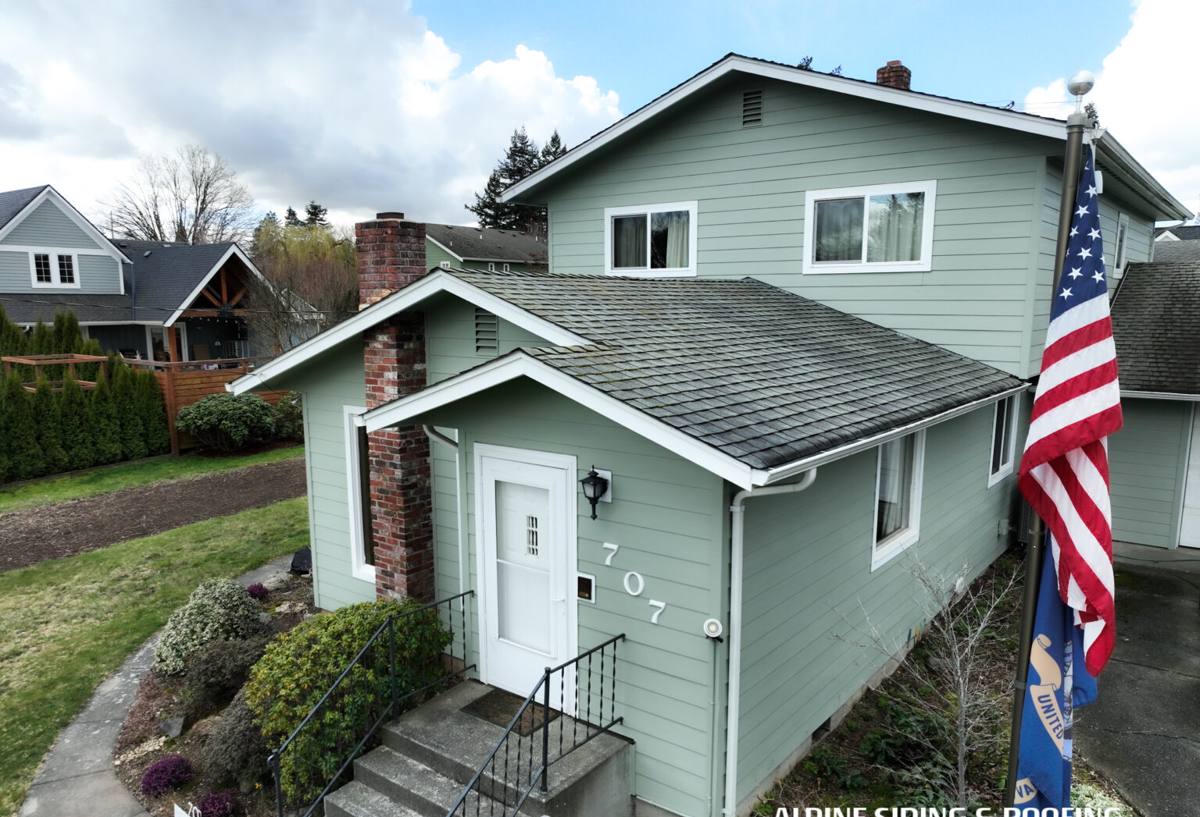
What the Local Climate Actually Does to a Roof
Driving Rain
Wind-driven rain doesn't just fall straight down — it pushes up under shingle tabs, around vents, and into flashing laps that would be fine in calmer weather. Roofs here need tighter fastening patterns, properly lapped underlayment, and flashing details that assume water will try to travel sideways and upward, not just down.
Moss and Algae
Shade, moisture, and mild temperatures are exactly what moss wants, and Whatcom County gives it all three for most of the year. Moss doesn't just look bad — its root structure works into shingle granules and seams, holding water against the roof surface long after the rest of the neighborhood has dried out. Left alone, that moisture retention shortens the life of almost any roofing material.
Marine Air and Humidity
The persistent damp, salt-tinged air common to this part of Washington accelerates corrosion on unprotected metal fasteners, flashing, and vent components. It also means roof assemblies need real ventilation — trapped humidity in an attic space feeds mold and rot from the inside, not just moss growth from the outside.
Signs a Deming Home Is Due for a New Roof
Roofs rarely fail all at once. These are the signs we see most often on service calls in this area before a full failure happens:
- Granules collecting in gutters or at downspout outlets — a sign the shingle surface is wearing thin
- Dark streaking or thick moss mats, especially on north-facing slopes that stay shaded
- Soft spots or noticeable give when walking the roof (decking has taken on moisture)
- Curling, cupping, or cracked shingles, particularly on older asphalt roofs
- Daylight visible through the attic decking, or damp insulation below the roofline
- Interior ceiling stains that come and go with heavy rain rather than staying constant
- A roof approaching or past its rated lifespan, especially if the original installation skipped proper ventilation
Any one of these on its own might just mean a repair. Several together, or a roof already past 18-20 years old, usually means replacement is the more honest recommendation — patching a roof that's structurally tired just delays a bigger repair bill later.
What a Correct New Roof Installation Includes
A lot of roofs fail early not because the shingles were bad, but because something underneath them was skipped. For this climate, we treat these as non-negotiable parts of the job, not upgrades:
Decking Inspection and Repair
Before anything new goes down, the deck gets inspected for soft, delaminated, or water-damaged plywood or sheathing. Installing new roofing over compromised decking just hides the problem — it doesn't solve it.
Ice-and-Water or Synthetic Underlayment
Given how much wind-driven rain this area sees, we pay particular attention to underlayment at eaves, valleys, and any low-slope transitions — the places water is most likely to be pushed backward under the roof surface.
Flashing at Every Penetration
Chimneys, skylights, vent pipes, and wall-to-roof transitions are where the majority of leaks actually start, not in the open field of shingles. New flashing, properly stepped and lapped, matters more to long-term dryness than the shingle brand itself.
Balanced Attic Ventilation
Intake at the eaves, exhaust at the ridge, sized to move air through the whole attic space — not just a token vent or two. Good ventilation keeps the underside of the deck dry and keeps moss-feeding condensation from forming from the inside out.
Fastening Built for Wind and Rain
Correct nail placement and pattern, driven flush (not overdriven, which is a common shortcut that weakens shingle hold in wind), following manufacturer specs for the wind and rain exposure this area actually gets.
Choosing a Roofing Material for This Climate
There's no single "best" roof for every home — it depends on budget, roof pitch, how much shade the property gets, and how much long-term maintenance the homeowner wants to take on. Here's how the common options compare for Deming and Sudden Valley conditions specifically:
| Material | Moss/Moisture Resistance | Typical Lifespan Here | Maintenance Needs |
|---|---|---|---|
| Standard 3-tab asphalt | Lower — flat profile holds moisture and debris | 15-20 years | Regular moss treatment recommended |
| Architectural (dimensional) asphalt | Moderate — better water shedding profile | 25-30 years | Occasional cleaning, algae-resistant granule option available |
| Metal (standing seam or panel) | High — smooth surface sheds water and resists moss growth | 40-50+ years | Low; periodic fastener and seam check |
| Cedar shake | Lower without diligent upkeep — organic material feeds moss | 20-30 years with maintenance | High — regular treatment and inspection required |
We install architectural asphalt and metal roofing most often in this area because they hold up best against the specific combination of rain volume and moss pressure Whatcom County homes deal with. We're generally cautious about recommending cedar shake for shaded Deming lots — it's a good-looking product, but the maintenance commitment needed to keep it performing well in a wet, shaded climate is significant, and we'd rather tell a homeowner that upfront than sell a roof that becomes a maintenance burden.
Our Installation Process
- On-site inspection and estimate. We walk the roof, check the attic, and look at decking condition before quoting anything — not just a drive-by guess from the ground.
- Material selection. We go over the tradeoffs in the table above based on your budget, roof pitch, and how much shade the property gets.
- Tear-off and decking inspection. Old roofing comes off completely so the deck can actually be assessed and repaired where needed — no roofing over existing layers.
- Underlayment and flashing installation. This is where most of the long-term water resistance actually comes from, and it's where we spend the most careful attention.
- Ventilation installation or correction. Intake and exhaust venting are balanced for the attic's actual size and airflow needs.
- Roofing material installation. Installed to manufacturer spec for wind and rain exposure, not a generic nailing pattern.
- Final walkthrough. We review the finished roof, ventilation, and any warranty paperwork with you directly.
Why It Matters That We Already Work in Deming
A crew that already works Deming and the greater Sudden Valley area isn't guessing at how this climate treats a roof — we're seeing it on service calls year-round. That matters for a few practical reasons. We know which slopes and tree-shaded lots in this area tend to hold moss longest and need extra attention to ventilation and material choice. We're not learning wind-driven rain behavior for the first time on your roof. And because we're local, warranty callbacks and follow-up questions don't mean waiting on a crew that has to drive in from out of the area — we're already here.
It also means honest scoping. We're not incentivized to sell a bigger job than a home needs, and we're not going to recommend a roofing product that looks good on paper but isn't suited to how wet and shaded this specific area gets.
Protecting the Roof After Installation
A correctly installed roof still benefits from basic upkeep in this climate. A few habits go a long way toward getting full lifespan out of a new roof:
- Keep gutters and downspouts clear so water isn't backing up under eave edges
- Trim back overhanging branches to reduce shade and debris buildup that feeds moss
- Have moss growth treated early, before it establishes a thick mat
- Schedule a visual roof check after major windstorms, especially for flashing and ridge lines
- Watch attic insulation for dampness, which can signal a ventilation issue before it shows up as a leak
None of this replaces professional inspection, but it catches small issues while they're still small — which is a lot cheaper than catching them after they've become a decking or interior repair.
Get a Straight Answer on Your Roof
If you're seeing moss buildup, granule loss, or a roof that's simply getting old on a Deming or Sudden Valley property, it's worth getting an honest, on-site look before deciding between repair and replacement. We're happy to walk the roof, explain what we find, and give you a clear estimate with no pressure attached — just a free consultation using the form below.