 Sudden Valley Siding
 Asphalt Shingle Roofing Built for Yew Street's Conditions
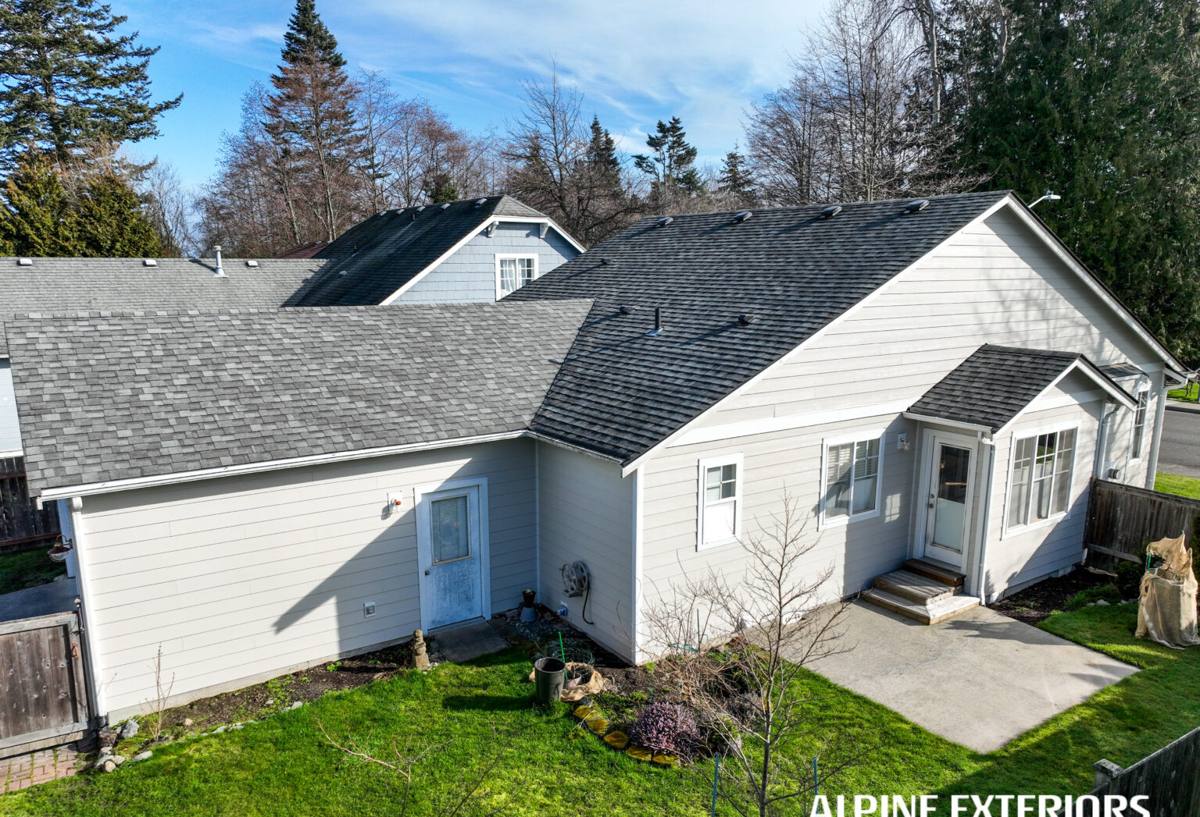
Yew Street homes sit inside one of the toughest micro-climates a roof deals with in Whatcom County. You've got Lake Whatcom moisture hanging in the air most mornings, wind-driven rain coming off the water during fall and winter storms, and tree cover dense enough that moss and organic debris are a year-round fight rather than a seasonal chore. A roof that's fine on a dry, open lot ten miles away can wear out fast here if it wasn't built with this specific combination of exposures in mind. Asphalt shingle roofing remains the most practical, cost-effective option for the large majority of homes in this neighborhood — but only when the details are handled correctly for local conditions.
This page covers what that actually means: the shingle and underlayment choices that hold up on Yew Street, how we approach tear-offs and installs on the tree-shaded lots common in this part of Sudden Valley, and what ongoing moss and moisture management looks like once the new roof is on.
Why Yew Street Roofs Wear Differently Than Roofs Elsewhere in Whatcom County
Salt Air and Moisture
Proximity to Lake Whatcom and the general marine influence of Western Washington means metal fasteners, flashing, and lower-grade shingle granules corrode and degrade faster here than in drier inland climates. It's not the coastal salt spray you'd see right on Bellingham Bay, but the persistent humidity and moisture cycling still accelerates wear on anything not rated for it.
Driving Rain
Sudden Valley catches wind off the lake and the surrounding hills, and that means rain doesn't always fall straight down — it gets pushed sideways under shingle tabs, around ridge caps, and into any flashing detail that's slightly undersized or poorly lapped. A roof system that only handles vertical rainfall well will eventually leak here, usually at the valleys, chimney flashing, or wall step-flashing first.
Moss Season
The tree canopy that makes Yew Street shaded and pleasant also means shingles stay damp longer after every rain and get less direct sun to dry out. That's exactly the environment moss and algae need. Left unmanaged, moss lifts shingle tabs, holds water against the roof deck, and shortens the life of even a good shingle by years.
What a Correct Asphalt Shingle Job Looks Like Here
A roof that's going to hold up on Yew Street isn't just "shingles nailed to a deck." It's a system, and every layer matters:
- Deck inspection and repair — any soft, delaminated, or water-stained sheathing gets replaced before a single shingle goes down. Roofing over a compromised deck just hides the problem.
- Ice-and-water shield at vulnerable points — valleys, eaves, and around penetrations get self-adhering waterproof membrane, not just standard felt, given how much wind-driven moisture this area sees.
- Synthetic underlayment across the field — more tear-resistant and more consistent at shedding moisture than old-style felt, especially useful during the multi-day installs that shaded, damp lots sometimes require.
- Proper flashing at every transition — chimneys, skylights, sidewalls, and dormers are common leak points, and they're where driving rain finds weak details fastest.
- Balanced attic ventilation — intake at the eaves and exhaust at the ridge, sized to the attic volume, so moisture doesn't get trapped under the deck and shorten shingle life from underneath.
- Algae-resistant shingles — most major manufacturers now build copper-containing granules into their shingle lines specifically to slow moss and algae growth. Given the tree cover on Yew Street, we treat this as standard, not an upgrade.
Choosing the Right Shingle for This Property Type
Not every asphalt shingle line is built the same, and the right pick depends on your specific lot's sun exposure, tree cover, and how the home is oriented to prevailing wind and rain.
| Shingle Type | Best Fit For | Trade-Offs to Know |
|---|---|---|
| Standard 3-tab | Budget-conscious re-roofs, secondary structures | Shorter lifespan under heavy moss/moisture exposure; least wind resistance |
| Architectural (laminated) | Most Yew Street homes — better wind and moisture performance | Higher upfront cost than 3-tab, but longer real-world service life here |
| Algae-resistant architectural | Heavily shaded, tree-covered lots | Slight cost premium; significantly reduces moss/algae staining and lift over time |
| Impact-rated architectural | Homes wanting added durability against falling debris from tree cover | Higher material cost; may qualify for insurance discounts in some cases |
For most homes in this neighborhood, we steer clients toward algae-resistant architectural shingles as the practical middle ground — the moss-fighting granules and the added wind/moisture performance both directly address what this specific location throws at a roof.
Our Process for a Yew Street Re-Roof
1. On-Site Assessment
We walk the roof and the attic, not just the ground. We're checking current shingle condition, deck integrity, ventilation, flashing details, and how much moss or debris buildup is already affecting the surface. Tree-heavy lots often need extra attention to gutter and valley clearing before we can even fully assess the roof underneath.
2. Honest Scope and Estimate
You get a written scope covering tear-off, deck repair contingencies, underlayment and flashing plan, shingle selection, and ventilation work — no vague "roofing package" line items. If something looks like it may need deck repair once we're into the tear-off, we tell you that up front as a possibility, not as a surprise change order later.
3. Tear-Off and Deck Prep
Full tear-off to bare deck on most jobs — layering new shingles over old is a shortcut we don't recommend on homes dealing with this much moisture exposure, since it traps problems instead of finding them. Damaged sheathing gets replaced on the spot.
4. Installation
Ice-and-water membrane at valleys and eaves, synthetic underlayment across the field, new flashing at every penetration and wall transition, then shingles installed to manufacturer nailing and exposure specs — which matters directly for wind and warranty performance in a windy lakeside setting.
5. Cleanup and Walkthrough
Magnetic sweep for nails, full site cleanup, and a walkthrough so you understand what was done and what basic maintenance (like periodic moss treatment) will keep it performing over the years ahead.
Why a Crew That Already Works Yew Street Matters
Roofing crews that mostly work drier, more open parts of Whatcom County can underestimate what tree cover and lake moisture do to a roof over time. A crew that already works Yew Street knows which details tend to fail first on these lots — usually valleys, chimney flashing, and moss-choked eaves — and builds the install to address those specific weak points rather than following a generic checklist. That local pattern-recognition is the difference between a roof that needs attention again in five years and one that goes the full distance of its expected life.
Maintenance That Actually Matters Here
A correctly installed roof still needs a bit of upkeep in this environment. The items below matter more on Yew Street than they would on a drier, sunnier lot:
- Keep gutters and valleys clear of needles and leaf litter — clogged valleys are where driving rain finds its way under shingles.
- Have moss treated or gently removed before it thickens — don't pressure-wash shingles, which strips granules and shortens their life.
- Trim overhanging branches where reasonable to increase sun exposure and airflow across the roof surface.
- Check attic ventilation isn't blocked by insulation or debris — trapped moisture damages a deck from underneath, invisible from the yard.
- Have flashing and valleys inspected after major wind events, since that's where driving rain does its damage first.
What Affects Your Cost
Every Yew Street roof is a little different, but the same handful of factors drive most of the price variation we see:
| Factor | Why It Matters |
|---|---|
| Roof size and pitch | More surface area and steeper pitches mean more material and labor time |
| Deck condition | Rot or delamination found during tear-off adds material and labor to replace sheathing |
| Shingle line chosen | Standard 3-tab, architectural, and algae-resistant lines carry different material costs |
| Number of penetrations | Chimneys, skylights, and vents each need individual flashing work |
| Access and tree cover | Tight or heavily treed lots can slow tear-off and material staging |
We don't quote from a distance — accurate numbers come from actually seeing the roof and attic first.
Ready for a Straightforward Look at Your Roof?
If your Yew Street home's roof is showing moss buildup, curling shingles, or you're just past due for an honest inspection, we're glad to take a look. There's no pressure and no sales script — just a straight assessment of where things stand and what your options actually are. Use the form below to request a free estimate.