 Sudden Valley Siding
 Roof Replacement Built for Edgemoor's Weather, Not a Generic Spec Sheet
Edgemoor sits close enough to the water that salt-laden air is a daily fact of life, and close enough to the Cascades' rain shadow edge that "a little drizzle" can mean weeks of steady, low-intensity moisture. That combination is hard on roofs in ways that don't show up in a national roofing brochure. We've replaced and repaired roofs throughout the Sudden Valley area long enough to know which failure patterns are local and predictable, and which shortcuts cause callbacks two winters later. This page covers what a roof replacement actually involves here, what separates a correct install from a rushed one, and how our process works from first call to final walkthrough.
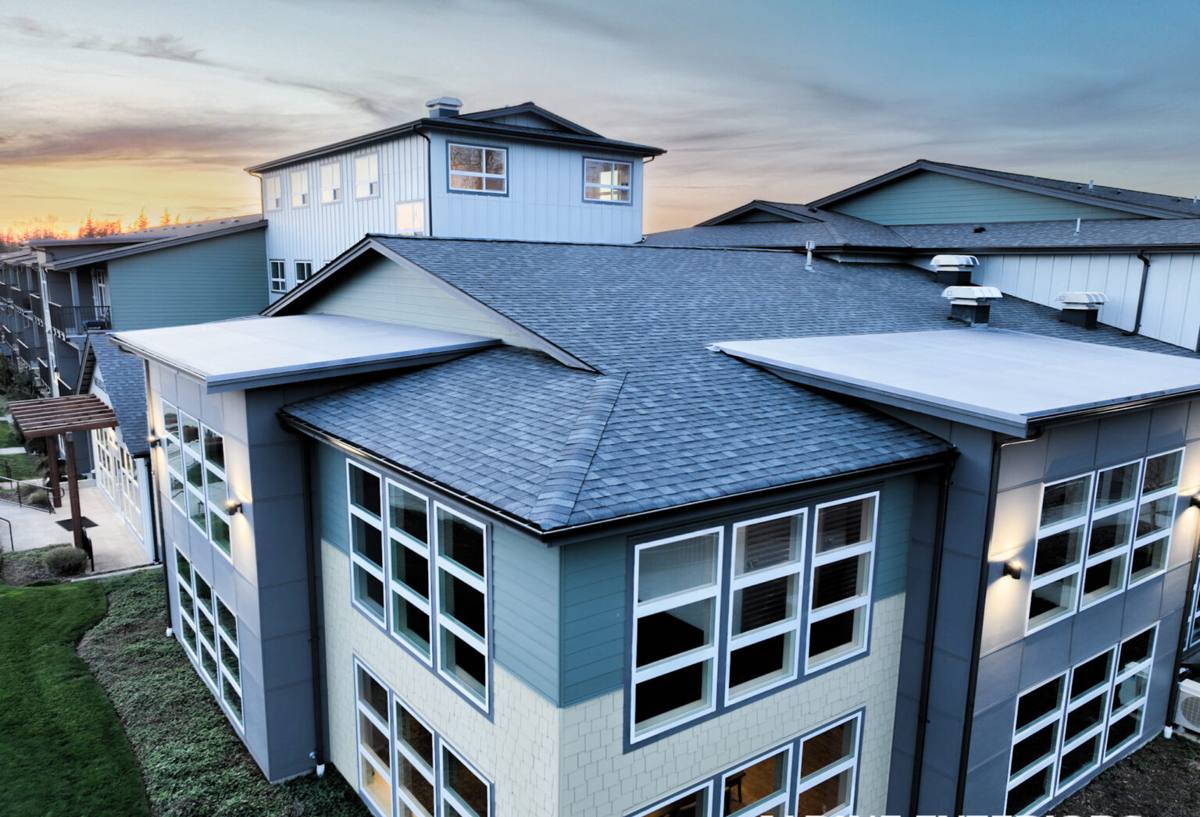
What Edgemoor's Climate Actually Does to a Roof
Three environmental factors drive almost every early roof failure we see in this part of Whatcom County:
Salt Air and Metal Fatigue
Proximity to Bellingham Bay means airborne salt settles on every exterior surface, including roofing. Uncoated or poorly coated metal flashing, fasteners, and vent stacks corrode faster here than they would inland. Once a fastener head rusts through, it stops sealing — and a roof doesn't leak through the shingles nearly as often as it leaks through the metal details around them.
Driving Rain
Storms off the Strait don't always arrive straight down. Wind-driven rain gets pushed sideways under poorly lapped shingles, around loose ridge caps, and through undersized or clogged valleys. A roof that would perform fine in a calmer climate can leak here simply because the underlayment and flashing weren't detailed for wind-blown water.
Moss and Prolonged Dampness
Western Washington's moss season runs long — shaded, north-facing slopes and roofs under overhanging conifers stay damp for months at a stretch. Moss doesn't just look bad; its root structure lifts shingle edges, holds moisture against the roof deck, and accelerates granule loss. Left unchecked for several seasons, moss can shave meaningful years off a roof's service life.
None of this means Edgemoor roofs are doomed to fail early. It means the materials, fasteners, and installation details have to be chosen with these three factors in mind, from the deck up.
Signs an Edgemoor Roof Needs Replacement, Not Another Repair
- Granules collecting in gutters and downspouts, or shingles that look "bald" in patches
- Shingles that are curling, cupping, or cracking, especially on south- and west-facing slopes
- Persistent moss or dark streaking that returns within a season of cleaning
- Rusted, lifted, or missing flashing around chimneys, skylights, and roof-to-wall transitions
- Daylight visible through the roof deck from the attic, or damp insulation after storms
- A roof that's 20+ years old with no record of underlayment or flashing upgrades
- Multiple past repairs in different spots — a sign the roof is failing broadly, not locally
A patch can buy time for one or two of these. When several show up together, it's usually cheaper long-term to replace than to keep chasing individual leaks.
What a Correct Roof Replacement Includes
A roof replacement is more than swapping old shingles for new ones. The parts that actually determine how well a roof holds up in this climate are mostly invisible once the job is done:
Tear-Off and Deck Inspection
We remove the existing roofing down to the deck rather than layering over it, because layering hides deck rot and voids most manufacturer warranties. Any soft, delaminated, or water-stained sheathing gets replaced before anything new goes down — skipping this step is the single most common cause of "new roof, same leak" complaints.
Underlayment Suited to Wind-Driven Rain
Given how much driving rain this area sees, we use synthetic underlayment across the field and self-adhered ice-and-water membrane at vulnerable zones — eaves, valleys, and around roof penetrations — where wind can push water uphill under standard felt.
Corrosion-Resistant Flashing and Fasteners
Because of the salt air, we don't treat flashing and fastener material as an afterthought. Properly coated or stainless-grade metal at chimneys, sidewalls, and vent stacks costs more up front but avoids the early corrosion failures that plain galvanized components see near the water.
Ventilation That Matches the Moss and Moisture Load
A roof deck that can't breathe stays damp longer, which feeds moss growth and accelerates shingle aging from underneath. We check that intake and exhaust venting are balanced for the attic space, not just present, before closing the job out.
Valleys and Transitions Detailed for Volume, Not Just Appearance
Valleys carry a disproportionate share of a roof's water. We size and flash them for the rainfall this area actually gets, not the minimum code allows.
Choosing Materials for an Edgemoor Home
There's no single "right" roofing material for every house — it depends on the roof's exposure, slope, and how much moss and salt exposure it will see. Here's how the common options compare for this specific environment:
| Material | Performance in Salt Air / Rain | Moss Resistance | Typical Lifespan Here |
|---|---|---|---|
| Architectural asphalt shingle | Good with proper flashing; standard choice locally | Moderate — benefits from algae-resistant granules and periodic cleaning | 20–30 years |
| Metal (standing seam or coated panel) | Excellent when properly coated/fastened; sheds water fast | High — sheds moisture, little for moss to root into | 40–50+ years |
| Cedar shake | Fair; needs diligent maintenance near salt air | Low without regular treatment — retains moisture | 20–30 years with upkeep |
| Synthetic composite shingle | Good; resists corrosion since it's non-metallic | Moderate to high depending on product | 30–50 years |
We don't push one product line as a default. We do avoid recommending untreated cedar shake in heavily shaded, damp Edgemoor lots — not because the material is defective, but because its maintenance burden (regular cleaning and treatment to resist moss and rot) is a real ongoing cost that catches homeowners off guard if nobody explains it up front. If a homeowner wants shake and understands that upkeep, we'll install it correctly; we just make sure that trade-off is on the table before a decision gets made.
Our Roof Replacement Process
1. On-Site Assessment
We inspect the existing roof, attic ventilation, and any trouble spots (valleys, chimneys, shaded slopes) in person. This is also when we check for deck damage indicators before quoting, so the estimate reflects reality rather than a guess.
2. Written Estimate and Material Walkthrough
We explain material options, what's driving the price difference between them, and what's included — tear-off, disposal, underlayment grade, flashing material, and ventilation work. No surprise add-ons mid-project for anything we could have identified during inspection.
3. Scheduling Around Weather
Given how much of the year sees rain here, we schedule tear-off and dry-in carefully and use appropriate weather protection if a system moves in mid-project. We don't leave a deck exposed overnight if it can be avoided.
4. Tear-Off, Deck Repair, and Installation
Old roofing comes off, the deck gets inspected and repaired as needed, and the new system goes on in the sequence that actually protects the house: underlayment, flashing, field material, ridge, and ventilation components.
5. Cleanup and Final Walkthrough
We magnet-sweep for stray nails, haul away old material, and walk the finished roof with the homeowner so questions get answered on-site rather than after the crew is gone.
What to Check Before Hiring Anyone for a Roof in This Area
- Do they carry current Washington contractor licensing and liability insurance, and will they show proof without being asked twice?
- Do they inspect the attic and deck before quoting, or only the surface from the ground?
- Do they specify underlayment and flashing materials in writing, not just "shingle brand and color"?
- Can they explain how they'll handle valleys, chimney flashing, and ventilation — the parts that actually leak?
- Do they have recent, verifiable local work in Whatcom County, where salt air and moss are a known factor?
- Is the warranty structure (manufacturer material warranty vs. contractor workmanship warranty) explained clearly, not bundled together vaguely?
A crew that hasn't worked in salt-air, high-moss climates before isn't necessarily bad — but they may not think to spec corrosion-resistant fasteners or extra membrane at the eaves unless it's already part of their standard practice. That's the practical value of hiring locally: it's baked into how the job gets bid, not an upsell added later.
Maintenance That Extends a New Roof's Life in Edgemoor
A correctly installed roof still benefits from basic upkeep given the local climate:
- Clear gutters and valleys of debris at least twice a year — clogged valleys are a common cause of interior leaks after heavy rain
- Have moss growth addressed early, before it lifts shingle edges — gentle removal methods protect granule coverage better than aggressive pressure washing
- Trim back overhanging branches where practical to reduce shade, debris, and prolonged dampness on the roof surface
- Schedule a flashing and fastener check every few years, especially around chimneys and vent stacks, given how salt air accelerates corrosion here
- Address minor leaks or lifted shingles promptly rather than waiting — small issues in this climate compound quickly
Why Local Experience on This Specific Job Matters
Roofing fundamentals are the same everywhere, but the details that determine whether a roof lasts 15 years or 35 in Edgemoor are shaped by Whatcom County's specific mix of salt air, wind-driven rain, and moss. We've built our standard specification — underlayment grade, flashing material, ventilation approach — around what actually holds up here, not around a generic national average. That's the difference between a roof that's technically installed correctly and one that's installed correctly for this address.
If your roof in Edgemoor or the greater Sudden Valley area is showing its age or you just want an honest read on its remaining life, we're happy to take a look. Reach out for a free, no-pressure estimate using the form below — there's no obligation, just a straight assessment of what your roof actually needs.