 Sudden Valley Siding
 Happy Valley's Siding Has a Harder Job Than It Looks
Homes in Happy Valley sit inside one of the wetter, more weather-exposed pockets of Sudden Valley, and the siding on those homes is doing more work than most owners realize. It isn't just there to look good between rainstorms — it's the only thing standing between a wall assembly and months of marine air, wind-driven rain, and shade-grown moss every single year. When siding is chosen or installed without that reality in mind, the problems don't show up immediately. They show up two, five, or ten years later, as soft trim, streaked paint, or sheathing that's been quietly absorbing moisture behind a wall that looked fine from the street.
This page is about one product, in one place: James Hardie fiber cement siding, installed correctly on Happy Valley homes in Sudden Valley. We don't install anything else, and after years of working on homes throughout Whatcom County's marine climate, we can tell you exactly why.
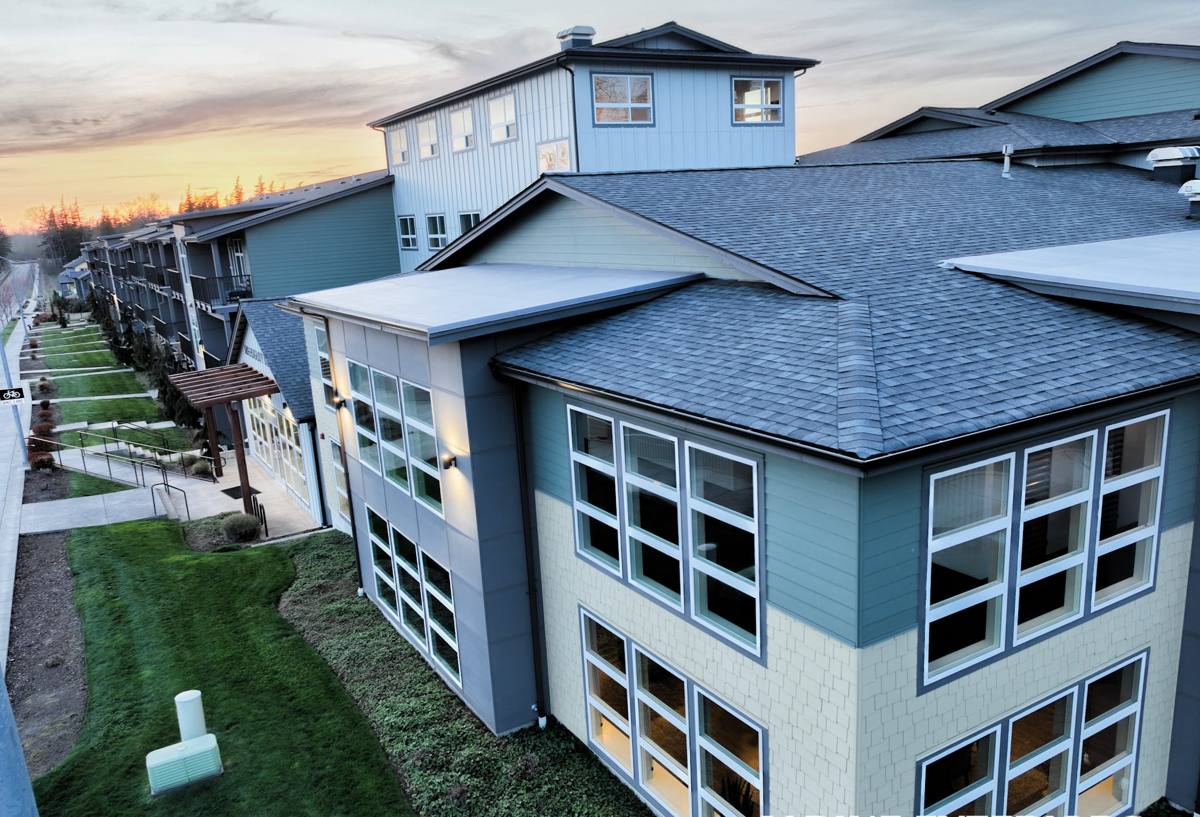
What Happy Valley Siding Is Actually Up Against
Salt-Laden Marine Air
Northwest Washington's marine climate pushes salt-tinged, moisture-heavy air well inland, and Happy Valley gets its share of it. Over time, that air is hard on anything with a painted-on finish rather than a factory-cured one, and it's hard on fasteners and trim details that weren't specified for a coastal-influenced climate to begin with.
Driving, Wind-Driven Rain
Rain here doesn't just fall straight down — it comes in sideways during fall and winter storms, which means it finds every gap, seam, and poorly lapped joint that vertical rain would never reach. Siding systems that rely on caulk and paint film alone to keep water out, instead of proper lapping, flashing, and drainage behind the cladding, tend to fail exactly where that wind-driven water concentrates: inside corners, window heads, and butt joints.
A Long Moss Season
Shade, humidity, and mild temperatures give moss and algae a long growing season on north-facing walls and anything tucked under trees — which describes a lot of lots in this part of Sudden Valley. Moss holds moisture against a wall surface far longer than open, sunlit siding does, which accelerates whatever weakness is already there in the material or the finish.
None of these three factors is dramatic on its own. Together, applied year after year, they're exactly the conditions that separate siding products that hold up from products that don't.
Why We Only Install James Hardie in This Climate
James Hardie fiber cement is cement, sand, and cellulose fiber — not wood, and not vinyl. That distinction matters directly for the three problems above:
- It doesn't rot or swell. There's no wood fiber core to absorb water and soften, so prolonged dampness from moss or driving rain doesn't compromise the board itself the way it can with wood-based siding.
- It's non-combustible. Fiber cement carries a Class A fire rating, which is a real consideration as wildfire smoke and dry-season fire risk have become more common even on the wet side of the state.
- The finish is factory-applied, not job-site painted. Hardie's ColorPlus finish is baked on under controlled conditions before the boards ever reach a truck, which gives it more consistent adhesion and better resistance to fading and moisture intrusion than a field-applied paint coat over primed material.
- It's engineered by climate zone. James Hardie formulates its HZ5 product line specifically for high-moisture, high-humidity regions like Western Washington, rather than selling one generic board nationwide.
James Hardie also backs its siding with a 30-year limited transferable warranty on the substrate, plus a separate finish warranty on factory-applied ColorPlus color — which matters to a future buyer if you ever sell the house, not just to you.
Hardie vs. the Alternatives Homeowners Ask About
We get asked why we won't install vinyl, LP SmartSide, or bare cedar in this area. Here's the honest comparison, not a sales pitch:
| Material | How It Handles Local Rain & Moss | Long-Term Trade-Off |
|---|---|---|
| James Hardie fiber cement | Doesn't absorb water into the board; factory finish resists moss staining better than field paint | Higher upfront cost, requires an installer who follows Hardie's fastening and clearance specs |
| Vinyl | Sheds water but relies entirely on lap joints and house wrap behind it; can warp in temperature swings | Color is molded-in and fades unevenly; damaged panels are hard to color-match years later |
| LP SmartSide (wood strand) | Engineered wood core is more moisture-resistant than raw lumber but still wood-based | Cut edges and fastener penetrations need diligent sealing to keep moisture out over time |
| Bare or primed cedar | Attractive but absorbs moisture readily; moss and mildew take hold faster on shaded walls | Needs recurring refinishing on a cycle most owners underestimate |
Every one of those products can be installed well and can look good for years. Our decision to standardize on James Hardie isn't a claim that the others are junk — it's that after weighing maintenance burden, moisture behavior, and long-term appearance against this specific climate, Hardie is the one product we're comfortable putting our name behind on every job.
What a Correct Hardie Installation Involves
The product only performs as designed if the installation matches James Hardie's published fastening and clearance requirements — and this is where a lot of the real-world siding failures we get called out to inspect actually start. A correct Happy Valley installation includes:
Behind the Siding
A drainable weather-resistive barrier and, ideally, a rainscreen gap so any water that does get past the cladding can drain and dry instead of sitting against the sheathing. This step is invisible once the job is done, which is exactly why it's the step that gets skipped by installers trying to save time.
At the Joints and Openings
Correct minimum clearances at grade, decks, and roof lines; proper head flashing over windows and doors; and kickout flashing wherever a roofline meets a wall, so runoff is directed into the gutter instead of down behind the siding. These details matter more here than in a dry climate, because wind-driven rain will find any shortcut.
Fastening and Finish
Hardie specifies fastener type, spacing, and embedment depth, and specifies which joints get factory-caulked versus field-caulked. Following that spec — not "close enough" — is what keeps the factory finish and the warranty intact.
A checklist we run through on every Happy Valley project before we call the siding done:
- Old siding and damaged sheathing fully removed and inspected, not covered over
- Weather-resistive barrier installed and lapped correctly, with a drainage plane behind the cladding
- Proper flashing at every window, door, and roof-to-wall intersection
- Correct minimum clearance maintained at grade, decks, and patios
- Fasteners at Hardie's specified spacing and depth — not overdriven, not underdriven
- Joints and seams sealed per Hardie's guidelines, using a compatible sealant
- Trim and color match confirmed against the ColorPlus palette before install begins
Our Process on a Happy Valley Project
Every job starts with a walk-around of the existing siding and trim, looking specifically for the moisture damage patterns common in this area — soft trim near ground level, staining under roof intersections, and moss buildup on shaded elevations. From there:
- We remove the existing siding and inspect the sheathing underneath, repairing or replacing any wood that's already compromised before anything new goes up.
- We install or correct the weather-resistive barrier and flashing details, since this hidden layer is what actually keeps water out long-term.
- We install the James Hardie panels or lap siding per manufacturer spec, with attention to the fastening, clearance, and sealant details above.
- We finish trim, corners, and color-matched accessories, and do a final walk-through so you know exactly what was done and why.
Cost Factors for a Happy Valley Hardie Project
Every home is different, but the same handful of factors drive most of the price variation we see on Sudden Valley homes:
| Factor | Why It Matters |
|---|---|
| Removal of existing siding | Tear-off and disposal, plus any sheathing repair found underneath, adds labor before new siding starts |
| Home size and wall complexity | More corners, gables, and dormers mean more cutting, flashing, and trim detail |
| Product line and profile | Lap siding, panel siding, and shingle-style Hardie products carry different material and labor costs |
| Access and site conditions | Steep lots, tree cover, and limited staging area — common around Lake Whatcom — can slow the work |
| Existing moisture damage | Rotted sheathing or framing found during tear-off has to be addressed before siding goes back on |
We give a firm number after that initial walk-around, not a phone-quote guess, because the tear-off and sheathing condition are the two things that most often move the price.
Living With Hardie Siding in This Climate
Part of what we like about recommending Hardie here is how little ongoing maintenance it actually asks for compared to wood-based options. That said, "low-maintenance" isn't "no-maintenance," especially with a long moss season working against you:
- Rinse the siding once or twice a year with a garden hose to keep organic buildup from taking hold, especially on shaded, north-facing walls
- Keep gutters clear so overflow doesn't run down the face of the siding during heavy rain
- Trim back vegetation and tree limbs that keep a wall section shaded and damp
- Check caulked joints periodically and have any cracked or missing sealant redone before it becomes a water path
- Address any moss on trim or fascia promptly rather than letting it spread onto the siding field
Why It Matters That We Already Work in Sudden Valley
A lot of siding problems in this community trace back to work done by crews unfamiliar with what this specific microclimate demands — details that matter here get skipped because they'd be optional somewhere drier. Working in Sudden Valley regularly means we already know the moisture patterns, the moss pressure on shaded lots, and the flashing details that actually hold up through a Whatcom County winter. Many Sudden Valley properties also fall under community association exterior guidelines, so it's worth confirming your HOA's requirements before a project starts — we're glad to help you sort out what applies to your home.
If you're weighing a siding replacement in Happy Valley and want a straight answer about condition, scope, and cost, we're happy to walk the property with you. There's no cost and no pressure for a James Hardie estimate — just a clear look at what your home actually needs.