 Sudden Valley Siding
 Siding Wear in Geneva Looks Different Than Most Neighborhoods
Geneva sits in a pocket of Whatcom County where lake moisture, coastal salt air, and heavy seasonal rain all overlap. Homes here don't fail the same way a house in a dry inland subdivision does. Instead of one obvious problem, siding in this area usually shows several small ones at once — a little moss on the north wall, some soft trim near a downspout, paint that's chalking faster than it should. Individually those look minor. Together, they're usually a sign the siding system underneath has been absorbing moisture for years.
Replacing siding in Geneva isn't just a cosmetic project. Done right, it's a chance to correct water management problems that have been quietly working on the house since it was built, and to put a product on the walls that's actually engineered for this climate instead of one that's just tolerating it.
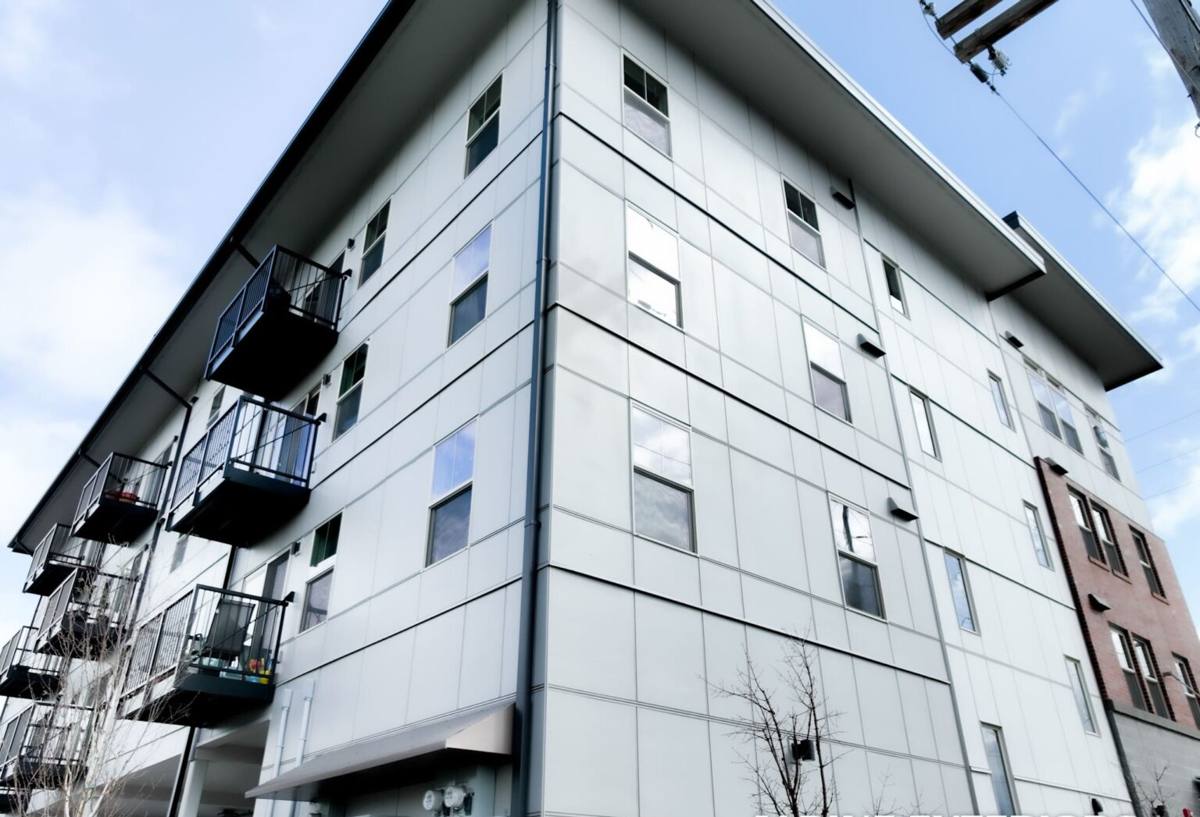
What Whatcom County Weather Does to Siding Over Time
Salt Air
Even set back from open water, homes in the Sudden Valley and Geneva area get enough salt-laden air off the Puget Sound weather systems to accelerate corrosion on fasteners, flashing, and any exposed metal trim. Salt air doesn't just affect coastal-front homes — it travels, and it settles into whatever siding has the most surface texture and the least protective finish.
Driving Rain
This part of Whatcom County doesn't just get rain, it gets wind-driven rain that hits siding at an angle instead of falling straight down. That matters because it pushes water into laps, seams, and butt joints that a vertical rain would never reach. A siding system with weak seams or poor water-shedding design will take on moisture in exactly these spots, even if the surface looks fine.
A Long Moss Season
Shade, humidity, and mild temperatures give moss and algae a long growing window here — often close to year-round on north- and east-facing walls that don't get much direct sun. Moss holds moisture against the siding surface far longer than open air would, which is why the same wall that looks "just dirty" is often the one with the earliest signs of substrate softening underneath.
Signs a Geneva Home Needs Siding Replacement, Not Just Repair
Not every siding issue means a full replacement. But there's a point where patching becomes a waste of money because the underlying material or water barrier is already compromised. Look for:
- Soft or spongy spots when you press on the siding, especially near the bottom courses and around window trim
- Paint that's peeling, bubbling, or needing repainting far more often than it used to
- Persistent moss or algae that comes back within a season or two of cleaning
- Visible warping, cupping, or delamination of siding panels or lap boards
- Gaps opening up at seams, corners, or trim joints
- A musty smell or visible staining on interior walls that back up to exterior siding
- Siding that's original to a home built more than 20-25 years ago, particularly wood-based products
If you're seeing two or more of these at once, that's usually the point where a full replacement costs less over the next decade than continuing to chase repairs.
What a Correct Siding Replacement Actually Involves
Siding replacement is often sold as a cosmetic upgrade, but the real work — and the real value — is in what goes on underneath the visible surface. A correct job in a climate like this includes:
- Full tear-off of the old siding down to the sheathing, not installation over existing material
- Sheathing inspection and repair for any rot or soft spots found once the old siding is off
- A continuous water-resistive barrier installed correctly, with proper overlaps and no gaps
- Correct flashing at every window, door, and roofline intersection, integrated with the barrier rather than just caulked over it
- Proper fastening matched to the siding manufacturer's specifications, not generic nailing patterns
- Rain-screen or drainage gap detailing where called for, so any moisture that does get behind the siding has somewhere to go
- Factory-finished siding that doesn't rely on field-applied paint as its primary defense
Skip any one of these steps and you can end up with siding that looks great for a year or two and then starts showing the exact same problems the old siding had — just on a faster timeline, because the new water barrier and flashing work were never done properly in the first place.
Why We Only Install James Hardie Fiber Cement
We've made a deliberate choice to install one siding system: James Hardie fiber cement, in the HZ product lines engineered for this Pacific Northwest climate zone. We don't install vinyl, LP SmartSide, primed spruce, cedar, or other fiber cement brands. That's a standard we hold ourselves to, not a judgment on every homeowner who's chosen something else.
The reasoning is specific to what this climate does to a house over 20-plus years:
- Non-combustible material — fiber cement doesn't feed a fire the way wood-based products can
- Moisture resistance built into the substrate, not just the paint layer, which matters directly for the driving rain and long moss seasons common here
- ColorPlus factory finish — baked-on color that resists fading and chalking far longer than field-applied paint, and holds up better against salt air exposure
- Climate-engineered HZ lines specifically formulated for wetter, cooler regions rather than a one-size-fits-all national product
- A strong, transferable warranty backed by a manufacturer with a long track record, not a shorter or more conditional warranty structure
We're not going to tell you other products are junk — vinyl and engineered wood siding both have legitimate uses and honest trade-offs. But when we're the ones standing behind the installation, we only put our name on the system we trust to actually perform in Whatcom County conditions for decades, not just look good at closeout.
Our Siding Replacement Process
- On-site assessment. We walk the exterior, check problem areas you've flagged, and look for signs of hidden moisture damage before quoting anything.
- Written scope and estimate. You get a clear breakdown of what's being torn off, repaired, and installed — no vague "siding replacement" line item.
- Tear-off and sheathing inspection. Old siding comes off, and any rotted or compromised sheathing gets identified and addressed before anything new goes up.
- Water barrier and flashing installation. This is the step that determines how the house performs in ten years, and it's the one we won't shortcut.
- James Hardie installation to manufacturer spec, including correct fastening, clearances, and joint treatment.
- Final walkthrough so you can see the completed work and ask questions before we consider the job done.
Cost Factors for Siding Replacement in Geneva
Every home is different, but the same handful of factors drive most of the cost variation we see on siding replacement projects in this area:
| Factor | Why It Affects Cost |
|---|---|
| Extent of tear-off | Multiple layers of old siding or hidden rot add labor beyond a simple strip-and-replace |
| Sheathing repair needed | Rot found after tear-off has to be addressed before new siding can go up — this is common on older, moisture-exposed homes |
| Home size and wall complexity | More corners, dormers, and trim details mean more cutting, flashing, and labor time |
| Siding profile chosen | Lap, shingle, and panel styles within the Hardie lineup carry different material and install costs |
| Trim and accessory work | Replacing trim boards, fascia, or soffit alongside siding adds scope but avoids mismatched material down the road |
| Access and site conditions | Slopes, tight lot lines, and lake-adjacent terrain common around Sudden Valley can affect staging and labor time |
We'll walk through which of these apply to your home specifically during the estimate, rather than giving a number that doesn't reflect the actual condition of the house.
Why It Matters That We Already Work in Geneva
A crew that's replaced siding on other homes in Geneva and around Sudden Valley isn't guessing at how this climate behaves — they've already seen how moss establishes on shaded walls here, which sides of a house take the worst driving rain, and how salt air shows up on fasteners and trim over time. That local pattern recognition shortens the diagnostic part of the job and helps catch problems before they're written into the estimate as a surprise change order later.
It also means the crew showing up already understands regional permitting norms and typical construction in the area, rather than treating your home as the first house of its kind they've worked on. For a project that's supposed to protect your home for the next 30-plus years, that local track record is worth something real.
After Replacement: Keeping Geneva Siding Performing
Correctly installed James Hardie siding is low-maintenance, but "low" isn't "none" in this climate. A short annual routine goes a long way:
- Rinse siding once or twice a year, focusing on shaded, moss-prone walls
- Check and clear gutters before the heavy fall rains so water isn't overflowing onto siding
- Walk the exterior after major storms and look for anything loose, cracked, or newly stained
- Keep landscaping trimmed back so walls get airflow and don't stay damp longer than necessary
If you're seeing signs of wear on your current siding, or you're just planning ahead for a home in the Geneva area, we're happy to take a look and give you a straightforward, no-pressure estimate — including an honest read on whether replacement is actually needed yet or whether targeted repairs will hold you over. Fill out the form below to get started.