 Sudden Valley Siding
 Windows Built for Sunnyland's Wet, Salt-Tinged Air
Sunnyland sits in one of the wetter, more exposed corners of Whatcom County, and the windows on a typical home here work harder than windows in most other parts of the state. Moisture-heavy air off the water, months of driving rain, and a moss season that can run from early fall well into spring all put steady pressure on glass, frames, and seals. When we talk about "energy-efficient windows" for a Sunnyland home, we're not just talking about a lower heating bill — we're talking about windows and installations built to survive the specific way this climate tries to work its way inside them.
This page covers what that actually means for a Sunnyland home: how the local climate wears on windows, what a genuinely energy-efficient window needs to have, what a correct installation involves, and how our process runs from estimate to final walkthrough.
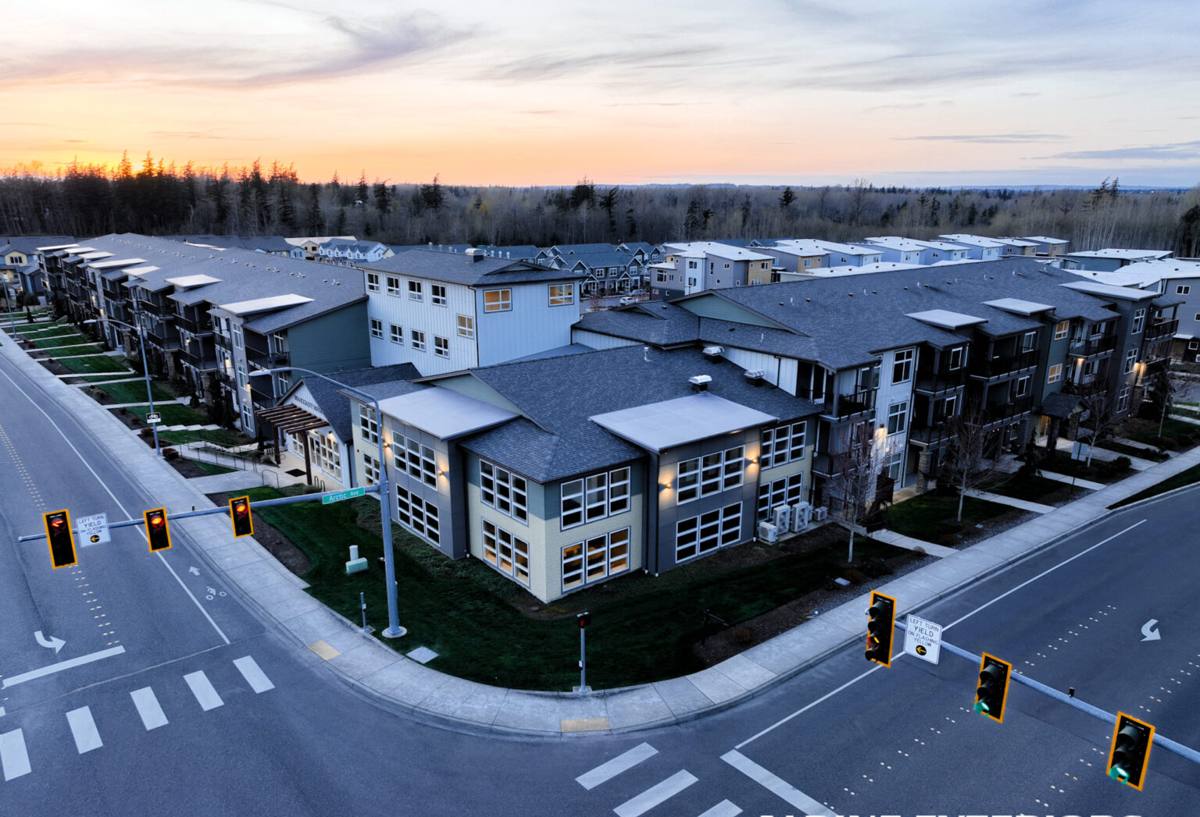
What Salt Air, Driving Rain, and Moss Season Do to a Window
Moisture-heavy, salt-tinged air
Homes in this part of Whatcom County deal with air that carries more moisture — and near the water, more salt content — than you'd find further inland. That moisture works into window hardware over time: hinges, cranks, and lock mechanisms corrode faster than they would in a drier climate. It also finds its way into wood components that aren't fully sealed, softening them gradually rather than all at once, so the damage often isn't obvious until it's advanced.
Driving rain
Rain in this area rarely falls straight down. Wind pushes it sideways, which means it hits window frames at an angle and tests every seam, sealant line, and flashing detail a window has. A window that would hold up fine in a calmer, drier climate can still leak here if the flashing and sill pan underneath it weren't done correctly the first time. This is one of the biggest reasons window failures in this region are usually installation problems, not product problems.
A long moss season
Moss and algae don't just take over roofs — they get a foothold in the shaded, damp corners around window trim and sills, especially on north- and west-facing walls that don't dry out quickly between storms. Left alone, that growth holds moisture against wood trim and window frames for weeks at a stretch, which shortens the life of both the trim and the window it surrounds.
What "Energy-Efficient" Actually Means for a Window
"Energy-efficient" gets used loosely in window marketing, so it's worth being specific about what actually matters and why each piece matters more in a climate like this one.
- U-factor measures how well a window resists heat loss. Lower is better. In a climate with a long heating season, this is the number that most directly affects your winter energy bill.
- Solar Heat Gain Coefficient (SHGC) measures how much solar heat passes through the glass. In the Pacific Northwest, moderate SHGC values usually make more sense than in sunnier climates, since we're not trying to block intense summer sun so much as manage a mild, overcast climate.
- Low-E coatings are thin, virtually invisible layers on the glass that reduce heat transfer without cutting visible light. They also help reduce condensation on the interior glass surface, which matters in a humid climate.
- Gas fills (typically argon) between panes slow heat transfer compared to plain air. The gas only does its job if the seal holding it in stays intact, which is where installation quality and product warranty both come into play.
- Spacer systems — the material separating the panes at the edge of the glass — affect both efficiency and how well the window resists condensation and seal failure over the years. Warm-edge spacers generally outperform older metal spacer designs in a wet, temperature-swinging climate.
None of these features matter much if the window isn't installed correctly. A high-performance window with a poorly flashed rough opening will still let water in, and a leaking window will fail — mechanically and thermally — years before its glass package would have given out on its own.
Choosing a Frame Material for This Climate
Frame material affects efficiency, maintenance, and how well the window holds up against the moisture load Sunnyland homes deal with. There's no single right answer for every house — it depends on your budget, your home's style, and how much upkeep you want to take on.
| Frame Material | How It Handles This Climate | Maintenance |
|---|---|---|
| Vinyl | Doesn't rot or corrode; performs well against moisture and salt-tinged air | Low — occasional cleaning |
| Fiberglass | Very stable in temperature swings and moisture; strong long-term option for exposed walls | Low |
| Wood-clad | Good look and insulating value, but the wood interior is vulnerable if any exterior seal fails in a wet climate | Moderate to high |
| Aluminum | Conducts heat and cold readily; can corrode near salt air without proper coatings | Moderate |
Our general standard for homes in this area leans toward vinyl or fiberglass frames for most replacements, simply because they hold up with the least maintenance against the moisture load this climate delivers. That's a maintenance and moisture-management call, not a statement that other materials can't be made to work — wood-clad windows, for example, can perform well for years when detailing and upkeep are handled properly.
Signs Your Current Windows Are Costing You Money
Most homeowners don't replace windows because one shattered — they replace them because the windows have quietly stopped doing their job. Signs worth checking for around your home:
- Visible fog or moisture trapped between the panes (a sign the seal has failed and the gas fill is gone)
- Drafts you can feel near the frame, especially during windy, rainy weather
- Condensation forming on the inside of the glass regularly, even when the house isn't unusually humid
- Soft or discolored wood trim around the window, or paint that keeps failing in the same spot
- Windows that are difficult to open, close, or lock — a sign the frame has shifted or hardware has corroded
- A noticeable difference in room temperature near the window compared to the rest of the house
- Rising heating bills without any other clear explanation
Any one of these on its own might just need a repair. Several of them together, especially on the same wall, usually point to a window that's past the point where repair makes sense.
What a Correct Installation Involves
Most window failures we get called out to fix in this area aren't glass problems — they're installation problems. A correct replacement in a climate like this one follows a specific sequence, and skipping steps is exactly how leaks happen two or three winters down the road.
- Careful removal of the old window without damaging the surrounding wall assembly.
- Inspection of the rough opening and sheathing for any rot, moisture damage, or soft framing before anything new goes in — this is often where hidden damage from a previously leaking window shows up.
- Sill pan flashing installed so that any water that does get past the window drains back out, rather than sitting against the framing.
- Proper flashing integration with the existing weather-resistive barrier, layered so water sheds downward and outward the way it's supposed to, shingle-style.
- Setting the window level, plumb, and square, with the correct gap for insulation — a window that's out of square puts uneven stress on the frame and hardware for the rest of its life.
- Low-expansion insulation in the gap around the frame, sized correctly so it seals without bowing the frame inward.
- Interior and exterior sealing with the correct sealants for each surface, plus trim work that's detailed to shed water rather than trap it.
Every one of those steps matters more here than it would in a milder, drier climate, because driving rain will find any shortcut eventually.
Our Process, From Estimate to Final Walkthrough
We keep the process straightforward and try to minimize disruption to your home:
1. On-site assessment
We look at your current windows, note their condition, check for any signs of moisture damage in the surrounding wall, and talk through what you're trying to solve — lower bills, less drafting, easier maintenance, or all three.
2. Straightforward proposal
You get a clear proposal covering frame material options, glass package, and what the installation will involve, with no pressure to decide on the spot.
3. Scheduling around the weather
Given how much rain this area gets, we plan installation days with the forecast in mind and work efficiently so openings aren't left exposed longer than necessary.
4. Installation
Old windows come out, the opening gets inspected, flashing and sealing are done to the standard described above, and the new window goes in plumb, level, and properly insulated.
5. Cleanup and walkthrough
We clean up the work area and walk through the finished windows with you — operation, locks, and any care instructions specific to the frame material you chose.
What Affects the Cost of a Window Replacement Project
Every home is different, so we don't quote broad numbers without seeing the job, but these are the main factors that move a project's cost up or down:
| Factor | Why It Matters |
|---|---|
| Number and size of windows | More openings and larger glass units mean more material and labor |
| Frame material chosen | Vinyl, fiberglass, and wood-clad options carry different material costs |
| Condition of the rough opening | Rot or moisture damage found once the old window is removed adds repair work before the new window can go in |
| Glass package | Double-pane versus triple-pane, and the specific Low-E and gas-fill options selected |
| Access and site conditions | Second-story windows, tight side yards, or landscaping near the wall can add labor time |
| Trim and finish work | Matching existing trim profiles or upgrading trim material adds to the scope |
The honest answer to "what will this cost" almost always requires a look at the actual windows and openings — anyone quoting a firm number sight unseen for a whole-house job is skipping a step.
Why It Matters That We Already Work in Sunnyland
A window installer who mainly works drier, inland climates can still install a window competently on a calm day. The difference shows up over the following few winters, when driving rain and long stretches of damp weather test every flashing detail and sealant line. A crew that works Sunnyland and the surrounding Whatcom County area regularly has already seen how local moisture, salt-tinged air, and moss growth affect window installations over time — which sill flashing details hold up, which trim details invite moss and rot, and which frame materials are worth recommending for a given wall's sun and rain exposure.
That local pattern recognition is hard to replace with a general checklist. It's the difference between an installation that's technically correct on paper and one that's actually built for the way weather behaves on your street.
Ready for a Straightforward Estimate
If your windows are drafty, fogged, hard to operate, or just older than they should be, we're happy to take a look and give you an honest read on what's going on — no pressure, no obligation. Fill out the form below to schedule a free estimate for your Sunnyland home.