 Sudden Valley Siding
 Windows Built for the Ferndale Side of Whatcom County
Ferndale sits close enough to the water and open farmland that its homes take a different kind of weather beating than houses tucked deeper into the valley around Sudden Valley and Lake Whatcom. Wind off the water carries salt and moisture further inland here, rain comes in sideways more often than not, and the long gray stretch from fall through spring keeps wood, vinyl, and window seals wet for weeks at a time. A window that's "fine" in a sheltered subdivision can fail early on a more exposed Ferndale property. We install custom windows in this area regularly, and we size, flash, and seal every job around what this specific climate does to a house.
This page covers custom window installation specifically for Ferndale-area homes — what the climate demands, what a correct install actually involves, and how our process works from first look to final walkthrough.
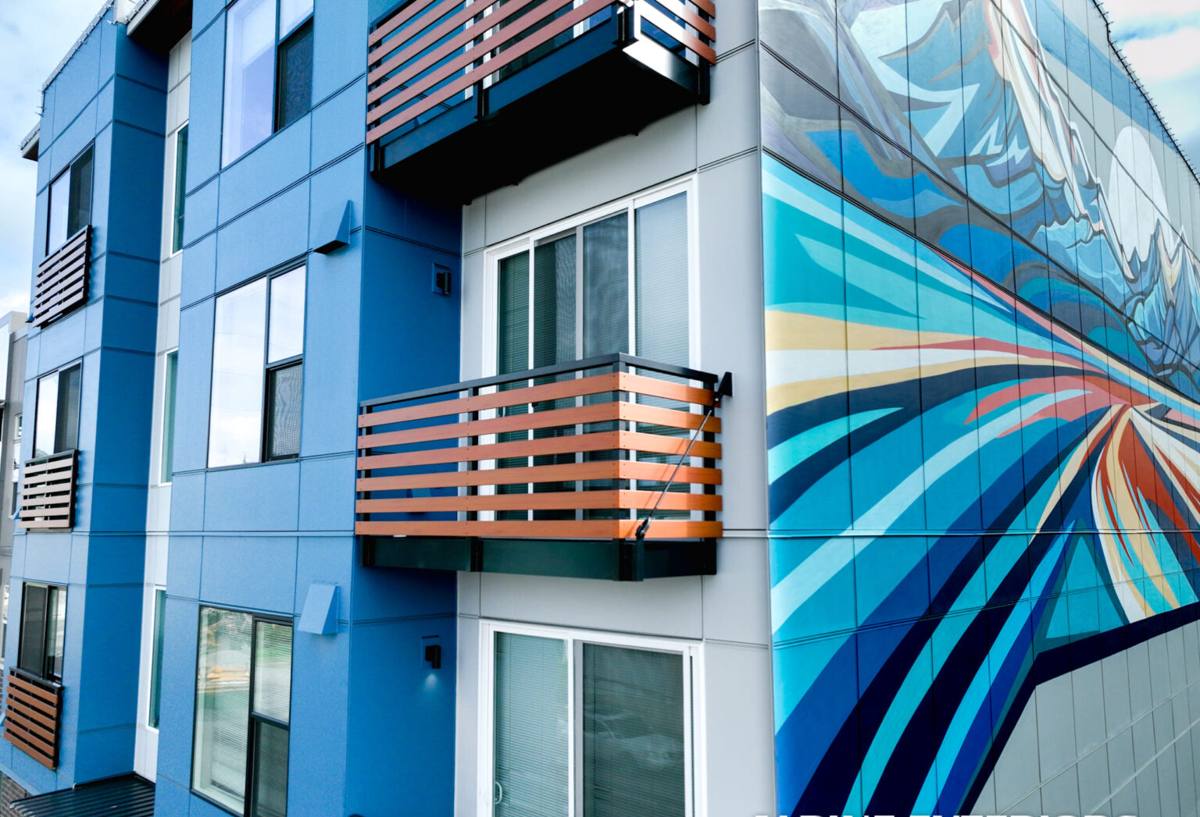
What Whatcom County Weather Does to Windows
Salt Air and Corrosion
Homes closer to the water deal with airborne salt that settles on window hardware, screen frames, and exposed fasteners. Over years, cheap or exposed hardware corrodes, locks stick, and finishes chalk out faster than they would inland. We pay attention to hardware grade and finish on Ferndale jobs for this reason, not because every window needs marine-grade everything, but because the wrong choice here shows wear years before it should.
Driving Rain
Wind-driven rain doesn't just hit a window — it gets pushed sideways and upward into gaps that a calm-weather install would never expose. This is where most window failures actually start: not bad glass, but water finding its way behind poorly flashed trim and rotting the framing before anyone notices. Correct flashing and sealant work matters more here than the window brand itself.
Moss and Prolonged Damp
Whatcom County's long wet season means anything organic — wood trim, old caulk, debris in a window sill — stays damp long enough to grow moss and mildew. That moisture cycle is hard on wood-frame windows and on any sill detail that doesn't shed water cleanly. Sills need a real slope and a clean drainage path, not just a coat of paint.
What a Correct Custom Window Install Involves Here
"Custom" means the window is built or ordered to the exact rough opening and performance needs of your house rather than forced into a stock size. For Ferndale-area homes, that starts with accurate measurement, but the install quality matters just as much as the product:
- Precise measurement of each rough opening, since older Whatcom County homes are rarely perfectly square
- Removal of the old window down to the framing so we can actually inspect for rot or hidden water damage
- Correct flashing sequence — sill pan, side flashing, and head flashing installed in the right order so water sheds outward, never inward
- Sill sloped to drain, not flat, so standing water doesn't sit against the frame through the wet months
- Quality sealant applied at the right joints — not everywhere, since over-sealing can trap moisture instead of releasing it
- Insulation packed correctly around the frame gap — not stuffed too tight, not left with voids
- Interior and exterior trim reinstalled or replaced to match the home, with attention to paint or caulk lines that will be exposed to weather
Skipping any one of these steps is usually invisible on install day and shows up two to five years later as a soft sill, a foggy pane, or a drafty room. We treat the flashing and prep work as the real job — the window itself is only as good as what's behind it.
Choosing the Right Window Type for Ferndale Exposure
There's no single "best" window for every home in this area — it depends on sun exposure, wind direction, and how sheltered the house is. Here's how the common options compare for a Whatcom County coastal-adjacent property:
| Window Type | How It Handles Driving Rain | Maintenance in Salt Air | Best Fit |
|---|---|---|---|
| Vinyl double-hung | Good with proper flashing; fewer joints to fail | Low — won't corrode or rot | Most Ferndale-area homes, budget-conscious remodels |
| Fiberglass | Very good; dimensionally stable in temperature swings | Low to moderate depending on hardware finish | Exposed or higher-wind lots, long-term owners |
| Wood-clad | Good if maintained; vulnerable at joints if neglected | Higher — needs regular finish upkeep | Homes prioritizing interior wood appearance |
| Aluminum | Fair; prone to condensation without thermal breaks | Higher near salt air without proper coating | Rarely our first recommendation in this climate |
We steer most clients here toward vinyl or fiberglass for a straightforward reason: fewer maintenance demands against a climate that already asks a lot of a house. Wood-clad windows can still be the right call for the right homeowner, but we're upfront that they need more attention here than they would somewhere drier.
Sizing and Fit for Older Ferndale-Area Homes
A lot of the housing stock in and around Ferndale and the Sudden Valley area was built before modern window sizing standards were common, which means rough openings are often slightly out of square or non-standard. Custom windows solve this by being built or trimmed to the actual opening rather than forcing a stock size in with extra shimming and filler — a shortcut that creates weak points exactly where wind-driven rain likes to find them. If your home has original single-pane windows, an older aluminum retrofit, or visibly uneven trim lines, custom sizing is almost always the more durable path, even though it costs a bit more upfront than a stock replacement.
Our Process for Ferndale-Area Jobs
- On-site assessment — we look at each opening, check for existing rot or moisture damage, and discuss exposure (wind direction, sun, proximity to open water or fields)
- Measurement and product selection — exact rough opening dimensions, frame material discussion, and a straight answer on what fits your budget and exposure
- Old window removal and inspection — we don't just pop the sash out; we open the wall enough to see what's actually happening behind the old unit
- Any needed repair — rotted framing gets replaced before a new window ever goes in, not covered over
- Install with full flashing sequence — sill pan, flashing, sealant, insulation, trim, in that order
- Walkthrough — we show you the operation of each window and explain any maintenance specific to its material
We don't rush the removal-and-inspection step, even though it adds time to the job. Finding hidden water damage during install is far cheaper to fix than finding it two years later when it's spread into the wall framing.
Why a Crew That Already Works This Area Matters
A contractor who only occasionally works near the water doesn't build the habit of checking for salt-related hardware wear or accounting for wind direction when planning flashing details. Crews who work Ferndale and the broader Sudden Valley area regularly develop a feel for which sides of a house take the worst weather and which sill and flashing details actually hold up through a full Whatcom County winter. That's not a marketing point — it's the difference between a window that's still tight in ten years and one that needs re-caulking every other fall.
Signs Your Current Windows Are Losing the Battle
- Fogging or moisture between panes (seal failure — not repairable, only replaceable)
- Soft or discolored wood at the sill or bottom corners
- Visible moss or dark staining on trim, especially on the weather-facing side of the house
- Difficulty opening or locking, especially in wetter months when frames swell
- Noticeable draft or cold spot near the frame on windy days
- Peeling paint or bubbling caulk at the exterior trim joints
Any one of these on its own might just need a repair. Several at once, especially on an older single-pane or original aluminum window, usually means replacement is the more cost-effective path long-term.
Cost Factors to Expect
Custom window costs vary by opening size, frame material, and how much repair work the removal uncovers — we won't quote a number before seeing the actual openings, but these are the main factors that move price up or down:
| Factor | Effect on Cost |
|---|---|
| Frame material (vinyl vs. fiberglass vs. wood-clad) | Vinyl is typically the most budget-friendly; fiberglass and wood-clad cost more upfront |
| Hidden rot found during removal | Adds labor and material cost, but is far cheaper to fix now than later |
| Non-standard or out-of-square openings | Custom sizing costs more than stock but avoids long-term flashing failures |
| Number of windows done in one visit | Bundling multiple windows in one job typically lowers per-window labor cost |
| Trim and interior finish work | Matching existing trim profiles adds time and material |
If you're weighing custom windows for a Ferndale-area home, we're happy to walk the property, look at what your current windows are dealing with, and give you a straightforward estimate — no pressure, no upsell script. Use the form below to get a free, no-obligation estimate for your home.