 Sudden Valley Siding
 Custom Windows Built for the Columbia Area of Sudden Valley
Homes in the Columbia area of Sudden Valley sit in a corner of Whatcom County that asks a lot of its windows. Between wind-driven rain off the lake, salt-laden marine air working its way inland, and a moss season that can stretch from late fall into spring, window systems here take a steady beating year-round. A window that's rated fine for a dry inland climate can still fail early once it's dealing with constant moisture cycling and UV exposure through the summer months. Custom windows done right for this area aren't just about looks — they're about matching the frame material, glazing, and installation detail to what this specific corner of Whatcom County actually throws at a house.
We work in Sudden Valley regularly, including the Columbia area, and we've seen what happens when window replacement is treated as a one-size-fits-all product swap instead of a job that accounts for local conditions.
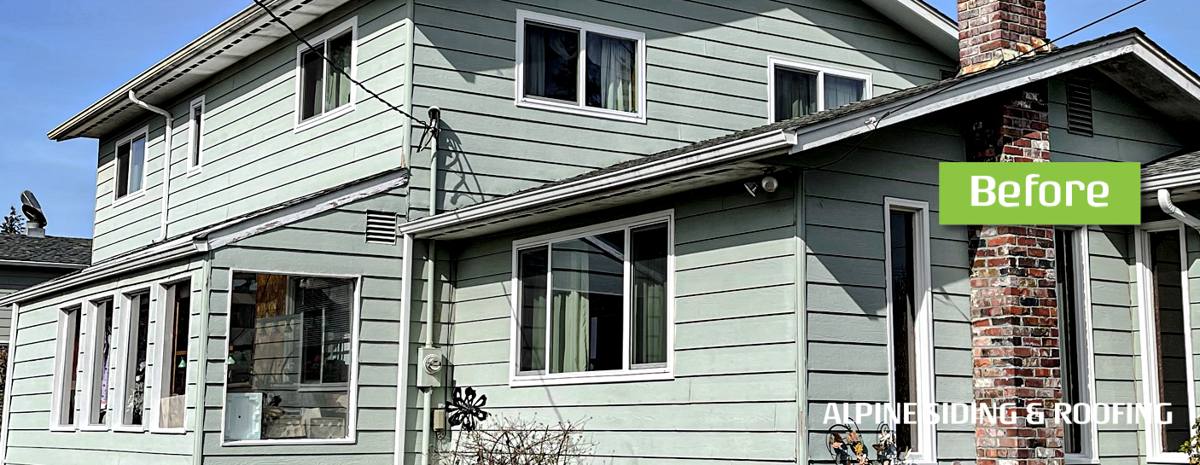
What Columbia-Area Homes Need From Their Windows
Moisture Is the Real Enemy
Driving rain in this region doesn't just fall — it gets pushed sideways against exterior walls during storms. Windows that aren't flashed and sealed correctly will let water track behind the trim and into the wall cavity long before anyone notices a leak inside. Once that moisture is trapped, it doesn't dry out quickly in a climate this humid, and that's when rot and mold set in.
Salt Air Accelerates Wear on Hardware and Finishes
Salt-laden air corrodes exposed metal hardware — hinges, locks, cranks — faster than a dry climate ever would. Cheaper window hardware and unprotected aluminum components show pitting and stiffness within a few years in this environment. It's a detail that's easy to overlook when comparing windows on price alone.
Moss and Algae Need Surfaces That Shed Water
A long moss season means anything that holds moisture against a surface — poorly sloped sills, absorbent trim material, tight gaps where debris collects — becomes a growth site for moss and algae. That buildup holds even more moisture against the window assembly, compounding the problem. Sill design and drainage matter as much as the glass itself.
What a Correct Custom Window Job Actually Involves
"Custom" doesn't just mean a non-standard size. It means the window is specified and installed to match the wall assembly, exposure, and siding it's going into. For Columbia-area homes, that typically includes:
- Accurate field measurement of the rough opening, including checking for existing rot or settling before ordering anything
- Frame and glazing selection matched to the wall's sun and rain exposure, not just a standard spec sheet
- A continuous, correctly lapped weather-resistive barrier integrated with the window flange — not just caulk at the edges
- Sloped sill pans that direct any intruded water back outside rather than into the wall
- Proper shimming and fastening so the frame stays square and doesn't bind or leak over time
- Sealants and flashing tapes rated for this climate's temperature swings and constant moisture, not just whatever's on the shelf
Skip any one of these steps and the window itself becomes almost irrelevant — a premium unit installed without proper flashing will still leak, and a mid-grade unit installed correctly will often outperform it.
Choosing the Right Frame Material for This Climate
Frame material is where most homeowners spend the bulk of their decision-making time, and it's a legitimate place to focus given what this area's air and rain do to lesser materials over time.
| Frame Material | How It Handles This Climate | Trade-Offs |
|---|---|---|
| Vinyl | Good moisture and salt-air resistance; no corrosion risk on the frame itself | Lower-end vinyl can warp under sustained UV; quality varies widely by manufacturer |
| Fiberglass | Very stable in temperature swings and moisture; holds paint and finish well over decades | Higher upfront cost than vinyl |
| Wood-clad | Strong appearance option; clad exterior protects the wood from direct weather | Any breach in the cladding or seal exposes wood to a climate that won't let it dry out quickly; needs disciplined installation and maintenance |
| Bare aluminum | Not our standard recommendation for this exposure | Prone to condensation and, in salt-influenced air, accelerated corrosion at hardware and frame joints over time |
We don't install bare aluminum frames on homes with this kind of exposure as a matter of professional standard — it's a maintenance and longevity trade-off we'd rather steer clients away from than deal with premature callbacks. Vinyl and fiberglass make up the large majority of what we install in Sudden Valley, with wood-clad reserved for homeowners who want that look and are willing to keep up with the maintenance it asks for.
Glass and Glazing Choices That Matter Here
Double-pane, low-E glazing is the practical baseline for this region — it's not an upsell, it's the point where energy performance and condensation control start working the way they should in a climate with this much humidity and temperature swing between seasons. Argon-filled units add a modest efficiency bump. For west- or south-facing walls that catch more direct sun through the year, a low-E coating tuned to cut solar heat gain is worth discussing rather than defaulting to the same glass package on every elevation of the house.
Condensation resistance is also worth asking about directly. A window that fogs or beads moisture on the interior in winter isn't necessarily defective — it's often a sign the glazing package or frame thermal performance isn't matched to the room's humidity and the outdoor conditions. That's a conversation we have before installation, not an issue to troubleshoot after.
Our Process for a Columbia-Area Window Project
- On-site assessment — we look at existing window condition, wall assembly, sun and rain exposure on each elevation, and any signs of past moisture intrusion before recommending anything.
- Product selection — frame material and glazing are matched to what each specific opening deals with, not a single blanket spec for the whole house.
- Careful removal — old units come out with attention to the surrounding framing so we can catch and address any hidden rot or damage before it's covered back up.
- Flashing and sealing — sill pans, weather-resistive barrier integration, and sealants are installed to shed water outward, not just to look finished.
- Fit and finish — frames are shimmed square, insulated around the perimeter, and trimmed out cleanly inside and out.
- Walkthrough — we go over operation, hardware care, and what to watch for, especially given the local moss and moisture cycle.
Signs a Columbia-Area Home May Need Window Replacement
- Visible condensation or fogging between the panes — a sign the seal has failed
- Soft or discolored trim and sill material around the window
- Drafts you can feel near the frame even when the window is fully closed and locked
- Hardware that's stiff, corroded, or won't latch properly anymore
- Moss or algae buildup on sills or trim that keeps coming back despite cleaning
- Noticeably higher heating costs compared to similar homes nearby
Why a Crew That Already Works Columbia Matters
Window replacement done poorly is one of the more expensive mistakes a homeowner can make, because the failure often hides behind the wall for a year or more before it shows up as a stain, a soft spot, or a mold smell. A crew that already works homes in Sudden Valley and the Columbia area has seen how this specific microclimate behaves — how driving rain moves against these walls, how quickly moss establishes on shaded, moisture-holding surfaces, and how salt-influenced air treats hardware over time. That's the kind of pattern recognition that catches a problem during installation instead of after the drywall's back up.
Local familiarity also means fewer surprises with permitting expectations, faster response if a follow-up question comes up after the job, and a crew that isn't learning this climate's habits on your house.
What Custom Windows Typically Cost
Costs vary based on frame material, glazing package, size, and how much flashing and trim rework a given opening needs — so we won't quote a number without seeing the actual openings. In general, vinyl runs at the lower end of the range, fiberglass sits in the middle to upper range, and wood-clad tends to be the highest given material and installation demands. The bigger cost driver on older homes is often what we find once an old window comes out — hidden rot or water damage adds to the job, and it's better to know about it and fix it than to seal a new window over a problem that's still there.
If you're weighing window replacement for a home in the Columbia area of Sudden Valley, we're happy to take a look and walk you through what your specific openings actually need. Use the form below to request a free, no-pressure estimate.