 Sudden Valley Siding
 Board & Batten Siding in Barkley: A Look Built for Whatcom County Weather
Barkley's mix of newer construction and updated older homes has made board and batten one of the most requested siding profiles we install in the Sudden Valley area. The vertical lines read as clean and modern on contemporary builds, and they pair well with stone or shake accents on more traditional homes. But board and batten is not a "pick a look and go" decision here. In a Whatcom County microclimate that mixes salt-laden air off the Puget Sound and Bellingham Bay, long stretches of driving rain, and a moss season that can run most of the year, the profile you choose and the material behind it matter as much as the aesthetic.
This page is specifically about board and batten siding for homes in and around Barkley — what the local climate demands from it, what a correct installation looks like, and why we only install it in one material.
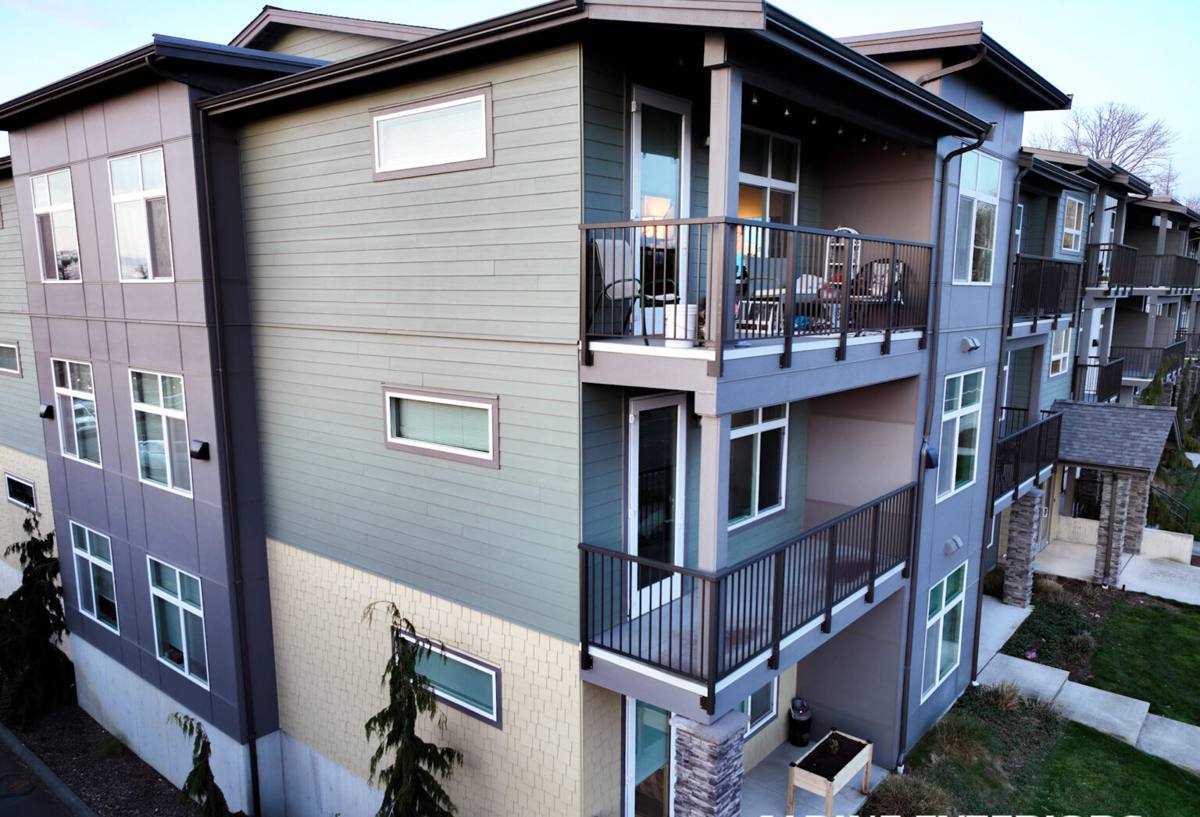
What Salt Air, Driving Rain, and Moss Season Do to Vertical Siding
Board and batten works by layering wide boards with narrower battens covering the seams, creating a series of raised joints running vertically down the wall. That profile is attractive, but it also creates more edges, more fastener penetrations, and more seams than a standard lap siding job — every one of those is a place water, salt, and organic growth can find a way in if the installation isn't done right.
Salt air
Homes closer to the water in Whatcom County take on airborne salt that accelerates corrosion of exposed fasteners and metal flashing, and it slowly breaks down paint film and caulk on lower-grade materials. Battens are typically face-nailed or blind-nailed at regular intervals, which means a lot of fastener heads exposed to that salt-laden moisture over the years.
Driving rain
Wind-driven rain doesn't just fall straight down — it gets pushed sideways and upward into every horizontal reveal and vertical seam on a wall. Board and batten's raised battens can actually help shed water off the face of the boards, but only if the water-resistive barrier, flashing, and gaps behind them are detailed correctly. Get that wrong and the same rain gets channeled straight behind the siding instead of off it.
Moss season
Whatcom County's damp, shaded conditions — especially on north-facing walls or under mature tree cover common around Sudden Valley and Barkley — grow moss and algae on almost anything that stays wet. Vertical battens create narrow shadow lines and ledges where moisture lingers longer than it would on a flat lap board, giving moss more places to take hold if the siding can't dry out between rains.
Why We Install Board & Batten Only in James Hardie Fiber Cement
Board and batten is offered in vinyl, engineered wood (LP SmartSide), primed spruce or cedar, and fiber cement. We've made a standing decision not to install any of those except James Hardie fiber cement, and it's worth explaining why rather than just stating it.
- Vinyl board and batten is affordable and low-maintenance in dry climates, but it expands and contracts more than fiber cement, and in a wet, salt-exposed environment the panel seams and J-channels are a common spot for water to work its way behind the wall over time.
- Wood-based products (LP SmartSide, primed spruce, cedar) can look excellent when new, but they rely on an intact factory or field-applied finish to keep moisture out. Once that finish is compromised — by a nail pop, a scuff, or years of driving rain — the wood substrate underneath can swell, delaminate at cut edges, or take on rot, especially in a moss-prone climate where surfaces stay damp longer.
- James Hardie fiber cement is cement, sand, and cellulose fiber — it doesn't rot, it isn't a food source for moss and algae the way bare wood can be, and it holds up to repeated wet-dry cycling far better than wood-based sidings. It's also non-combustible, which matters given Whatcom County's wildfire-smoke seasons even away from the immediate fire risk zones.
We're not saying every other product is unusable everywhere — we're saying that for the specific combination of salt air, sustained rain, and moss pressure that Barkley and the wider Sudden Valley area deal with, fiber cement is the material that holds its appearance and its integrity the longest with the least ongoing maintenance. That's the standard we hold every board and batten job to.
What a Correct Board & Batten Installation Actually Involves
Board and batten is deceptively easy to install poorly. Because the battens hide the seams between boards, a rushed or undertrained crew can cover up gaps that will leak for years before the problem shows on the surface. A correct install includes:
Water-resistive barrier and flashing first
Before a single board goes up, the wall needs a continuous water-resistive barrier with properly lapped and taped seams, plus flashing at every window, door, and penetration. Board and batten does not "waterproof" a wall on its own — it manages the water that gets past the outer layer, and that only works if the barrier behind it is done right.
Furring or proper fastening for drainage
Vertical siding needs a way to drain and dry. Whether that's a furring-strip rain-screen assembly or manufacturer-approved direct fastening with correct gapping, the goal is the same: give any water that gets behind the boards a path out, and let air circulate so the wall can dry between Whatcom County's frequent wet spells.
Fastener placement and spacing
James Hardie specifies exact fastener types, spacing, and edge distances for board and batten assemblies, along with minimum gaps at every butt joint, corner, and trim intersection. Skipping the specified gaps is one of the most common shortcuts we see on redo jobs — it looks fine on install day and causes buckling or cracking once the boards expand and contract through the seasons.
Factory-finished boards and matched caulk
ColorPlus factory-finished boards eliminate the weak point of field-painted siding: unpainted cut edges and touch-up areas. Cut edges still need factory-matched touch-up sealant, and every joint that requires caulk needs a product rated for the finish and for our climate — not a generic tube from the hardware aisle.
Corners, trim, and transitions
Outside corners, window and door trim, and transitions to other materials (stone, shake, or a different siding profile) are where board and batten jobs most often fail. These details need to be flashed and sequenced correctly, not just caulked over at the end.
Board & Batten vs. Other Common Siding Profiles for Barkley Homes
| Profile | Look | Performance in Barkley's climate | Maintenance |
|---|---|---|---|
| Board & batten (Hardie) | Vertical, modern or farmhouse | Strong when installed with proper drainage and gapping; sheds driving rain well | Low — occasional wash to slow moss |
| Lap siding (Hardie) | Traditional horizontal | Fewer vertical seams, slightly more forgiving of minor install variance | Low |
| Vinyl board & batten | Similar vertical look | Panel seams and J-channels are common water entry points in sustained rain | Low, but prone to hidden moisture issues |
| Wood-based board & batten | Natural wood texture | Vulnerable at cut edges and joints once finish wears; moss and rot risk in shade | High — refinishing cycle required |
For most Barkley homes, board and batten in James Hardie fiber cement gives the vertical look homeowners want without trading away the moisture performance the site demands. Shaded, north-facing walls or lots close to Lake Whatcom's moisture and tree cover are exactly where the wrong material shows problems first.
Our Process for Board & Batten Projects in Barkley
- On-site walkthrough — we look at sun exposure, tree cover, drainage patterns, and existing moisture damage before recommending anything.
- Tear-off and sheathing check — we inspect the sheathing once old siding is removed, since board and batten's raised battens will telegraph any unevenness underneath.
- Water-resistive barrier and flashing — installed and inspected before any board goes up.
- Board and batten installation to Hardie's fastening and gapping specifications — including furring or rain-screen detailing where the wall assembly calls for it.
- Trim, corners, and caulking — factory-matched sealants and touch-up paint at every cut edge.
- Final walkthrough — we go over the finished job with the homeowner before we consider it done.
Maintenance in a Moss-Prone, Salt-Air Environment
Fiber cement board and batten needs far less upkeep than wood-based alternatives, but "low maintenance" isn't "no maintenance," especially in this climate. A simple annual routine goes a long way:
- Rinse the exterior once a year, focusing on shaded or north-facing walls where moss tends to establish first.
- Check caulk joints at trim, corners, and penetrations for cracking or separation, particularly after a hard winter.
- Keep gutters clear so overflow doesn't run down the face of the siding and feed moss growth.
- Trim back vegetation that keeps a wall shaded and damp longer than the rest of the house.
- Have any fastener corrosion or finish chips near the coast-facing side of the home addressed early rather than left through another wet season.
Cost Factors for Board & Batten Siding in Barkley
| Factor | Why it matters here |
|---|---|
| Wall complexity | More corners, dormers, and trim transitions mean more cut edges and flashing detail work |
| Existing sheathing condition | Rot or damage found at tear-off adds repair scope before siding can go on |
| Drainage assembly | A furring-strip rain-screen adds labor and material cost but improves long-term drying performance |
| Board width and batten spacing | Wider reveals or custom spacing change material takeoff and labor time |
| Color and finish | Factory ColorPlus finishes cost more upfront than field painting but remove a maintenance cycle |
| Site access | Sloped lots and tree-lined properties common around Sudden Valley can affect staging and labor time |
We don't quote board and batten jobs off square footage alone — the factors above are why two homes of similar size can land at different numbers. We'll walk through the specifics with you before giving a number, not after the fact.
Why Hiring a Crew That Already Works Barkley Matters
Board and batten's failure points — drainage behind the wall, moss at shaded joints, salt-driven fastener corrosion — aren't things you can see by looking at a finished wall from the street. They show up years later if the crew that installed it didn't account for this specific climate. A crew that already works Barkley and the surrounding Sudden Valley area has seen how these walls perform through multiple wet seasons: which orientations moss first, which details fail on redo jobs, and which fastening and drainage assemblies actually hold up here versus in a drier region's spec sheet. That local pattern recognition is the difference between a board and batten job that looks good on install day and one that still looks good in ten years.
If you're considering board and batten siding for a home in Barkley or elsewhere around Sudden Valley, we're happy to walk the property, talk through what your walls are dealing with, and put together a straightforward, no-pressure estimate using the form below.