 Sudden Valley Siding
 Siding Repair in Bellingham: Built for This Climate, Not Just This House
Bellingham sits where Puget Sound weather meets the foothills of the North Cascades, and that combination is hard on exterior siding. Homes near Bellingham Bay deal with salt-laden air, while homes tucked under tree cover deal with shade, damp, and moss that never really goes away between October and May. Add in wind-driven rain off the Sound and the freeze-thaw swings of a Whatcom County winter, and you have a climate that finds every weak point in a siding system faster than drier parts of the state ever would.
Siding repair here isn't just about patching a damaged board. It's about understanding why that board failed in the first place, and making sure the repair doesn't just recreate the same failure a few seasons later. That's the approach we bring to every Bellingham repair call.
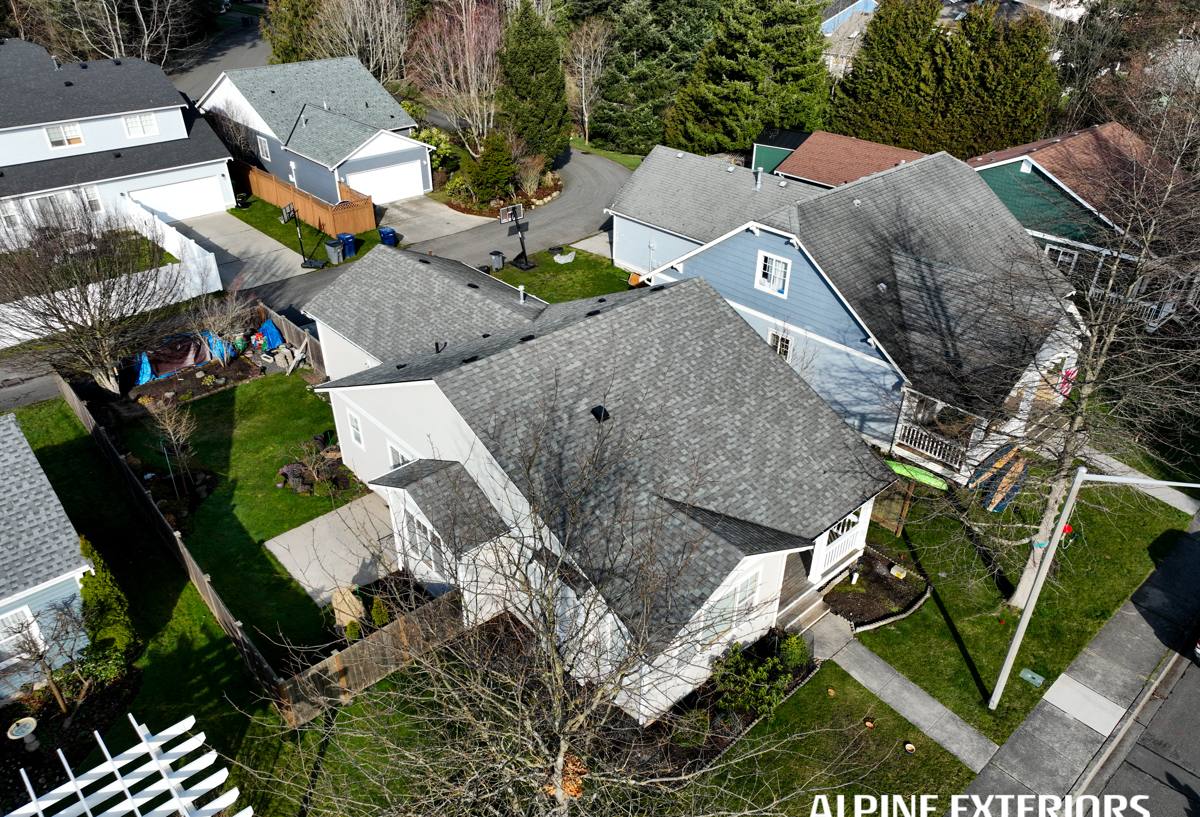
What Bellingham's Climate Actually Does to Siding
Salt Air and Bay Moisture
Homes closer to Bellingham Bay are exposed to salt-laden moisture carried on the wind. Over years, that salt content accelerates corrosion of exposed fasteners, trim flashing, and any metal components in a siding system. It also keeps painted and coated surfaces damp longer after a storm, which shortens the life of caulking and paint film on lower-grade materials.
Driving Rain and Wind Exposure
Storms coming off the Sound frequently arrive with real horizontal force. Wind-driven rain doesn't just wet a wall surface — it actively pushes water up under laps, around trim, and into any gap in the weather barrier. Siding systems that rely on tight tolerances and perfect caulk lines struggle here, because caulk is a maintenance item, not a permanent seal.
Moss, Mildew, and Extended Shade Season
Whatcom County's long wet season, combined with mature tree cover common in and around Bellingham, means many exterior walls stay damp and shaded for extended stretches. That's exactly the environment moss and mildew need to establish. On siding materials that absorb moisture, that sustained dampness leads to swelling, soft spots, and eventually rot — problems that show up as siding "repair" needs years before they should.
Common Siding Repair Issues We See in Bellingham
The specific repair issue almost always traces back to the siding material and how it was originally installed. Here's how the common materials in this area typically fail:
| Siding Material | Typical Bellingham Failure Pattern | Repair Complexity |
|---|---|---|
| Cedar / wood siding | Moisture absorption, rot at butt joints and lower courses, moss holding damp against the wall | High — often requires sheathing inspection |
| Vinyl siding | Cracking in cold snaps, warping from heat/cold cycling, panels blown loose in wind events | Moderate — matching discontinued colors is a common snag |
| LP SmartSide / OSB-based products | Edge swelling where caulking has failed, moisture wicking at cut ends and fastener points | High — swelling often means the panel needs replacing, not patching |
| Fiber cement (non-Hardie brands) | Caulk-dependent joints failing, coating wear at exposed edges | Moderate to high, depending on the coating system used |
| James Hardie fiber cement | Isolated impact damage, caulk/trim wear, fastener issues from incorrect original installation | Low to moderate — the board itself resists moisture |
Notice the pattern: most of the repair calls we get aren't about the siding "wearing out" evenly. They're about moisture finding one specific weak point — a joint, an edge, a fastener, a section that stayed shaded and wet — and doing damage that spreads if it isn't corrected properly.
What a Correct Siding Repair Actually Involves
A repair that only addresses the visible damage is a repair that will need to be redone. On every Bellingham repair, we look past the damaged board itself:
- Sheathing and framing check — if water got behind the siding, the wall structure underneath needs to be inspected before anything gets closed back up.
- Weather barrier condition — the house wrap or building paper behind the siding has to be intact and properly lapped, or the same spot will fail again.
- Flashing and trim details — window and door flashing, kickout flashing, and trim joints are common entry points that get missed in a quick patch job.
- Root cause identification — was this impact damage, a fastener installed wrong, a caulk joint that failed, or a material that simply can't handle sustained moisture? The fix has to match the actual cause.
- Material and color match — patched sections need to blend, not just function, especially on street-facing elevations.
Skipping any of these steps is how homeowners end up paying for the same repair twice.
Repair vs. Replace: How We Make the Call
Not every damaged section needs full replacement, but not every problem should be patched either. We walk homeowners through the actual factors rather than defaulting to the most expensive answer:
| Factor | Favors Repair | Favors Replacement |
|---|---|---|
| Extent of damage | Isolated, one or two sections | Spread across multiple walls or elevations |
| Cause | Impact damage, a single failed flashing detail | Systemic moisture absorption across the material |
| Sheathing condition | Dry, sound framing behind the damage | Soft or damaged sheathing found during inspection |
| Material | James Hardie or another moisture-resistant material | Wood, OSB-based, or aging vinyl showing widespread wear |
| Age of existing siding | Newer install, still under warranty | Near or past expected service life |
We'll always tell you honestly which side of that table your home falls on. A straightforward repair is often the right call — but if the damage points to a material or installation problem that will keep recurring, we'll say so rather than patch it and let you find out again next winter.
Our Siding Repair Process
Every repair job in Bellingham follows the same sequence, whether it's a small impact spot or a larger moisture-related section:
- On-site inspection of the damaged area and the surrounding wall assembly
- Investigation behind the siding where moisture intrusion is suspected
- A clear, written explanation of what caused the damage and what's needed to fix it correctly
- Removal of damaged material without disturbing sound siding beyond what's necessary
- Repair or replacement of any compromised sheathing, flashing, or weather barrier
- Installation of new material matched to your existing siding as closely as possible
- Final check of caulking, trim, and fastening details before we consider the job done
We don't consider a repair finished until we've confirmed the cause of the original failure has actually been addressed — not just covered up.
Why We Repair — and Replace — With James Hardie Fiber Cement
When a repair calls for new siding material, we install James Hardie fiber cement exclusively. We don't carry vinyl, LP SmartSide, Cemplank, Allura, primed spruce, or cedar, and that's a deliberate standard, not a limitation of what we can access.
In a climate like Bellingham's, the reasons are practical:
- Hardie fiber cement doesn't absorb moisture the way wood-based or OSB-based products do, so it resists the rot and swelling that drive most of our repair calls on other materials.
- It's non-combustible, which matters for long-term durability regardless of exposure.
- The ColorPlus factory finish holds color and resists the fading and chalking that plain-air, damp climates accelerate on field-painted materials.
- Hardie's HZ5 product line is engineered specifically for climates with sustained moisture exposure, which describes most of Whatcom County for a good chunk of the year.
- It carries a strong transferable warranty backed by the manufacturer, not just workmanship coverage.
When a repair section needs new material to blend with existing Hardie siding, matching is straightforward. When a homeowner is deciding whether to replace an aging vinyl, wood, or LP section instead of continuing to repair it, we're honest that Hardie is what we'd put on our own home in this climate — and we'll explain why rather than just asserting it.
Why Hiring a Crew That Already Works Bellingham Matters
Siding repair isn't just a materials question — it's a local-conditions question. A crew that regularly works in and around Bellingham has already seen how moss builds up on north-facing walls near tree lines, how salt air near the bay affects fasteners and trim, and how wind-driven storms find the same weak spots year after year. That experience shows up in the details: where flashing tends to fail first, which wall orientations need extra attention, and what a "quick fix" actually needs to include to hold up through a full Whatcom County winter.
It also matters for accountability. A local crew is available for a follow-up look if something doesn't sit right after a storm, and stands behind its work in the same community it lives and works in — not from a call center or a one-time out-of-town crew.
Ready for an Honest Look at Your Siding?
If you're seeing damage, soft spots, staining, or persistent moss on your Bellingham home's siding, we'll come take a look, tell you honestly what's causing it, and lay out your real options — repair or replace — with no pressure either way. Reach out below for a free estimate.