 Sudden Valley Siding
 Why Barkley Homes Need a Different Kind of Repair
The Barkley pocket of Sudden Valley sits in a part of Whatcom County where the weather doesn't do siding any favors. Homes here take on driving rain off Lake Whatcom, long stretches of damp shade under mature evergreens, and a moss season that can run from early fall clear through spring. Add in the salt-tinged air that drifts inland from the Sound on windy days, and you've got a combination that finds every weak point in a home's exterior: a cracked caulk joint, a nail that backed out, a corner where two boards were never properly flashed.
None of that means a home needs a full re-side every few years. It means repairs have to be done correctly the first time, because a patch job that ignores what's happening behind the siding just buys the homeowner a bigger problem in a year or two.
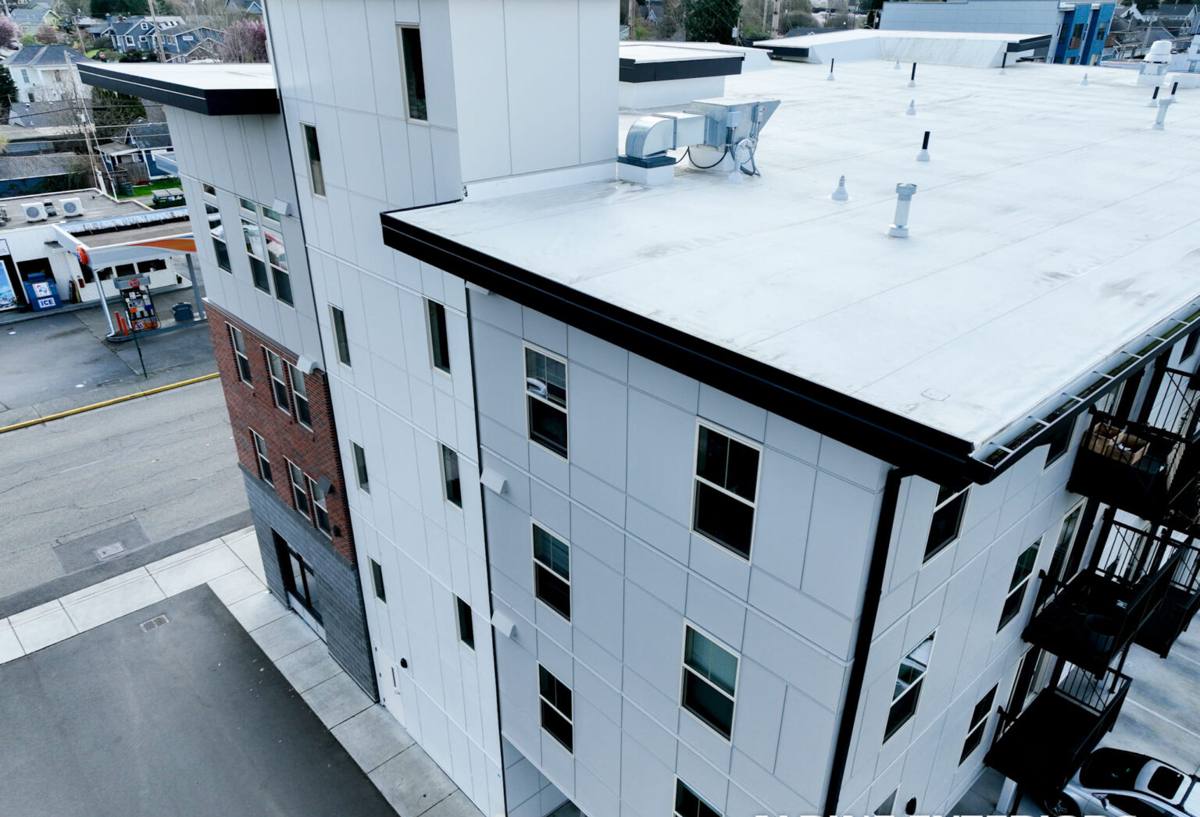
What Driving Rain and Moss Actually Do to Siding
Moisture intrusion
Wind-driven rain doesn't fall straight down — it gets pushed sideways and up under laps, around trim, and into any gap that's opened up over time. Once water gets behind the siding, it doesn't dry out quickly in a shaded, humid microclimate like Barkley's. That trapped moisture is what rots sheathing, stains interior walls, and turns a five-minute caulk fix into a structural repair if it's ignored long enough.
Moss and organic growth
A long moss season isn't just cosmetic. Moss and algae hold moisture against the siding surface for weeks at a time, and on lower-quality or improperly sealed material that constant dampness accelerates swelling, delamination, and paint failure. On fiber cement, moss is mostly a surface and maintenance issue rather than a structural one — but only if the panels were installed with the correct clearances and finished with a factory coating built to handle it.
Salt-influenced air
Salt-laden air accelerates corrosion on fasteners, flashing, and any exposed metal trim. Over years, corroding nails or trim pieces can telegraph rust stains through the siding and eventually loosen the panels they're holding in place — a common root cause behind repair calls that get blamed on "bad siding" when the real culprit is failed hardware.
Signs a Barkley Home Needs Siding Repair
- Visible cracking, chipping, or bubbling at panel joints or corners
- Soft or spongy spots when you press on the siding near the ground line or under windows
- Persistent moss or dark streaking that comes back within weeks of cleaning
- Nail pops, warped boards, or panels that have started to separate at the seams
- Peeling or fading paint concentrated on one side of the house (usually the side facing prevailing wind and rain)
- Water stains on interior walls or ceilings near exterior corners
- Gaps at window and door trim where caulk has shrunk or pulled away
Any one of these on its own might be minor. Two or three together, especially clustered on the weather-facing side of the house, usually means moisture has been getting in for a while.
What a Correct Repair Job Actually Involves
A repair that only addresses what's visible from the driveway isn't a repair — it's a cosmetic fix that hides a problem instead of solving it. On every siding repair we do in Sudden Valley, the process includes:
1. Diagnosis before demolition
We pull the damaged section and check what's behind it with a moisture meter, not a guess. Sheathing that's still sound gets left alone; sheathing that's compromised gets addressed before any new siding goes back up. Skipping this step is the single most common shortcut that leads to repeat repairs.
2. Correcting the cause, not just the symptom
If the failure was caused by missing or damaged flashing, poor caulking, or panels installed without the manufacturer's required clearance from grade or roofline, we fix that detail as part of the repair — otherwise the same spot fails again on the same timeline.
3. Matching the material
Patch-in siding has to match the existing panel's profile, exposure, and finish. On James Hardie ColorPlus siding, that means matching the factory finish color and sheen so the repair doesn't read as an obvious patch from the street or up close.
4. Proper fastening and sealing
Corroded or improperly placed fasteners get replaced, not reused. Sealant is applied per manufacturer spec at joints and trim, using products rated for the exposure the panel actually sees.
Why We Only Repair and Install James Hardie Fiber Cement
We don't stock or install vinyl, LP SmartSide, primed wood, or other fiber cement brands, and that standard matters even more on a repair call than on a full install. When a panel needs to be replaced, we need a product that:
- Is non-combustible, which matters given how many Barkley properties border wooded lots
- Holds its factory ColorPlus finish so a single-panel repair can actually blend with 10- or 15-year-old siding
- Is manufactured in an HZ5 formulation engineered for the Pacific Northwest's wet, moderate climate rather than a generic all-climate spec
- Carries a strong, transferable manufacturer warranty that isn't voided by a professional repair done to spec
Vinyl and wood-based products can be repaired too, but they come with trade-offs we've chosen not to build our business around: vinyl becomes brittle and hard to color-match as it ages and fades, and engineered wood products are more sensitive to the exact kind of sustained moisture exposure Barkley sees every moss season. When we're called out to patch a competitor's product, we'll do honest work on it — but when the homeowner is ready to replace a section outright, Hardie is what we recommend and what we install.
Repair vs. Replacement: How We Help You Decide
| Factor | Favors Repair | Favors Full Replacement |
|---|---|---|
| Extent of damage | Isolated to one or two elevations | Present on multiple sides or throughout |
| Sheathing condition | Dry, sound wood behind siding | Rot or soft sheathing found in multiple spots |
| Age of existing siding | Under 15 years, still in warranty | Original siding nearing end of expected life |
| Color match feasibility | Current ColorPlus finish still available | Discontinued color or heavily faded panels |
| Underlying cause | One-time event (impact, isolated flashing failure) | Systemic issue (poor original install, wrong clearances) |
Most of the repair calls we get in Sudden Valley fall clearly on one side of this table once we've actually opened up the wall and looked. We'll tell you straight which side yours is on, and we won't recommend a full re-side when a proper repair will hold up.
Our Process for a Barkley Siding Repair
- Inspection: We walk the exterior, check moisture-prone areas (ground line, window sills, roof-to-wall transitions), and use a moisture meter on any suspect panels.
- Assessment and estimate: You get a clear explanation of what's failing, why, and what it will take to fix it correctly — no upsell to a full replacement unless the damage actually calls for it.
- Repair: Damaged sections come out, sheathing is checked and repaired if needed, and new Hardie material goes in matched to the existing panel profile and finish.
- Detailing: Flashing, fasteners, and sealant are brought up to current installation standards at every point we touch, not just at the failure point.
- Cleanup and walkthrough: We clear debris and walk the repair with you before we consider the job done.
Why a Crew That Already Works Sudden Valley Matters
Barkley's mix of tree cover, elevation, and exposure to weather coming off the lake creates a microclimate that isn't identical to siding conditions in downtown Bellingham or the flatter parts of Whatcom County. A crew that regularly works this specific area already knows which elevations tend to take the worst of the driving rain, where moss builds up fastest, and what clearance and flashing details actually hold up here versus on paper. That local pattern recognition is the difference between a repair that solves the problem and one that just resets the clock on it.
Keeping Repaired Siding in Good Shape
- Rinse moss and algae growth off siding at least once during moss season rather than waiting until spring
- Keep gutters clear so overflow doesn't run down the siding face
- Trim back vegetation that's holding shade and moisture directly against the wall
- Re-inspect caulking at trim and joints every couple of years, since it's the first thing to fail
- Address small issues (a hairline crack, a loose corner) promptly — they're inexpensive fixes early and expensive ones once water gets behind the wall
If you're seeing any of the warning signs above on a Barkley-area home, we're happy to come take a look and give you a straight answer on what it actually needs. Fill out the form below for a free, no-pressure estimate.