 Sudden Valley Siding
 Building Decks That Actually Hold Up in Yew Street's Climate
A deck in the Yew Street area of Sudden Valley works harder than a deck almost anywhere else in the country. Between the driving rain that blows through Whatcom County for months at a stretch, the salt-tinged marine air that moves in off the Salish Sea, and a moss season that can run from fall through spring, an outdoor structure here is under near-constant moisture pressure. That doesn't mean a deck can't last decades — it means it has to be designed and built for these conditions from the ground up, not adapted from a plan meant for a drier climate.
We've built and repaired decks throughout Sudden Valley and the surrounding Yew Street neighborhood long enough to know which details matter and which ones get skipped by crews that aren't familiar with this area. This page walks through what a deck actually needs to survive here, what our process looks like, and why local experience isn't just a nice-to-have — it's the difference between a deck that needs major work in eight years and one that's still solid in thirty.
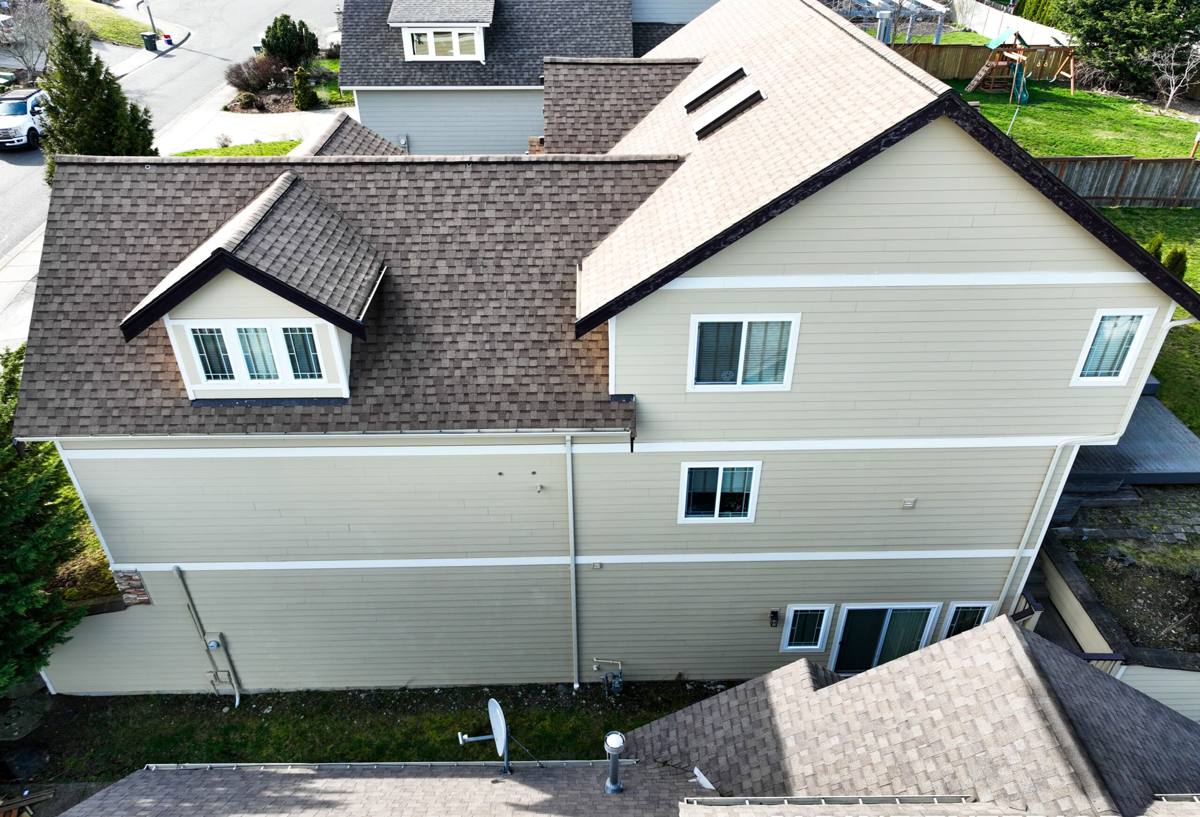
What Whatcom County's Climate Actually Does to a Deck
Moisture Is the Real Enemy
Wood rot, fastener corrosion, and structural failure almost always trace back to trapped or repeated moisture, not a single storm. Yew Street's tree cover and proximity to Lake Whatcom mean shade and humidity linger on deck surfaces long after a rain has passed. Boards that don't get a chance to dry out between weather systems stay damp at the board-to-joist contact points, which is exactly where rot starts and exactly where it's hardest to see until it's advanced.
Moss Isn't Just Cosmetic
Moss on a deck surface is a maintenance nuisance, but moss and algae growing in the gaps between boards or in ledger connections hold moisture against the wood and accelerate decay. A deck built with tight, unventilated board spacing or without attention to drainage underneath will grow moss faster and rot sooner than one built with airflow and drainage in mind from the start.
Corrosion From Salt-Laden Air
Homes in Whatcom County's marine climate see faster corrosion on exposed metal than homes further inland. Standard fasteners, cheap post bases, and unrated hardware can start rusting and losing holding strength years before the decking itself shows wear. This is one of the most common causes of squeaky, loose, or unsafe decks we get called out to fix.
What a Correctly Built Deck Involves
Footings and Framing
Everything above ground depends on what's below it. Footings need to be sized and set to local frost and soil conditions, and the framing needs to be built with pressure-treated lumber rated for ground contact where it's called for, with joist hangers and connectors rated for exterior, corrosive-resistant use. On sloped or partially shaded Yew Street lots, proper footing placement also matters for drainage — water needs somewhere to go besides pooling under the deck.
Ledger Attachment
The ledger board — where the deck attaches to the house — is the single most common point of failure on older decks in wet climates. Done right, it includes proper flashing that sheds water away from the house framing rather than trapping it behind the ledger. This is a detail that's invisible once the deck is finished, which is exactly why it's the detail most often cut corners on by crews in a hurry.
Fasteners and Hardware
We use exterior-rated, corrosion-resistant fasteners and connectors throughout — not because it's required on paper, but because in this climate, mismatched or bargain hardware is where decks start failing first. A deck is only as durable as its weakest connection point.
Decking Surface and Board Spacing
Board spacing, gapping, and orientation all affect how quickly a deck dries out after rain. We space and install decking to allow airflow and drainage underneath, which slows moss growth and reduces the moisture cycling that ages wood and composite decking alike.
Choosing the Right Decking Material for Yew Street
There's no single "best" decking material — the right choice depends on how much maintenance you want to take on, your budget, and how much sun or shade your particular lot gets. Here's how the common options actually compare in a wet, moss-prone climate like ours.
| Material | Moisture & Moss Behavior | Maintenance | Typical Lifespan |
|---|---|---|---|
| Pressure-treated wood | Absorbs moisture; needs sealing to resist moss and rot | Annual cleaning and re-sealing recommended | 10–15 years with upkeep |
| Cedar | Naturally rot-resistant but still needs treatment in shaded, damp spots | Periodic cleaning and finish maintenance | 15–20 years with upkeep |
| Composite (uncapped) | Better moisture resistance than wood but can still stain and grow surface moss in deep shade | Low; occasional cleaning | 15–25 years |
| Capped composite / PVC | Best moisture and moss resistance; sealed surface resists staining | Very low; rinse as needed | 25+ years |
On heavily shaded Yew Street lots near mature trees, we typically steer homeowners away from uncapped wood left unsealed — the maintenance burden to keep moss and mildew off a shaded wood deck is real and ongoing. Capped composite costs more upfront but trades that cost for far less annual maintenance, which matters most on lots that don't get much direct sun to dry the surface out. Wood and cedar are still excellent choices for homeowners who want that traditional look and are willing to stay on top of sealing and cleaning — we're glad to build either, we just want the trade-offs understood up front rather than discovered a few winters in.
Design Considerations Specific to Yew Street Lots
Many homes in this part of Sudden Valley sit on wooded, sloped, or partially shaded lots. That changes some of the standard deck-building decisions:
- Shade and drying time: Decks under heavy tree canopy dry more slowly and need extra attention to board spacing, joist tape, and drainage detailing underneath.
- Slope and elevation changes: Sloped lots common in this area often call for taller footings, engineered stairs, or multi-level deck designs rather than a simple single-level box.
- Tree proximity: Roots and overhanging limbs affect footing placement and long-term debris accumulation, which feeds moss growth if not planned for.
- Views and orientation: Many Sudden Valley properties are built to take advantage of lake or treeline views, which we factor into deck layout and railing choices so the structure works with the site, not against it.
Our Process From First Call to Finished Deck
1. On-Site Estimate
We walk the property, look at drainage, sun exposure, existing structures, and access, and talk through what you actually want to use the space for before recommending materials or a layout.
2. Design and Material Selection
We put together a plan and a materials recommendation based on your lot's specific conditions — shade, slope, and how much upkeep you want to take on long-term — along with a clear, itemized quote.
3. Permitting
Deck projects in Whatcom County often require a permit depending on size, height, and attachment to the home. We handle that process so you're not stuck figuring out county requirements on your own.
4. Construction
Footings, framing, flashing, decking, and railings are built in sequence with inspections at the structural stages that matter. We don't skip the ledger flashing or hardware upgrades to save time — those are the details that determine whether this deck is still solid in twenty years.
5. Final Walkthrough
We walk the finished deck with you, cover basic care for whatever material you chose, and make sure everything meets what we quoted before we call the job done.
Keeping a Yew Street Deck Solid Through Moss Season
Even a well-built deck needs some seasonal attention in this climate. A little consistency goes a long way toward avoiding costly repairs later.
- Sweep leaves, needles, and debris off the deck surface regularly, especially in fall — trapped organic material is what feeds moss and mildew growth.
- Rinse or lightly scrub moss and algae off the surface before it gets a chance to establish, rather than after it's spread.
- Check that gaps between boards and any drainage points underneath the deck stay clear so water can keep moving through and off.
- Inspect railings, stairs, and ledger attachment points once a year for looseness, rust staining, or soft spots — these are early warning signs, not just cosmetic issues.
- Re-seal wood or cedar decking on the manufacturer's recommended schedule rather than waiting until it visibly needs it.
Cost Factors for a Custom Deck in This Area
Every deck is priced around its own site conditions and material choices, but the same handful of factors drive cost on nearly every project we build in the Sudden Valley area.
| Factor | How It Affects Cost |
|---|---|
| Decking material | Pressure-treated wood is the lowest upfront cost; capped composite runs highest but lowest lifetime maintenance cost |
| Footing depth and count | Sloped or uneven Yew Street lots often need more or deeper footings than a flat, easy-access lot |
| Elevation and stairs | Multi-level decks and stair systems on sloped lots add framing, railing, and labor |
| Railing style | Cable, glass, or custom railing systems cost more than standard baluster railing |
| Site access | Wooded or tight-access lots can add labor time for material staging and equipment |
As a general guide, homeowners in this area typically see finished deck costs ranging from moderate for a straightforward pressure-treated deck up to significantly more for a large, multi-level capped composite deck with custom railings. We give you a firm, itemized number after seeing the site — not a rough guess over the phone.
Why It Matters to Hire a Crew That Already Works This Area
A lot of the mistakes we get called to fix — moss-trapping board spacing, missing ledger flashing, bargain hardware already rusting after a couple of winters — come from decks built by crews using a generic approach that doesn't account for Whatcom County's specific climate. A contractor who already understands how Yew Street's shade, slope, and moisture patterns behave doesn't have to learn that on your project. That familiarity shows up in footing placement, material recommendations, and drainage details that a one-size-fits-all approach tends to miss.
It also matters for the long haul. A local crew is easy to reach for warranty work, seasonal questions, or a maintenance check a few years down the line — not a company that built one deck in the neighborhood and moved on.
Ready to Talk About Your Deck?
If you're planning a new deck or replacing one that's showing its age, we're happy to come take a look, walk the site with you, and put together a straightforward, no-pressure estimate. There's no cost and no obligation — just an honest assessment of what your property needs and what it would take to build it right. Use the form below to get started.