 Sudden Valley Siding
 Why Sunnyland Roofs Wear Out Faster Than the Manufacturer's Warranty Suggests
Every roofing material sold in this country carries a warranty written for average conditions somewhere in the middle of the country. Sunnyland doesn't have average conditions. Between the salt-laden air drifting in off the water, driving rain that comes in sideways during fall and winter storms, and a moss season that can stretch from October well into spring, roofs here take a beating that a lot of manufacturer literature never accounts for. We've replaced roofs on homes that were nowhere near their "rated" lifespan on paper but were already failing underneath the shingles.
That's not a knock on any particular product — it's just what happens when a roof spends most of the year damp, shaded, and exposed to airborne salt. Metal fasteners corrode faster. Algae and moss take hold in valleys and north-facing slopes that never fully dry out. Underlayment that would last decades in a drier climate gets pushed past its useful life by constant moisture cycling. A roof replacement done right for a Sunnyland home has to account for all of that, not just match what's already up there.
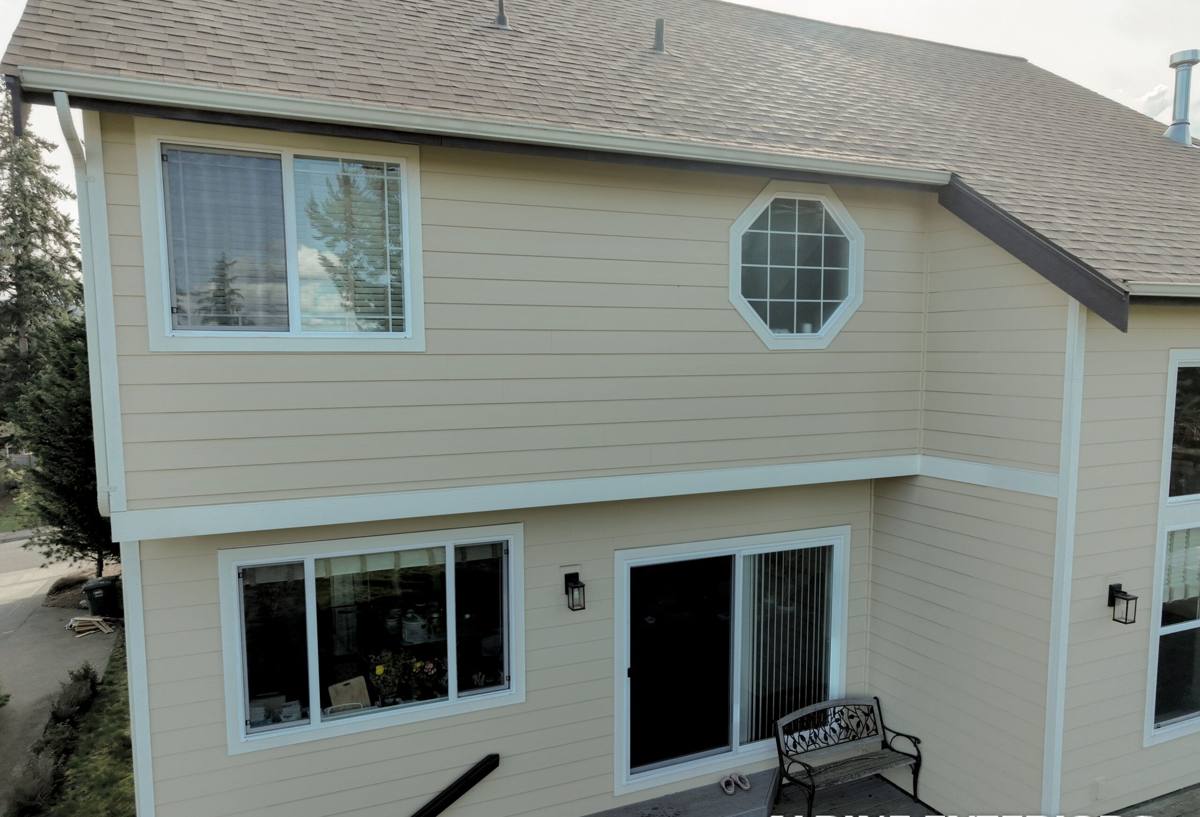
Signs a Sunnyland Roof Is Ready for Replacement, Not Another Repair
Repairs make sense when a roof has isolated damage and years of life left in the rest of the system. Replacement makes sense when the underlying materials — decking, underlayment, flashing — are failing broadly, even if the shingles on top still look okay from the street. In this climate, that gap between "looks fine" and "is fine" tends to be bigger than homeowners expect, because moss and moisture damage happen from the inside out.
- Granules collecting in gutters or at downspout outlets, especially after a storm
- Moss established in the shingle mat itself, not just sitting loose on the surface
- Soft or spongy spots when walked (our crew checks this, not something to test yourself)
- Daylight visible through the roof deck from inside the attic
- Curling, cupping, or cracked shingles concentrated on shaded or north-facing slopes
- Stains on interior ceilings or in the attic that reappear after every heavy rain
- A roof older than 18–20 years for asphalt composition, even if it "looks okay"
- Flashing around chimneys, skylights, or vent pipes that's rusted, lifted, or resealed with visible caulk patches
Any one of these on its own might still be a repair. Two or three together, especially combined with age, usually means the roof system as a whole is past the point where patching makes financial sense.
What a Correct Roof Replacement Actually Involves
Full Tear-Off, Not a Layover
We remove the existing roofing down to bare decking on every replacement. Installing new shingles over an old layer is sometimes allowed by code and looks like a shortcut worth taking, but it traps moisture, hides deck damage, and voids most manufacturer warranties outright. In a climate that already fights moisture from every direction, layering roofs on top of each other is the last thing a Sunnyland home needs.
Deck Inspection and Repair
Once the old roofing is off, we inspect the plywood or plank decking underneath. Any wood that's soft, delaminated, or water-stained gets replaced before anything new goes down — installing new roofing over compromised decking just guarantees a repeat job in a few years.
Ice-and-Water Protection Where It Matters
Eaves, valleys, and any low-slope transitions get self-adhered ice-and-water membrane, not just standard felt or synthetic underlayment. In a region where driving rain can push water sideways under shingles, this membrane is the difference between water staying out and water finding its way into the deck at the weak points.
Flashing Done Properly
Chimneys, skylights, sidewalls, and vent penetrations are where the majority of roof leaks actually start — not out in the open field of the roof. We install new step flashing, counter-flashing, and pipe boots at every replacement rather than reusing old flashing, because flashing that's already corroding from years of salt air isn't worth trying to save.
Ventilation That Actually Works
A roof deck that can't breathe traps moisture from inside the house, which accelerates rot and shortens shingle life from underneath. We check intake (soffit) and exhaust (ridge or box vents) balance on every project and correct it where the existing setup is undersized or blocked — a common issue on older Sunnyland homes that were built before current ventilation standards.
Choosing the Right Roofing Material for This Climate
There isn't one "best" roofing material — there's a best fit for a given home, budget, and how much upkeep the owner wants to take on. Here's how the common options actually perform under Sunnyland conditions:
| Material | Moss & Moisture Resistance | Typical Lifespan Here | Maintenance |
|---|---|---|---|
| Architectural asphalt composition | Good with algae-resistant granules; needs periodic moss removal | 20–30 years | Low to moderate — occasional cleaning |
| Standing seam metal | Excellent — moss and moisture largely shed off | 40–50+ years | Very low |
| Cedar shake/shingle | Poor without diligent upkeep — absorbs moisture, feeds moss | 15–25 years with consistent maintenance | High — regular treatment and cleaning required |
| Synthetic/composite shingle | Good — engineered to resist moisture uptake | 30–40 years | Low |
We install cedar shake when a homeowner specifically wants that look and understands the maintenance commitment, but we don't recommend it as a default choice in this climate — the moisture absorption and moss susceptibility that make it a maintenance-heavy product elsewhere are magnified here. For most Sunnyland homes, a quality architectural asphalt shingle with algae-resistant granules or a standing seam metal roof gives the best balance of performance and upkeep.
How Our Roof Replacement Process Works
- On-site inspection: We walk the roof, check the attic, and look at flashing, ventilation, and deck condition — not just the shingles.
- Written estimate: A clear scope and price, broken down by material, tear-off, deck repair allowance, and labor, so there's no guessing what's included.
- Material selection: We walk through the trade-offs for your home specifically — slope, sun exposure, budget, and how much maintenance you want to do.
- Scheduling around weather: Roof replacement needs a dry window. We plan around the forecast rather than rushing a roof on in the rain and hoping the underlayment holds.
- Tear-off and deck repair: Full removal, deck inspection, and replacement of any compromised sheathing.
- Underlayment, flashing, and new roofing installed: Built up in the order that actually keeps water out, not just what's fastest.
- Cleanup and magnetic sweep: Debris and stray fasteners removed from the yard and driveway before we leave.
- Final walkthrough: We go over the finished roof with you and answer questions before calling the job complete.
What Roof Replacement Costs and What Drives the Price
We won't quote a number without seeing the roof — pitch, layout complexity, deck condition, and material choice all move the price significantly. But these are the main factors that determine where a project lands:
| Factor | Effect on Cost |
|---|---|
| Roof size and number of facets/valleys | More cuts and seams mean more labor and material |
| Roof pitch | Steep roofs require more safety setup and slower, more careful work |
| Deck condition | Rotten or soft decking found during tear-off adds material and labor |
| Material choice | Asphalt composition is the most budget-friendly; metal and cedar cost more upfront |
| Access | Difficult driveway or yard access can add setup time and equipment cost |
| Number of penetrations | Each skylight, chimney, or vent needs its own flashing detail |
Broadly, asphalt composition roofs on a typical single-family home run toward the lower end of the market, while standing seam metal runs higher upfront but lower over the life of the roof given how little maintenance it needs. We'll lay out the real numbers for your specific roof at the estimate — not a phone-quote guess.
Why a Crew That Already Works Sunnyland Matters
Roofing crews that mostly work drier inland climates tend to build in the habits of that climate — lighter underlayment specs, less attention to ventilation balance, flashing details that are technically code but not built with a wet, mossy environment in mind. A crew that regularly works Sunnyland and the rest of Whatcom County already knows which slopes hold moss longest, which flashing details tend to fail first in salt-laden air, and which ventilation setups actually keep decking dry through a wet winter. That's not something you can fully substitute with a generic install — it comes from doing the work here, repeatedly, and seeing what holds up and what doesn't.
It also matters for permitting and inspection — local building requirements and typical wind/snow load considerations for this part of Whatcom County are second nature to a crew that works here regularly, rather than something looked up for the first time on a given job.
Keeping a New Roof Performing After Installation
A correctly installed roof still needs some basic upkeep in this climate to hit its full lifespan:
- Clear moss buildup before it establishes in the shingle mat, not after — annual or biannual cleaning is typical here
- Keep gutters clear so water isn't backing up under the eave line during heavy rain
- Trim back overhanging branches that keep sections of the roof shaded and slow to dry
- Have flashing and penetrations checked periodically, especially after major storms
- Address small leaks immediately rather than waiting — small deck damage is a repair, widespread deck damage is a replacement
We're happy to talk through a maintenance schedule that fits your specific roof and material at the time of installation.
Get a Straight Answer on Your Sunnyland Roof
If you're not sure whether your roof needs repair, replacement, or just a good cleaning, the fastest way to find out is to have someone look at it in person. We offer free, no-pressure estimates for Sunnyland homeowners — we'll tell you honestly what we find, walk you through the options, and give you a clear price if replacement is the right call. Use the form below to get started.