 Sudden Valley Siding
 Storm Damage Roof Repair Built for Silver Beach's Lake Whatcom Climate
Silver Beach sits along Lake Whatcom, close enough to Sudden Valley that the two communities share the same weather patterns, the same tree cover, and the same roofing problems. Homes here take a different kind of beating than houses out on open ground. The lake basin holds moisture, the surrounding conifers drop limbs and needles year-round, and Whatcom County's marine climate keeps everything damp for months at a stretch. A roof that would be fine in a drier part of the state can develop real problems here if storm damage isn't caught and repaired correctly the first time.
This page covers exactly one job: storm damage roof repair for Silver Beach homes. Not a full re-roof pitch, not a general service list — what actually happens to roofs in this specific area, what a repair needs to include to hold up, and why it matters to hire a crew that already works this part of the lake.
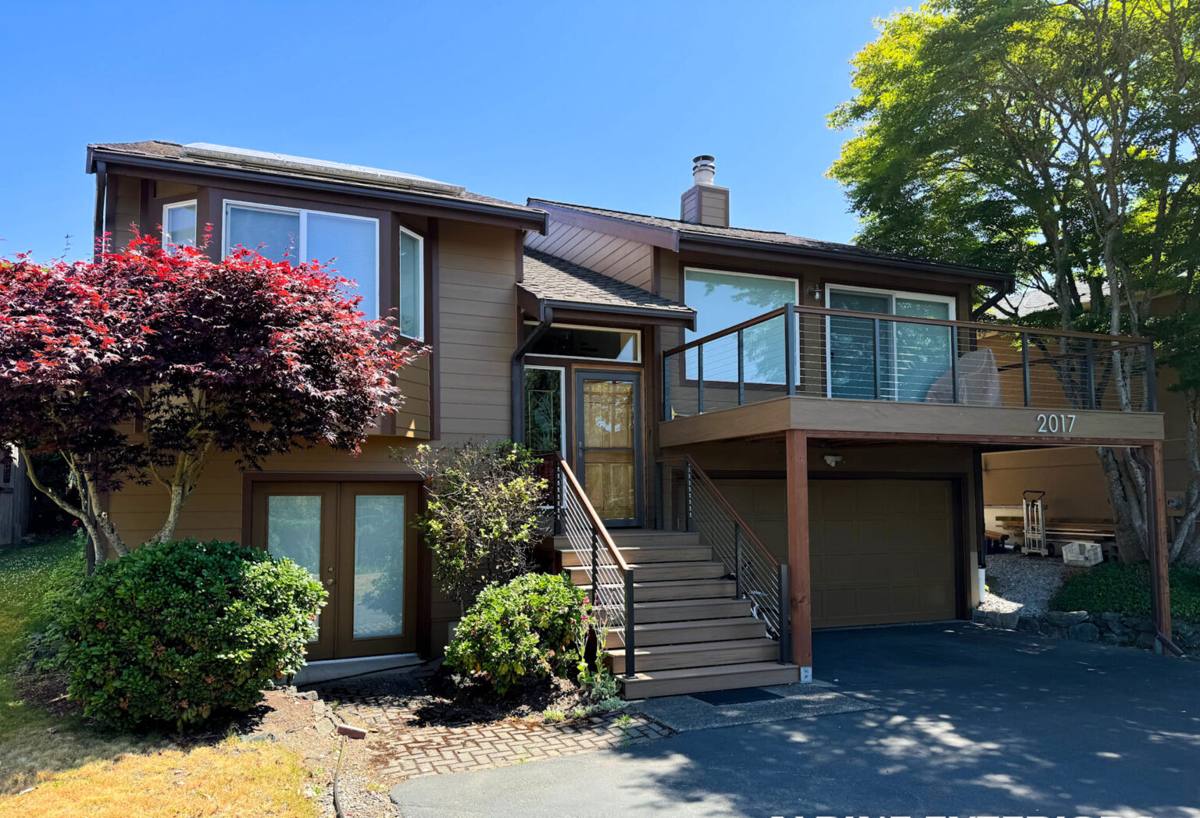
How Local Storms Damage Silver Beach Roofs
Wind-Driven Rain and Failed Flashing
Storms coming off the water don't just drop rain straight down — wind pushes it sideways, up under shingle tabs, and into any gap in the flashing around chimneys, skylights, and roof-to-wall transitions. A roof can look intact from the ground after a storm and still be taking on water at a valley or a step-flashing joint that opened up in the wind. That kind of leak often shows up as a stain on a ceiling weeks later, long after the storm that caused it.
Falling Limbs and Debris From the Tree Canopy
Lake Whatcom communities have heavy tree cover, and that canopy is both an asset and a liability. Wind events knock down branches, and even small limbs falling from height can crack shingles, dent gutters, or punch through underlayment at an impact point that isn't visible unless someone is up there looking for it. Needle and cone debris also piles up in valleys and behind chimneys, holding water against the roof surface long after the storm has passed.
Moss, Needle Buildup, and Trapped Moisture
Whatcom County's long wet season means moss isn't a cosmetic issue here — it's a moisture problem. Moss holds water against the shingle surface, works its way under tabs, and lifts the edges enough for wind-driven rain to get underneath during the next storm. A lot of what looks like fresh storm damage is really storm damage on top of a roof that was already weakened by months of moss growth. Any honest repair has to deal with both.
What a Correct Storm Damage Repair Actually Involves
A quick patch job can stop a leak for a season and still leave the underlying problem in place. A correct repair addresses the covering, the layer underneath it, and the flashing details around it — not just the spot where water is currently getting in.
- Full roof inspection, not just the damaged section, since wind and debris damage rarely stay confined to one spot
- Removal of moss, needles, and debris from valleys, behind chimneys, and along eaves before any repair work starts
- Inspection of the decking underneath removed shingles for soft spots or rot from prior undetected leaks
- Replacement of damaged underlayment, not just the visible shingles, in the affected area
- Flashing check and repair at chimneys, skylights, valleys, and wall transitions — the most common source of storm leaks
- Shingle or material match as close as reasonably possible to the existing roof, with a clear conversation about visible blending if an exact match isn't available
- Gutter and downspout check, since storm debris and moss runoff both collect there and can back water up under the roof edge
- Written scope of what was found and what was repaired, useful for your own records and for insurance if you're filing a claim
Our Storm Damage Repair Process
We keep the process straightforward because storm damage is stressful enough without a confusing back-and-forth about what happens next.
- Contact and initial description. Tell us what you're seeing — a leak, visible damage, debris on the roof — and roughly when the storm happened.
- On-site inspection. We walk the roof, check the attic or ceiling from the inside where accessible, and document what we find with photos.
- Scope and estimate. You get a written explanation of what's damaged, what needs to be repaired, and an honest range for the cost before any work starts.
- Temporary protection if needed. If there's an active leak, we can tarp or seal the area to stop further water intrusion while repair materials are sourced.
- Repair. We remove and replace damaged materials down to sound decking, correct any flashing issues found, and clean debris from the roof and gutters.
- Final walkthrough. We show you what was done and point out anything worth keeping an eye on going forward.
Repair Scope and Cost Factors
Every storm damage job is different, but most fall into a few general categories. These are broad ranges to help you think about scope — your actual estimate depends on what we find on the roof.
| Damage Type | Typical Scope | Rough Cost Range |
|---|---|---|
| Isolated shingle damage from debris | Small patch, matching shingles, flashing check nearby | Several hundred dollars |
| Flashing failure at chimney or valley | Flashing replacement, localized shingle repair | $500 – $1,500 |
| Moss-weakened section with active leak | Moss removal, underlayment and decking check, shingle replacement | $1,000 – $3,500 |
| Wind-lifted or torn-off section | Partial tear-off, decking repair as needed, full reroof of section | $2,500 – $8,000+ |
| Widespread damage across multiple planes | Larger partial or full reroof evaluation | Varies — full inspection required |
If damage turns out to be widespread once we're on the roof, we'll tell you that plainly rather than trying to patch around a bigger problem.
Why a Crew That Already Works Silver Beach Matters
Roofing crews who don't normally work the Lake Whatcom area sometimes underestimate how much moss and moisture retention affects a roof's condition, or they price a job based on a drier climate's maintenance schedule. A crew that already works Silver Beach and Sudden Valley knows the difference between fresh storm damage and moss-related deterioration that was building up before the storm, and prices the repair accordingly instead of guessing.
There's also a practical side to it. After a significant windstorm, roofers get busy fast across Whatcom County, and crews with no local presence often can't get to smaller residential jobs quickly. A local crew can typically respond faster for tarping and initial assessment, which matters when water is actively getting into the house.
Insurance Claims and Documentation
Most homeowner's insurance policies cover storm damage, but the claim process goes smoother with clear documentation. We take photos of the damage before starting repair work and provide a written description of what we found and what was done, which you can submit alongside your own claim paperwork. We're glad to talk through what we're seeing on the roof so you understand the damage in plain terms — we don't handle the claim itself, but we make sure you're not walking into that conversation without solid documentation.
A few things worth knowing before you file:
- Take your own photos from the ground as soon as it's safe, before any cleanup happens
- Note the date of the storm — insurers often ask for it, and it can be hard to pin down later
- Get an inspection promptly; some policies have windows for filing storm-related claims
- Keep any receipts for temporary protection like tarping, since that's often reimbursable
After the Repair: Keeping Moss and Moisture From Coming Back
A storm repair fixes the immediate damage, but Silver Beach's climate means the conditions that contributed to it — shade, moisture, tree debris — don't go away. A little upkeep afterward goes a long way toward avoiding a repeat visit.
- Clear needles and debris from valleys and behind chimneys once or twice a year, especially after fall storms
- Keep gutters clear so water isn't backing up under the roof edge during heavy rain
- Trim back branches that overhang the roof to reduce both debris and shade that keeps moss growing
- Have the roof looked at after any significant wind event, even if you don't see an obvious leak
If you're dealing with storm damage on a Silver Beach or Sudden Valley roof, we're happy to take a look and give you a straight answer about what's going on. The estimate is free, there's no pressure to move forward, and you'll get a clear written explanation of what we find — just fill out the form below to get started.