 Sudden Valley Siding
 Composite Decking Built for Sehome's Climate, Not Just Its Curb Appeal
Sehome sits close enough to Bellingham Bay that salt-laden air is a daily fact of life, and far enough into Whatcom County's wet season that a deck can stay damp for weeks at a stretch. Homeowners here aren't just choosing decking for looks. They're choosing a material that has to survive a specific combination of stresses: airborne salt that accelerates corrosion on fasteners and hardware, driving rain that gets under railings and around posts, and a moss season that can run from fall through spring if a deck doesn't drain and dry the way it should.
Composite decking, installed correctly, handles that combination better than most alternatives available to homeowners in this neighborhood. But "composite decking" isn't one product, and "installed correctly" isn't automatic. This page covers what actually matters for a composite deck built to last in Sehome's specific conditions — not composite decking in general.
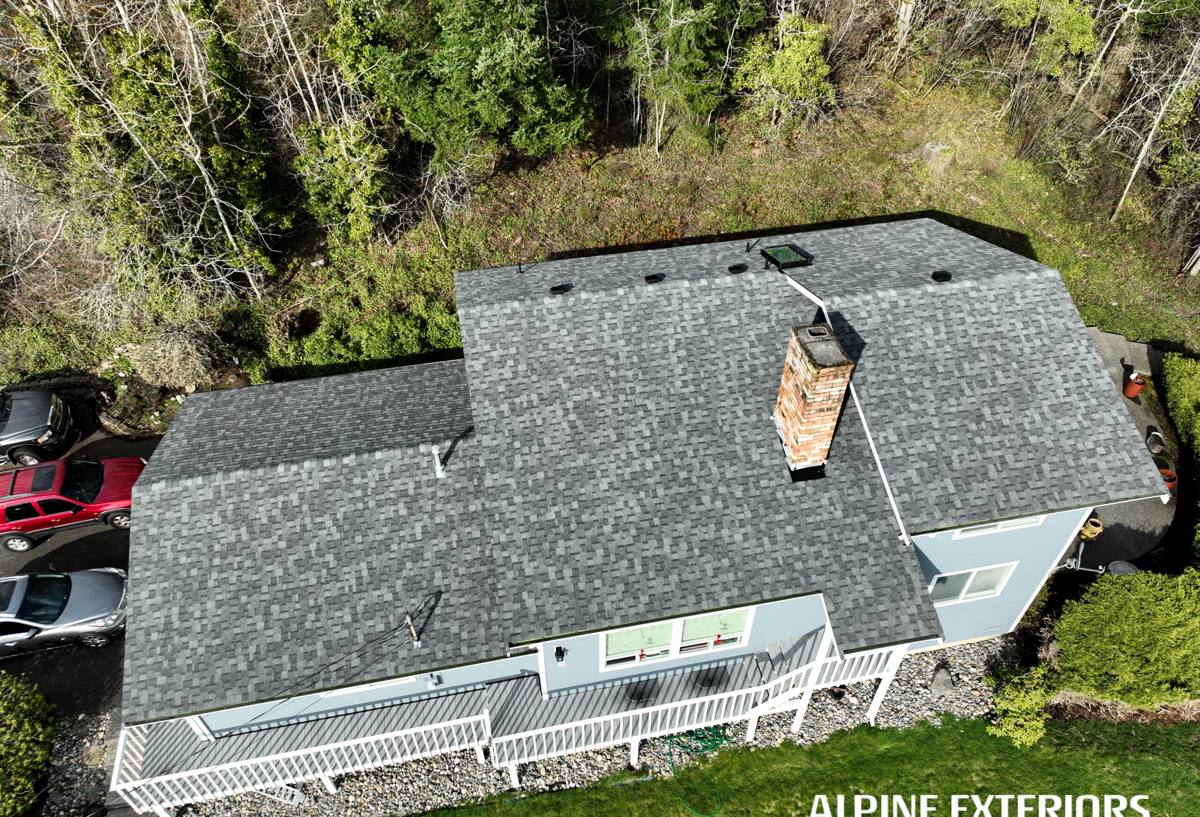
What Sehome's Weather Actually Does to a Deck
Salt Air and Metal Fasteners
Proximity to the bay means a fine layer of salt settles on exterior surfaces over time, even blocks inland. On a deck, the fasteners, brackets, and hidden hardware are what take the hit first. Standard fasteners can corrode and streak the decking surface or weaken over years of exposure. This is a hardware selection issue as much as a decking material issue, and it's one that's easy to overlook if a crew is used to building inland where salt exposure isn't a factor.
Driving Rain and Water Intrusion
Storms coming off the water in this part of Whatcom County don't fall straight down — wind pushes rain sideways into railings, fascia boards, and the gap where decking meets the house. Water that gets behind or underneath a deck surface and can't escape is the single biggest cause of long-term deck problems, composite or otherwise: trapped moisture leads to substructure rot, mold, and premature hardware failure even when the decking boards themselves are holding up fine.
A Long Moss Season
Whatcom County's damp, mild winters and shoulder seasons give moss and algae a long window to establish themselves on any surface that stays shaded and wet. Decks under trees or on the north side of a house are especially exposed. Moss isn't just cosmetic — it holds moisture against the deck surface and can make boards slick and unsafe underfoot if it's allowed to spread unchecked.
Composite vs. Wood Decking for a Sehome Property
Both materials can work in this climate, but they demand different levels of upkeep and behave differently over time. Here's the honest comparison, based on how each material actually performs under the conditions described above rather than manufacturer marketing.
| Factor | Composite Decking | Pressure-Treated Wood |
|---|---|---|
| Moisture absorption | Very low; resists swelling and cupping | Absorbs water; prone to warping and splitting over time |
| Moss and algae resistance | Better surface resistance; still needs periodic cleaning | Porous surface holds moisture, feeds moss growth faster |
| Fastener corrosion risk | Depends entirely on hardware chosen, not the decking itself | Same risk; treated lumber chemicals can accelerate galvanic corrosion |
| Refinishing needs | None — no staining or sealing required | Needs re-staining or sealing every 1-3 years in this climate |
| Upfront cost | Higher material cost | Lower material cost |
| Long-term cost | Lower over 15-20 years due to minimal maintenance | Higher over time due to recurring maintenance and earlier replacement |
For homeowners who want to spend weekends doing something other than deck maintenance, composite is usually the better long-term fit for this climate. It's not maintenance-free — nothing exposed to Whatcom County weather is — but it's maintenance-light compared to wood.
What a Correct Composite Deck Installation Involves
The decking boards themselves get most of the attention, but in this climate, what's underneath and around them matters just as much for how the deck holds up.
Substructure and Framing
Joists and beams need to be either naturally decay-resistant or properly treated, and protected from standing moisture. Joist tape or a comparable barrier over the top of framing members keeps water from sitting where fasteners penetrate the wood — a detail that's easy to skip and expensive to fix later once decking is installed over it.
Drainage and Airflow Underneath
A deck that can't shed water and dry out underneath will stay damp longer after every storm, which is exactly what feeds moss and accelerates hardware wear. Proper slope away from the house, adequate ventilation gaps, and clearance from grade all matter more here than they would in a drier climate.
Hardware and Fastener Selection
Given the salt air, hardware needs to be rated for coastal or corrosive environments — not just "exterior grade." This applies to hidden fastener clips, structural screws, post bases, and railing brackets alike. Mixing incompatible metals can also cause galvanic corrosion, so the hardware system needs to be consistent, not assembled from whatever's on hand.
Expansion Gaps and Board Spacing
Composite boards expand and contract with temperature and moisture changes. Gaps that are too tight can cause buckling; gaps that are too wide look sloppy and create tripping hazards. Manufacturer spacing specs exist for a reason and vary by product and board length.
Flashing Where the Deck Meets the House
The ledger board connection — where the deck attaches to the house — is one of the most common places for water intrusion on any deck. Correct flashing here is what keeps driving rain from working its way behind siding and into the structure over time.
Our Process for a Sehome Composite Deck Project
We approach every deck project the same structured way, adjusted for the specific site conditions on your property.
- Site assessment: We look at drainage, sun/shade exposure, tree cover, and how exposed the location is to wind-driven rain off the bay.
- Design and material selection: We walk through composite decking options and hardware suited to this climate, matched to your budget and how you'll use the space.
- Substructure work: Framing, joist protection, and drainage are addressed before a single decking board goes down — this is the part of the job that determines how the deck performs in five or ten years, not just how it looks on day one.
- Installation: Boards are installed to manufacturer spacing and fastening specs, with attention to the ledger flashing and any railing or stair connections.
- Final walkthrough: We go over the finished deck with you, including what maintenance it actually needs going forward.
Maintenance in a Moss-Prone Climate
Composite decking cuts down on maintenance significantly compared to wood, but "low maintenance" isn't "no maintenance" in a climate like this one. A little seasonal attention goes a long way toward keeping a composite deck looking and performing the way it should.
- Sweep debris off the deck regularly, especially fallen leaves and needles that trap moisture against the surface
- Rinse the deck periodically to prevent salt residue and organic buildup from setting in
- Clean moss or algae promptly with a soft-bristle brush and a cleaner appropriate for composite material — avoid pressure washers on high settings, which can damage the board surface
- Keep gutters and downspouts near the deck clear so runoff isn't dumping extra water onto or under the deck
- Check railings and stairs seasonally for any looseness, since hardware is what typically shows wear first in this climate
- Trim back overhanging branches that keep sections of the deck shaded and slow to dry
Why It Matters That We Already Work in Sehome
A lot of deck problems in this climate don't come from bad decking material — they come from installation details that work fine in a drier, calmer climate but fail here. A crew that hasn't dealt with wind-driven rain off Bellingham Bay or a Whatcom County moss season might not think twice about standard fasteners or a tight ventilation gap. Those are the details that separate a deck that looks good for two years from one that holds up for two decades.
Working regularly in Sehome and the surrounding Bellingham area means we've seen how decks in this specific setting actually age — where moisture collects, which exposures take the worst weather, and what maintenance homeowners realistically keep up with. That local pattern recognition shapes how we frame, flash, and fasten every deck we build here.
Get a Straightforward Estimate
If you're weighing composite decking for your Sehome property, we're happy to walk your site, talk through material and hardware options suited to this climate, and give you a clear, no-pressure estimate. Use the form below to get started.