 Sudden Valley Siding
 Why Lake Whatcom Roofs Wear Out Differently
Homes around Lake Whatcom deal with a combination of conditions that most roofing crews from outside the area underestimate. The lake itself keeps humidity high through the fall and winter, mature evergreen canopy shades large sections of most roofs for much of the day, and Whatcom County's marine-influenced weather sends long stretches of driving rain in off the Sound and the Strait. That mix of moisture, shade, and salt-tinged marine air is exactly what accelerates moss growth, algae staining, and slow shingle breakdown on a lake-adjacent roof compared to a roof out in open sun a few miles inland.
None of this means a roof around Lake Whatcom needs anything exotic. It means the details that get skipped on a rush job — proper ventilation, correct underlayment, moss-resistant material choices, and flashing that actually sheds water instead of trapping it — matter more here than they do in a drier, sunnier neighborhood. A replacement done right the first time will outlast one that ignores the local climate by years.
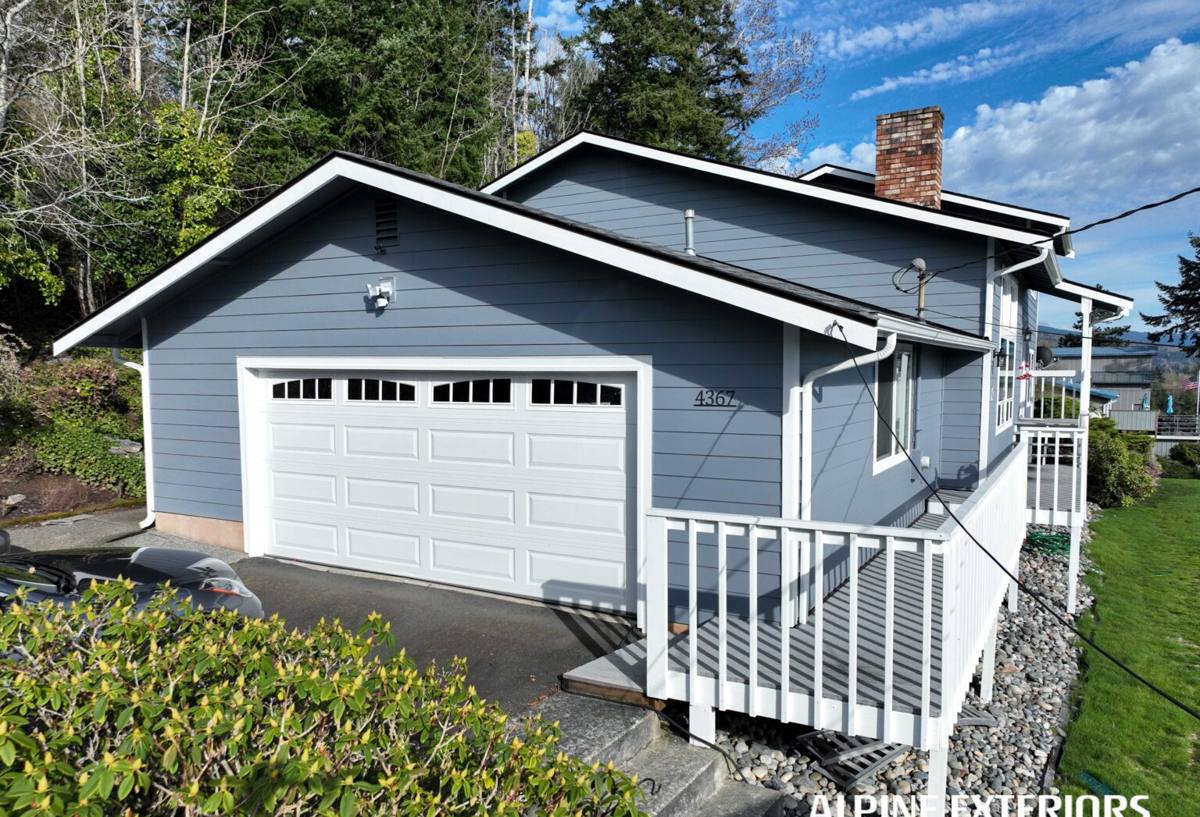
Signs Your Roof Has Reached the End of Its Life
Roofs rarely fail all at once. Around the lake, the warning signs usually show up as a slow accumulation of small problems that add up to a replacement decision. Before you spend more money patching, walk your property and check for these:
- Moss colonies on the north-facing or shaded slopes, especially where it's thick enough to lift shingle edges
- Granule loss showing up in gutters or downspouts after rain
- Shingles that are cupping, curling at the corners, or visibly brittle
- Dark streaking or algae staining that pressure washing doesn't fully remove
- Soft spots or sagging when you walk the attic or look at the roofline from the ground
- Daylight visible through the roof deck from inside the attic
- Water stains on interior ceilings or in the attic insulation
- A roof that's 20+ years old with no major work done since installation
One or two of these items might mean a repair is enough. Several together, especially combined with the roof's age, usually means repair costs start approaching replacement costs without buying you much extra life.
What a Correct Roof Replacement Actually Involves
Tear-Off and Deck Inspection
A proper replacement starts with a full tear-off down to the deck, not a layover on top of old shingles. This is the only point in the project where anyone can actually see the plywood or OSB underneath, and around Lake Whatcom that inspection matters — years of slow moisture intrusion under moss-covered shingles can soften or rot deck material in ways that aren't visible from the surface. Any soft or delaminated sections get replaced before anything else goes down.
Underlayment and Ice/Water Protection
Given the amount of driving rain this area sees, underlayment choice isn't a place to cut corners. Synthetic underlayment across the full roof, with self-adhering ice-and-water shield at eaves, valleys, and any low-slope transitions, gives the roof a real second line of defense if wind-driven rain ever gets under the primary roofing material.
Flashing
Most roof leaks that show up years after a replacement trace back to flashing, not the shingles themselves. Chimneys, skylights, sidewall intersections, and valleys all need new metal flashing installed correctly — not just caulked over old flashing to save time. This is one of the most common shortcuts on lower-bid jobs, and it's usually invisible until a leak shows up two or three winters later.
Material Installation
Whatever material is chosen, correct nailing patterns, proper exposure, and manufacturer-specified fastening are what actually determine wind resistance and warranty validity — not just the material itself. A premium shingle installed with shortcuts performs worse than a mid-grade shingle installed correctly.
Choosing the Right Roofing Material for a Lake Home
There's no single "best" roofing material for every home on the lake — the right choice depends on how much shade your roof sits under, your budget, and how the home is used. Here's an honest comparison of the options homeowners in this area typically weigh:
| Material | Moss/Algae Resistance | Typical Lifespan | Best Suited For |
|---|---|---|---|
| Standard 3-tab asphalt | Low — no built-in resistance | 15-20 years | Budget-conscious replacements on sun-exposed slopes |
| Architectural (algae-resistant) asphalt | Moderate-High — copper/zinc granules built in | 25-30 years | Most Lake Whatcom homes, especially shaded roofs |
| Metal (standing seam or panel) | High — sheds moss, minimal organic buildup | 40-50+ years | Heavily treed lots, steep pitches, long-term owners |
| Cedar shake | Low without diligent maintenance | 20-30 years with upkeep | Homeowners committed to regular cleaning/treatment |
We generally steer lake-area customers toward algae-resistant architectural shingles or metal for shaded roof planes. It's not that other materials are bad products — it's that cedar shake in particular demands a maintenance schedule (regular cleaning, periodic treatment) that most homeowners underestimate, and in a damp, shaded lake setting that upkeep gap shows up faster than it would on a dry, open lot. That's a maintenance-burden tradeoff we'll walk through honestly during your estimate, not a knock on the material itself.
Ventilation and Moisture Control: The Detail Most Roofs Get Wrong
A roof replacement that skips ventilation is only doing half the job. Attic ventilation controls how much heat and moisture build up under the deck, and in a humid, shaded, lake-adjacent climate, poor ventilation is one of the leading causes of premature shingle failure and hidden deck rot. We check intake (soffit vents) and exhaust (ridge vents) together as a system — one without the other doesn't move air the way it needs to. If your current attic has visible mold, damp insulation, or frost buildup in winter, that's a ventilation problem your new roof needs to solve, not just cover up.
How Our Process Works
- On-site estimate — we walk the roof (or inspect from ladder access where needed), check the attic, and assess deck condition, ventilation, and flashing points, not just count shingle squares.
- Written scope and material selection — you get a clear breakdown of what's being replaced, what materials are recommended and why, and a firm price before any work starts.
- Tear-off and deck repair — full removal, deck inspection, and replacement of any compromised sheathing.
- Underlayment, flashing, and installation — done to manufacturer spec so your warranty is actually valid, not just installed and hoped for.
- Final walkthrough and cleanup — magnetic sweep for nails, full site cleanup, and a walkthrough so you know exactly what was done.
What Affects the Cost of Your Roof Replacement
Every roof is a little different, and we'd rather explain the real cost drivers up front than quote a number that doesn't hold up on-site. The main factors are roof size and pitch, how much of the deck needs replacement once we're under the old material, the material tier you choose, and how much tear-off complexity there is — layers of old roofing, multiple penetrations, chimneys, or steep/high sections that need extra access work. A straightforward single-layer tear-off on a moderate pitch costs less than a steep, multi-plane roof with deck repair and complex flashing. We'll walk you through where your specific roof lands on that range during the estimate, not after the work has started.
Why It Matters That We Already Work in This Area
A crew that regularly works around Lake Whatcom already knows which slopes hold moss longest, which material choices actually hold up under the tree cover common here, and how the local weather pattern affects scheduling and drying time during a tear-off. That familiarity shows up in small but real ways — recommending the right underlayment for the amount of rain this area gets, knowing which flashing details tend to fail first on lake homes, and being available for follow-up if a question comes up after the job is done. It's the difference between a roof that's technically installed and one that's actually built for where it sits.
Keeping Your New Roof in Good Shape
A correctly installed roof still benefits from basic upkeep in a moss-prone climate like this one. Keep gutters clear so water isn't backing up under the eaves, trim back overhanging branches where practical to cut down on shade and debris, and have the roof looked at every couple of years rather than waiting for a visible problem. Moss caught early is a simple treatment; moss left for several seasons can start lifting shingles and shortening the roof's life regardless of how well it was installed.
If your roof around Lake Whatcom is showing its age or you just want an honest read on how much life it has left, we're glad to come take a look. The estimate is free, there's no pressure, and you'll get a straight answer either way — use the form below to get started.