 Sudden Valley Siding
 Siding Repair Built for Geneva's Climate
Homes in the Geneva area near Sudden Valley sit in a specific weather pocket. You're close enough to Bellingham Bay to catch salt-laden air moving up the Whatcom County coastline, exposed to driving rain off the water for much of the fall and winter, and shaded enough by mature trees and hillside that moss gets a long, uninterrupted growing season on north- and west-facing walls. None of that is unusual for this corner of Washington, but it does mean siding here fails in specific, predictable ways — and a repair that doesn't account for those patterns tends to fail again within a few years.
Salt air accelerates corrosion on fasteners, flashing, and any exposed metal trim. Driving rain finds every gap in caulking, every unsealed cut edge, and every spot where old siding was face-nailed too tight or too loose. And moss doesn't just look bad — it holds moisture against the wall surface for weeks at a time, which is exactly the condition that rots wood-based siding and lets water work its way behind panels that were installed without proper flashing or drainage gaps.
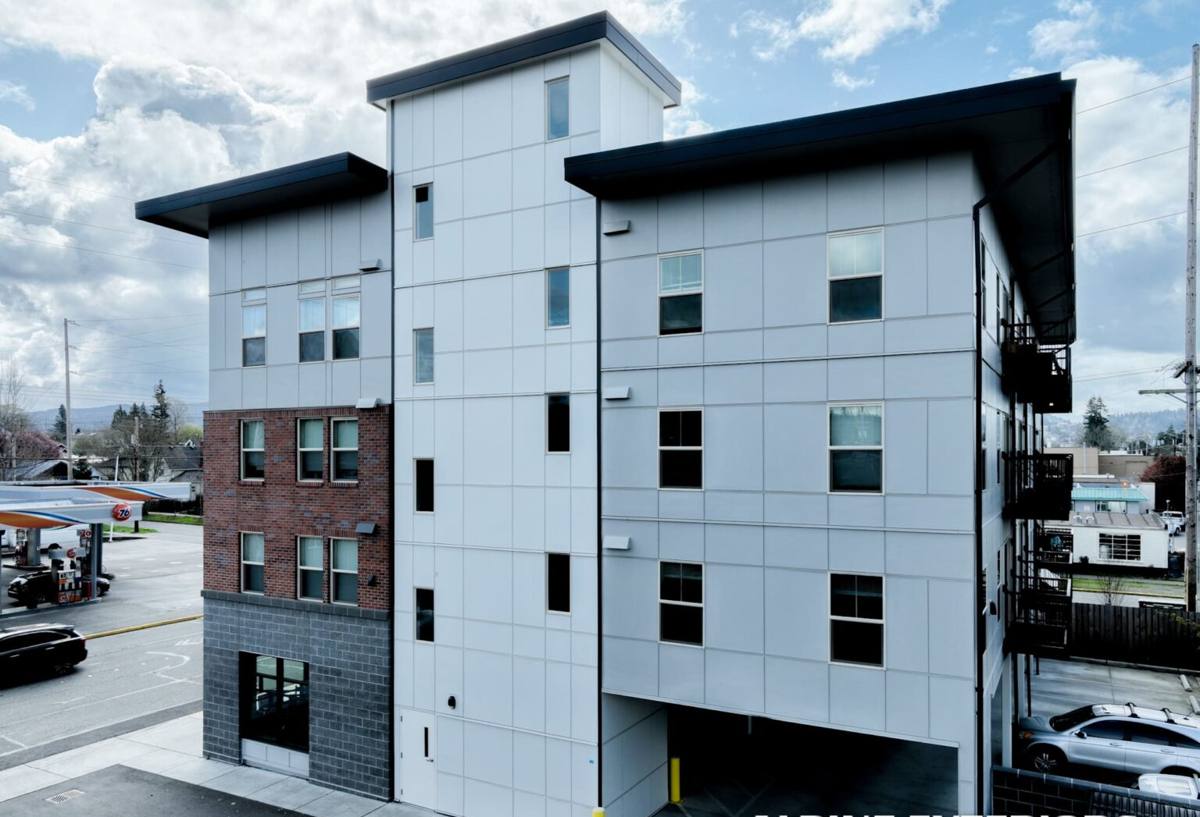
Signs a Geneva Home Needs Siding Repair
Most siding problems in this area don't show up as one dramatic failure — they show up as a handful of small, easy-to-miss signs that add up over a wet winter. Walk your exterior and look for:
- Soft or spongy spots when you press on the siding, especially near the bottom courses and around window trim
- Visible moss or algae buildup that doesn't wash off easily, particularly on the north and west walls
- Cracked, bubbling, or peeling paint that keeps coming back in the same spots year after year
- Gaps or separation at butt joints, corners, and where siding meets trim, window frames, or the foundation
- Rust streaking below nail heads or metal flashing
- Warped or bowed panels, which usually means moisture has already gotten behind the surface
- A musty smell or visible staining on interior walls that share an exterior wall with damaged siding
Any one of these on its own might be minor. Several of them together, especially on the weather-exposed sides of the house, usually mean water has been getting behind the siding for a while — and the visible damage is smaller than what's happening underneath.
What a Correct Repair Actually Involves
A lot of "siding repair" in this region amounts to caulking over a crack, painting over a stain, or swapping one damaged board without checking what caused the damage in the first place. That buys a season, sometimes two, before the same spot fails again — often worse, because the underlying moisture problem never got addressed.
A repair done right starts with finding out why that section failed, not just patching what's visible. That means pulling the damaged siding, checking the house wrap or building paper underneath for tears or gaps, inspecting the sheathing for soft spots or rot, and confirming that flashing above windows, doors, and any horizontal trim is actually doing its job and not just decorative. Only after that inspection does the actual siding repair happen.
Steps in a proper repair
- Remove damaged siding and surrounding boards as needed to expose the problem area fully
- Inspect and repair the weather-resistive barrier and sheathing underneath
- Correct or add flashing at any point where water was clearly getting behind the wall
- Replace damaged sections with matching material, cut and fastened to manufacturer spec
- Re-caulk and seal joints, corners, and trim intersections with exterior-grade sealant
- Prime and finish any exposed cut edges before final paint or factory-finish touch-up
- Clean surrounding siding and treat visible moss or algae so the repaired area doesn't stand out
Skip any of those steps and you've made the wall look better without actually fixing the reason it failed.
Repair, Patch, or Replace? Weighing the Options
Not every damaged section needs a full wall replacement, and not every problem can be solved with a patch. The right call depends on how far the damage has spread and what's causing it.
| Situation | Typical Fix | What to Watch For |
|---|---|---|
| Isolated damage — one or two boards, clear cause (impact, one flashing gap) | Targeted repair with matching material | Confirm sheathing underneath is dry and sound before closing it up |
| Recurring damage in the same spot despite past repairs | Repair plus a real fix to the water source (flashing, grading, gutter overflow) | A repair without fixing the cause will fail again on the same timeline |
| Damage spread across a full wall or several courses | Section replacement, often a full elevation | Matching old material's color and profile gets harder as siding ages |
| Widespread rot, multiple walls, siding original to an older home | Full re-side is usually more cost-effective long-term | Patchwork repairs on aging siding rarely outlast a proper replacement |
We'll tell you honestly which category your home falls into. If a patch will hold, we won't push a full re-side — but if we see the same failure pattern repeating across the wall, we'll say so before you spend money on a fix that won't last.
Why We Repair and Match to James Hardie Fiber Cement
We install and repair James Hardie fiber cement siding exclusively — we don't work with vinyl, LP SmartSide, primed spruce, cedar, or other fiber cement brands. That's a deliberate standard, not a preference, and it matters directly for repair work in a climate like this one.
Fiber cement doesn't rot, and it's non-combustible, which matters given how much this region relies on wood stoves and defensible-space considerations in the wooded areas around the lake. James Hardie's ColorPlus factory finish is baked on under controlled conditions, which holds up to sun and moisture better than field-applied paint — and when we're matching new material into an existing Hardie wall, we're matching against a known, engineered product line instead of guessing at a discontinued vinyl profile or a cedar board that's weathered unevenly.
If your home already has Hardie siding, a repair is straightforward: we match the plank profile, texture, and color line so the repaired section blends in rather than standing out. If your home has a different siding material and the damage is extensive enough to warrant it, we'll walk you through what replacing that section — or the whole elevation — with Hardie would look like, including cost, and let you decide. We won't tell you your cedar or vinyl siding is garbage; we'll tell you honestly what each material's real-world trade-offs are in a wet, salt-air, moss-prone climate, and why we've standardized on fiber cement for the homes we work on.
Our Process, Start to Finish
1. Free on-site assessment
We come out, inspect the damaged area and the surrounding siding, and check for signs the problem extends further than what's visible from the ground — including a look at gutters, downspouts, and grading, since a lot of "siding failures" in this area actually start with water management somewhere else.
2. Honest scope and estimate
You get a clear explanation of what we found, what caused it, and what it'll take to fix — patch, section repair, or replacement — with a written estimate before any work starts.
3. The repair itself
We open up the affected area, address the underlying cause, replace and match material, and seal everything to manufacturer spec. We clean up daily and protect landscaping and walkways around the work area.
4. Final walkthrough
We walk the finished repair with you, point out what we did and why, and flag anything else we noticed during the job that's worth keeping an eye on.
Why a Crew That Already Works Geneva and Sudden Valley Matters
Siding repair isn't just a product question — it's a site-conditions question, and site conditions here are consistent enough that local experience actually shows up in the quality of the work. Crews who regularly work the Geneva and Sudden Valley area already know which orientations take the worst of the driving rain, where moss builds up fastest given the tree cover and slope of most lots, and what flashing and drainage details tend to fail on homes of a given age in this specific pocket of Whatcom County.
That experience shortens the diagnosis. Instead of guessing at why a wall keeps failing, a crew that's repaired a dozen similar homes nearby usually recognizes the pattern on sight — a missing kickout flashing detail, a downspout dumping water against a wall, moss holding moisture on a shaded north face — and can tell you with confidence what's actually going on instead of just patching the surface and hoping.
Maintaining Siding After a Repair
A good repair should hold for years, but a little seasonal attention keeps it — and the rest of your siding — in good shape given the local climate:
- Rinse moss and algae off north- and west-facing walls before it builds up thick enough to hold moisture (a soft wash, not a pressure washer aimed directly at siding joints)
- Keep gutters clear so overflow doesn't run down the wall face during heavy fall and winter rain
- Trim back trees and shrubs that keep siding shaded and damp longer than the rest of the house
- Walk the exterior once a year, ideally before winter, and check caulk lines at trim and corners for cracking or gaps
- Address any soft spots, staining, or recurring moss immediately rather than waiting for it to spread
None of this is complicated, but it's the difference between a repair that lasts and one that needs redoing in three years because the same conditions that caused the original damage were left unaddressed.
Get a Free, No-Pressure Estimate
If you're seeing soft spots, moss buildup, or recurring damage on your Geneva-area home, it's worth having it looked at before another wet Whatcom County winter makes it worse. We'll give you a straight assessment of what's going on, what it'll take to fix it right, and a written estimate — no pressure, no upsell. Reach out below to schedule a free inspection.