 Sudden Valley Siding
 Board & Batten Siding for Fairhaven-Area Homes
Board and batten has become one of the most requested siding profiles for homes in and around Fairhaven and the broader Sudden Valley area, and it's easy to see why. The vertical lines read as clean, modern, and a little coastal without trying too hard — a good match for the mix of newer builds and updated older homes you'll find near the water. But the look is only half the story. Out here, the siding also has to survive salt-laden air, long stretches of driving rain off the Sound, and a moss season that can run most of the year in the shade pockets common to this part of Whatcom County. We install board and batten siding for homeowners in this area using James Hardie fiber cement exclusively, and this page walks through what that actually means — for the material, the installation, and the long-term upkeep of your home.
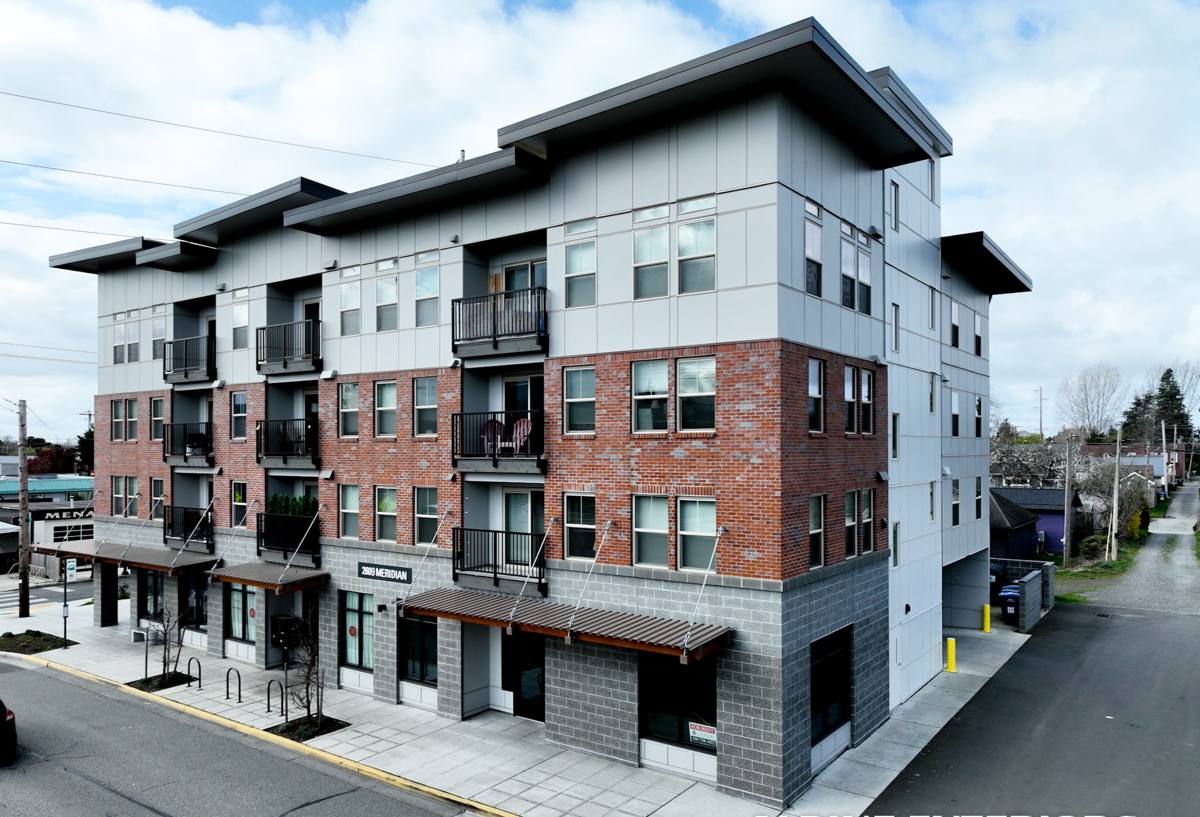
Why Fairhaven's Climate Is Harder on Siding Than It Looks
Fairhaven sits close enough to the water that salt air is a constant, low-grade stressor on every exterior surface — not just siding, but trim, fasteners, and paint film too. Combine that with Whatcom County's wet season, where driving rain can come sideways off the water for days at a time, and you've got two separate problems working on your walls simultaneously: corrosion and moisture intrusion.
Then there's moss. The tree cover and persistent damp common to shaded lots and north-facing walls near Fairhaven create ideal conditions for moss and algae growth on siding, trim, and roof lines. Moss holds moisture against a surface long after the rain has stopped, and on the wrong material that trapped moisture is exactly what starts a slow failure cycle — swelling, softening, paint failure, or in the worst cases rot at the substrate.
What This Means for a Vertical Board & Batten Profile Specifically
Board and batten relies on vertical battens covering the seams between wider boards. Every one of those seams is a potential water path if it isn't detailed correctly, and a poorly flashed batten joint on a home exposed to driving rain will find that water path eventually. The vertical orientation also means water runs down the face of the wall faster than it does on horizontal lap siding — which is good for shedding rain, but only if the underlying water-resistive barrier and flashing details are done right, because there's less overlap protection at each seam than you get with lapped courses.
Why We Only Install James Hardie for This Application
We don't install board and batten in vinyl, LP SmartSide, or primed wood species like spruce or cedar — not because those products don't have a place in the market, but because none of them hold up the way we want a Fairhaven-area home to hold up against salt air and constant moisture without a heavier maintenance commitment than most homeowners want to sign up for.
- Vinyl board and batten is affordable and low-maintenance in the sense that it doesn't need painting, but it's a thin, flexible material that can warp or become brittle with UV and temperature swings, and its seams and channels give moisture places to collect. It also isn't a fire-resistant material.
- LP SmartSide is an engineered wood product with a resin-treated strand substrate. It performs reasonably when installed and maintained to spec, but it's still wood-based, meaning cut edges, fastener heads, and joints need consistent caulking and repainting to keep moisture out over the long run — a maintenance schedule that's harder to stay on top of in a climate this wet.
- Primed spruce or cedar board and batten looks great on day one and can look great for years with diligent upkeep, but raw wood in a salt-air, high-moisture environment demands the most attentive maintenance of any option — regular repainting, caulk inspection, and vigilance against moss holding moisture against the boards.
James Hardie fiber cement is non-combustible, dimensionally stable across wet and dry cycles, and comes with a factory-applied ColorPlus finish that's baked on and warranted against fading and peeling — which matters when the alternative is repainting every few years to keep ahead of the moisture in this area. It won't rot, and moss growing on its surface doesn't threaten the substrate the way it can with wood-based products.
The HardiePanel Vertical Siding System
For board and batten specifically, Hardie's HardiePanel vertical siding paired with HardieTrim battens is the system we install. It's engineered and tested for the kind of wind-driven rain exposure common to Pacific Northwest coastal areas, and it holds paint and factory finish without the swelling or splitting you can get at cut edges on wood-based alternatives.
What a Correct Board & Batten Installation Actually Involves
The panel and batten material only performs as well as the installation behind it. This is where a lot of board and batten jobs — regardless of brand — go wrong, because the profile hides more of the wall assembly than lap siding does and mistakes underneath aren't visible until there's a problem.
The Water Management Layer Comes First
Before any panel goes up, the wall needs a correctly lapped water-resistive barrier, properly integrated window and door flashing, and in most cases a rainscreen or drainage gap behind the siding. In a climate with as much sustained rain as this area sees, that drainage gap isn't optional extra credit — it's what lets any moisture that does get past the cladding actually dry out instead of sitting against the sheathing.
Fastening and Seams
Panels and battens need to be fastened per Hardie's published specifications — correct fastener type, spacing, and embedment depth — and every seam, especially at panel-to-panel joints and around penetrations, needs proper flashing or sealant detailing. Batten placement over the panel seams has to align correctly and be fastened into structural framing, not just into the panel itself.
Clearances That Matter Near the Water
Bottom clearance from grade, decks, patios, and roof lines needs to meet or exceed Hardie's minimums. In a salt-air environment, siding installed too close to grade or hardscape sees more splash-back moisture and airborne salt exposure, which accelerates wear at exactly the spot most homeowners don't check regularly.
- Water-resistive barrier lapped correctly, shingle-style, from the bottom up
- Window and door flashing integrated with the WRB before panels go on
- Rainscreen/drainage gap installed behind the cladding
- Hardie-spec fasteners, spacing, and embedment on every panel and batten
- Properly aligned battens fastened into framing over each panel seam
- Correct clearance from grade, roofing, and decks per manufacturer minimums
- Caulking only where Hardie's details call for it — not as a substitute for correct flashing
How We Approach a Fairhaven Board & Batten Project
Because we work regularly in this area, our process starts with an honest look at what your specific wall assembly is dealing with — sun exposure, tree cover, proximity to the water, and existing moisture or moss issues on the current siding.
| Stage | What Happens | Why It Matters Here |
|---|---|---|
| Assessment | Inspect existing siding, sheathing, and moisture points; check moss and algae exposure on each elevation | North-facing and shaded walls near Fairhaven often need different treatment than sun-exposed elevations |
| Tear-off & sheathing check | Remove old siding, inspect sheathing for hidden rot or moisture damage | Salt air and driving rain can hide damage behind intact-looking siding for years |
| Water management install | WRB, flashing, and rainscreen gap installed to spec | This is the layer that actually determines long-term performance, not the visible panel |
| Panel & batten install | HardiePanel and HardieTrim battens installed per Hardie fastening specs | Correct fastening and seam detailing prevents the water intrusion vertical profiles are prone to |
| Final detailing | Trim, caulking at specified joints, touch-up of any factory finish nicks | Protects the ColorPlus warranty and gives a clean, finished line |
Cost Factors Specific to This Job
Every board and batten quote in this area is shaped by a handful of factors that matter more here than they might elsewhere:
| Factor | Why It Affects Cost |
|---|---|
| Existing wall condition | Sheathing repair from hidden moisture or rot adds labor and material not visible until tear-off |
| Wall height and access | Multi-story or steep-lot homes common near the water require more scaffolding and time |
| Drainage gap installation | Adding a proper rainscreen system is additional labor but is the right call for this rainfall pattern |
| Trim and batten complexity | Homes with more corners, window trim, and architectural detail need more precise batten layout |
| Color and finish | Factory ColorPlus finishes vary slightly in cost by color line but eliminate on-site painting |
We don't publish blanket per-square-foot numbers because these variables genuinely change the scope from one home to the next — an accurate number requires seeing the actual walls.
Maintenance Once It's Installed
One of the real advantages of switching to Hardie board and batten in this climate is how little ongoing work it demands compared to wood-based alternatives. It still needs basic care, though:
- Periodic rinsing to keep salt residue and airborne grime from building up, especially on walls facing the water
- Keeping gutters and downspouts clear so water isn't dumping directly onto siding runs
- Trimming back vegetation and tree limbs that shade walls and extend how long they stay damp after rain
- Addressing moss or algae growth with gentle cleaning rather than pressure-washing directly into seams
- Watching caulked joints over time and having them re-sealed if they show cracking
None of this compares to the repainting and caulk-chasing cycle that wood-based board and batten demands in a climate this wet — which is a big part of why we standardized on Hardie for this exact application.
Why Hiring a Crew That Already Works in This Area Matters
Board and batten installed correctly in a dry inland climate and board and batten installed correctly near Fairhaven aren't the same job, even though the panels look identical once they're up. A crew that hasn't dealt with this area's combination of salt air, sustained wind-driven rain, and moss pressure can get the visible install right and still miss the water-management details that only show their absence two or three winters later. We work in Sudden Valley and the surrounding Whatcom County area regularly, which means we're not guessing at how a given elevation on a given lot is going to perform — we've seen how these conditions play out on homes like yours.
If you're weighing board and batten for a home in the Fairhaven area, we're happy to take a look and give you a straight answer on what your walls need. Reach out for a free, no-pressure estimate — we'll walk the property, explain what we see, and give you a clear picture of the work involved before anything is decided.