 Sudden Valley Siding
 Siding Installation Built for Barkley's Climate
Homes in the Barkley area near Sudden Valley take a different kind of beating than homes twenty miles inland. Whatcom County's marine climate brings salt-tinged air, long stretches of driving rain, and a moss season that can run most of the year on shaded north- and west-facing walls. Siding here isn't just a cosmetic choice — it's the single layer standing between your framing and a climate that never really dries out. Get the installation wrong, or put the wrong product on the wall, and you won't find out until moisture is already inside the sheathing.
This page is about one job, done right, in one area: siding installation for Barkley homes. Not a general overview of siding options, not a sales pitch — a straight explanation of what this climate does to exterior walls, what a correct installation actually requires, and why we've built our process specifically around conditions like these.
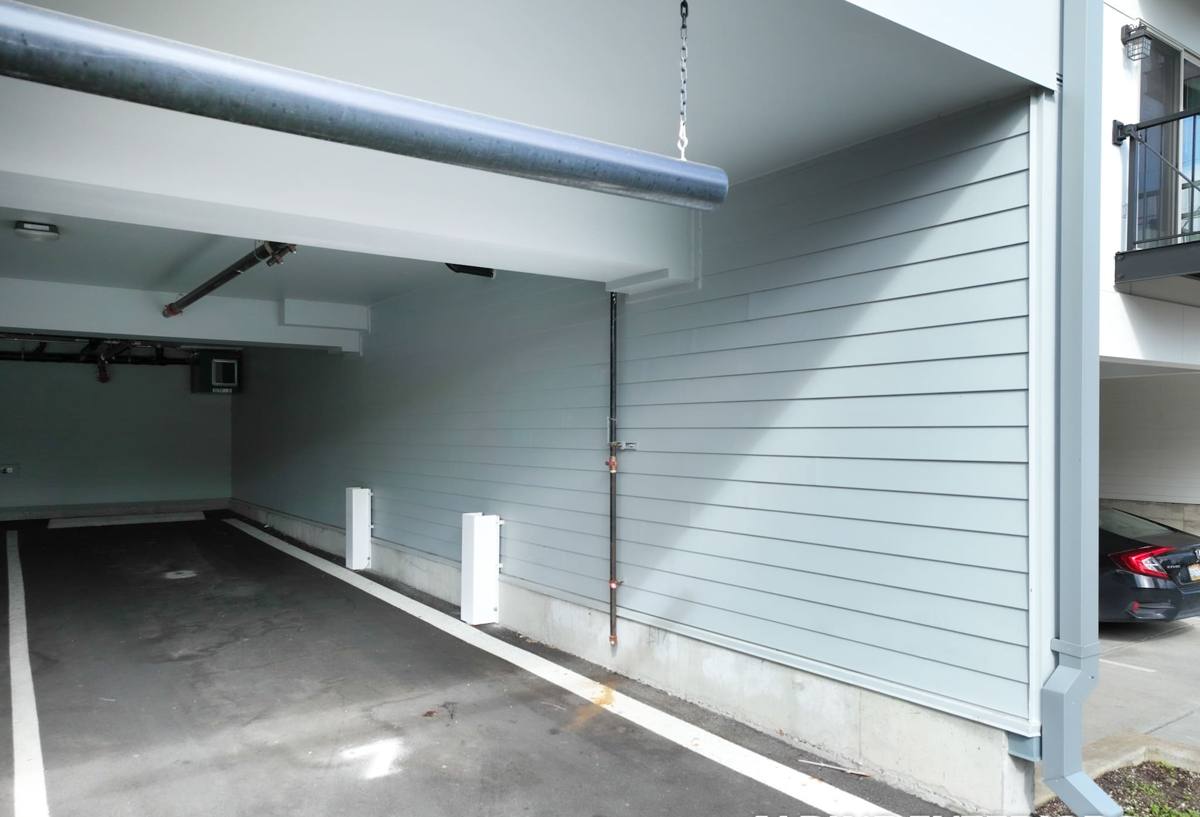
What Whatcom County Weather Does to Siding Over Time
Salt Air and Coastal Moisture
Even homes that aren't waterfront pick up salt-laden air moving through the county, and that air is harder on exterior materials than most homeowners expect. Salt accelerates corrosion on fasteners, trim flashing, and hardware, and it draws moisture into porous or improperly sealed materials. Siding products that rely on paint film or factory primer alone — rather than a finish engineered to resist both moisture and salt exposure — tend to show chalking, fastener staining, and edge swelling years before they should.
Driving Rain and Wind-Driven Water
Rain in this region rarely falls straight down. Wind off the lake and the surrounding terrain pushes rain sideways into wall assemblies, which means siding has to shed water horizontally, not just vertically. Every lap, every butt joint, every penetration for a hose bib or light fixture is a place wind-driven rain can find a way in if the installation doesn't account for it. This is where most siding failures actually start — not with the siding material itself, but with flashing and laps that were installed for a drier climate.
The Long Moss Season
Shaded, north-facing walls near tree cover stay damp for months at a time, and moss and algae take hold anywhere organic buildup has a chance to sit against the surface. On some siding products, sustained moss contact traps moisture against the substrate and slowly breaks down the surface underneath. On others, it's a cosmetic nuisance that washes off without lasting damage. Which category your siding falls into has a lot to do with what it's made of and how it was installed — gaps, tight clearances, and poor drainage behind the cladding all make moss problems worse.
What a Correct Siding Installation Actually Involves
A siding job is only as good as what's underneath it. On every Barkley project, the visible siding is the last of several layers that all have to work together.
Weather-Resistive Barrier and Flashing
Before any siding goes up, the wall needs a continuous, correctly lapped weather-resistive barrier, with flashing integrated at every window, door, deck ledger, and penetration. Flashing has to be sequenced so water always drains outward and downward — never trapped behind a lap or funneled into a seam. This step is invisible once the job is done, which is exactly why it's the step corners get cut on most often.
Fastening and Clearances
Fiber cement siding has specific fastening requirements — nail type, spacing, and penetration depth all affect how the material performs over decades, not just years. Clearance from grade, roof lines, decks, and hardscaping also matters more here than in drier climates, since standing moisture and splash-back are near-constant realities for months at a stretch.
Trim, Caulking, and Finish Details
Corner boards, trim, and caulking joints are where a lot of long-term water intrusion actually starts. We use sealants and joint details rated for the movement and moisture cycling this climate produces, and we keep caulk joints to the places manufacturers actually call for — not as a substitute for correct flashing.
Why We Install Only James Hardie Fiber Cement
We don't install vinyl, LP SmartSide, primed wood, or comparable fiber cement alternatives. That's a deliberate standard, not a limitation in what we're capable of installing. Fiber cement from James Hardie is non-combustible, dimensionally stable in wet-dry cycling, and finished at the factory with ColorPlus technology — a baked-on finish that holds up to UV and moisture exposure far longer than field-applied paint. Hardie's HZ5 product line is engineered specifically for climates with sustained moisture exposure, which describes Whatcom County for a large part of the year.
Wood-based and engineered wood siding products can perform well when maintained aggressively, but they depend on an unbroken paint film and diligent upkeep to resist moisture — a tall order on a shaded Barkley lot with a long moss season. Vinyl is low-maintenance but can warp, fade, and become brittle with age, and it offers no real fire resistance. Hardie's transferable warranty and track record in wet Pacific Northwest climates are why we standardized on it rather than offering a menu of lower-performing options.
Our Installation Process, Start to Finish
- On-site assessment. We walk the home, check current siding and sheathing condition, note trouble spots (shaded walls, grade clearance, past water staining), and measure for materials.
- Tear-off and sheathing check. Old siding comes off and we inspect the sheathing underneath for rot or soft spots before anything new goes up — problems found here get addressed, not covered over.
- Weather barrier and flashing. A new, continuous weather-resistive barrier goes on with correctly lapped flashing at every window, door, and penetration.
- Hardie installation. Panels or lap siding are installed to manufacturer fastening specs, with attention to clearances from grade, roofing, and decks.
- Trim and joint finishing. Corner boards, trim, and caulking are completed to manufacturer detail, using sealants rated for this climate.
- Final walkthrough. We review the finished work with you before calling the job complete.
Signs a Barkley Home Needs New Siding
- Visible cracking, warping, or bowing in existing siding panels
- Soft or spongy spots when you press on the siding near the base of the wall
- Paint that's peeling or blistering repeatedly in the same spots, even after repainting
- Persistent moss or algae growth that returns quickly after cleaning
- Water staining, discoloration, or musty smells on interior walls that back onto exterior siding
- Gaps opening up at seams, corners, or trim boards
- Siding that's original to a home built more than 20-25 years ago and hasn't been inspected recently
Any one of these on its own isn't necessarily an emergency, but a couple together — especially soft spots plus moss regrowth — usually means moisture has already gotten past the surface.
What Siding Installation Costs Depend On
Every home is different, so we don't quote a number until we've seen the walls, but the same handful of factors drive cost on nearly every Barkley project:
| Factor | Why It Matters |
|---|---|
| Home size and wall complexity | More square footage and more corners, gables, and roof lines mean more material and more labor-intensive detail work |
| Condition of existing sheathing | Rot or moisture damage found during tear-off adds repair work before new siding can go on |
| Siding profile chosen | Lap siding, shingle-style panels, and vertical board-and-batten each install differently and carry different material costs |
| Trim and accent detail | Corner boards, window trim, and accent bands add labor even though they're a small share of total wall area |
| Site access | Steep lots, tight setbacks, and limited staging space near the lake and wooded areas can slow installation |
| Tear-off and disposal | Removing and hauling away old siding is priced separately from new material and labor |
As a broad rule, full siding replacement on a typical single-family home runs into the tens of thousands of dollars once material, tear-off, and labor are all accounted for — the only way to get a real number is a walkthrough.
Why Hiring a Crew That Already Works in Barkley Matters
A contractor who regularly works Sudden Valley and the surrounding Whatcom County communities already knows which walls take the worst weather exposure, how moss behaves on shaded lots near the lake, and what flashing details actually hold up here versus in a drier region's standard installation manual. That local pattern recognition shows up in small decisions — where to add extra flashing, which walls need tighter fastening tolerances, how to sequence a job around this area's rain windows — that a crew unfamiliar with the area simply won't think to make.
It also means faster response if something needs a look after the job is done. A local crew isn't driving in from another county for a warranty check or a follow-up question.
Choosing the Right Siding Contractor: A Checklist
- Ask what siding brand and product line they install, and why — a contractor who only offers one system usually has a defensible reason
- Ask how they handle flashing at windows, doors, and deck ledgers specifically
- Ask whether they inspect and repair sheathing during tear-off, or just cover what's there
- Ask for the manufacturer's fastening and clearance specs they follow, not just "industry standard"
- Ask about warranty coverage — both on materials and on their own labor
- Confirm they're licensed, insured, and familiar with projects in your specific area
If a contractor can't answer these clearly and specifically, that's worth noting before you sign anything.
If your Barkley home's siding is showing its age or you're just planning ahead, we're happy to take a look and give you a straight, no-pressure estimate — no obligation, no high-pressure sales pitch, just an honest read on where things stand.